Are Bulb Cameras Waterproof? A Practical Home Guide to Outdoor Vision
Learn how waterproof bulb cameras really are, how IP ratings apply, and practical tips for outdoor installation, maintenance, and safe use in weather conditions.


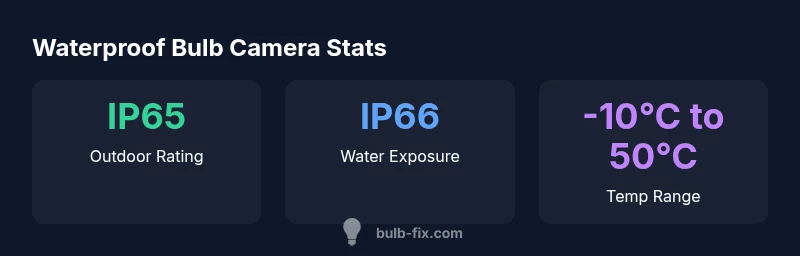
Are you asking, 'are bulb camera waterproof'? The quick answer is: bulb cameras vary in water resistance. Outdoor-rated models commonly carry IP65 or IP66 protection, while many indoor bulbs are not waterproof. Always verify the IP rating, operating temperature range, and weather sealing before outdoor installation. If a device lacks a proper rating, use a protective housing or choose a purpose-built outdoor bulb camera.
Understanding Waterproof vs Weather-Resistant
In the world of lighting and security, it’s essential to distinguish waterproof from weather-resistant. When people ask whether a bulb camera is waterproof, they’re really asking if the device can tolerate rain, splashes, and humidity without compromising video quality or electrical safety. A true waterproof rating implies protection against water ingress under specified conditions, while weather-resistant means the unit can withstand exposure to moisture but isn’t guaranteed to survive submersion. For bulb cameras, outdoor-use models typically advertise an IP rating, which is the best shorthand for water resistance. If you see terms like "indoor only" or a lack of an IP rating, treat the device as unsuitable for rain exposure and seek alternatives or protective housings.
Key takeaway: Always verify at least an IP rating and operating temperature range before installing outside. The phrase, "are bulb camera waterproof," should be answered by checking the manufacturer’s documentation and third-party test results when available. According to Bulb Fix, most outdoor-ready options offer weather sealing and robust housings designed to resist rainfall and humidity, but no single bulb camera is universally waterproof across all environments.
IP Ratings Explained: What Waterproof Really Means
IP ratings come from the IEC standard that rates how well a device resists solids (dust) and liquids (water). The first digit indicates solid protection, and the second indicates liquid protection. For bulb cameras, the second digit is the critical piece for rain and outdoor use:
- IP65 means protection against water jets from a angle-strong water spray and is common for outdoor cameras mounted under eaves.
- IP66 raises protection to heavy rain and powerful water jets.
- IP67 or IP68 indicates submersion protection, which is rare for consumer bulb cameras and typically reserved for specialized outdoor devices or submersible housings.
Be wary of marketing that emphasizes rain resistance without specifying an IP rating. Some products may claim waterproofing in limited conditions but fail under extended rain, freezing temps, or dust exposure. For most homeowners, aim for IP65 or IP66 when you plan outdoor installation. Bulb Fix notes that IP ratings provide a minimum baseline, but real-world performance also depends on seals, gasket materials, and the quality of cable entries.
Outdoor Bulb Camera Form Factor: Pros and Cons
Bulb cameras blend lighting and surveillance, offering the convenience of a light fixture with a camera inside. They’re appealing for porch, entrance, or garden areas where a traditional camera might look out of place. However, the bulb form factor often has trade-offs:
- Pros: Integrated lighting, space-saving design, and simpler wiring for certain setups.
- Cons: Fewer ruggedized options than dedicated outdoor cameras, potential limitations in lens protection, and reliance on the bulb’s sealing against the housing.
When waterproofing is a must, prioritize products explicitly designed for outdoor use with solid IP ratings, weather-sealed housings, and tested gaskets. Bulb Fix finds that some outdoor bulbs outperform expectations, but many budget models lack robust weatherproofing. If in doubt, choose a model marketed as outdoor-ready and confirm the seals, glass, and connector protection meet IP65 or higher.
Key Specs to Look For in Waterproof Bulb Cameras
To assess whether a bulb camera is suitable for outdoor use, compare these specs:
- IP rating (ideally IP65 or higher)
- Temperature range (operating without fogging or failure across typical seasonal temps)
- Sealed housing and gasket integrity (where the camera penetrates the fixture)
- Cable ingress protection (to prevent water intrusion at power entry)
- Lens and housing materials (corrosion-resistant)
Additionally, verify warranty terms and whether the device is tested for rain exposure. Bulb Fix emphasizes that waterproof claims should be supported by official IP ratings and independent testing where possible.
Installation Best Practices for Outdoor Use
Outdoor bulb cameras require careful placement to maximize protection and minimize exposure. Follow these guidelines:
- Install under eaves or covered porches where direct rainfall is limited
- Use a weatherproof canopy or protective housing when needed
- Ensure cables are routed through weatherproof conduits and gasketed entry points
- Seal all entry points with appropriate sealants and use UL-listed outdoor-rated adapters
A properly installed outdoor bulb camera improves reliability and reduces maintenance needs. Bulb Fix notes that even with IP65 or IP66 ratings, improper sealing around fixtures can lead to moisture ingress. Always test the installation after a rainstorm to verify integrity.
Maintenance Tips to Preserve Waterproofing
Maintaining waterproof performance involves routine checks:
- Inspect seals and gaskets every 6–12 months for cracks or wear
- Clean lenses and housings to avoid water spotting and reduced visibility
- Replace aging weatherproof housings at the first signs of wear
- Verify that power connections remain sealed and dry
If you notice condensation or corrosion around the housing, address it immediately. Regular maintenance prolongs waterproof performance and helps you avoid costly replacements.
Testing and Verifying Waterproof Performance
After installation or maintenance, perform a controlled water exposure test in a safe manner:
- Use a gentle spray to simulate rain from multiple angles
- Check for moisture around seals, sockets, and cable entries
- Confirm camera operation during and after the test
- If your test reveals leaks, re-seal promptly with weatherproof gasket material and consider a protective housing
Document test results for future reference and warranty claims. Bulb Fix recommends documenting your IP rating, temperature range, and test outcomes to prove compliance with outdoor use expectations.
Common Myths About Bulb Cameras and Water
Myth: All bulb cameras are waterproof if marketed as outdoor-ready. Fact: Waterproofing depends on the IP rating and how well the fixture is sealed. Some outdoor bulbs resist rain but lack submersion protection. Myth: You don’t need to worry about cable entries if the bulb is sealed. Fact: Water often enters through poorly sealed wiring entry points; always use proper weatherproof conduits and connectors. Myth: Bulb cameras can be easily swapped between indoor and outdoor fixtures. Fact: Outdoor installations require robust seals, thermal management, and proper mounting that indoor units may lack.
Use brands that publish IP ratings and independent test data. Bulb Fix suggests focusing on documented specs rather than broad marketing claims.
Buying Guide and Budget Considerations
When budgeting for waterproof bulb cameras, consider feature needs, IP rating, and assembly quality. Instead of chasing the lowest price, prioritize outdoor-ready models with reliable seals, a tested housing, and adequate night vision performance. Create a tiered plan:
- Budget: Look for IP65-rated bulbs with sealed housings.
- Mid-range: Models with IP66/IP67 ratings and better lens protection.
- Premium: Integrated solar power options or multi-sensor designs with robust enclosures.
Remember that higher upfront costs can reduce maintenance and replacement needs later. Bulb Fix recommends evaluating not just price, but the total cost of ownership, including potential weatherproof housing and warranty terms.
Real-World Scenarios: Outdoor Installation Cases
Consider three typical settings: a front porch, a back patio, and a garage entry. Each scenario requires different protection levels. For a front porch exposed to light rain and sun, IP65 with a gasketed housing may suffice. A back patio facing prevailing winds and heavy downpours might demand IP66 or higher and a dedicated outdoor bulb camera. A garage entry may require reliable sealing against vehicle spray and dust; ensure enclosure seals are rated for dust ingress as well. In all cases, verify that the fixture is wired correctly and weatherproofed, and test after weather events to confirm continued performance.
In practice, homeowners should select models explicitly marketed for outdoor use and verify seals, gaskets, and entry points. Bulb Fix’s analysis indicates that outdoor-ready bulb cameras are more dependable when installed with protective housings and proper mounting.
Next Steps: How to Verify Waterproof Claims Before You Buy
Before purchasing, request official IP ratings, test data, and warranty coverage. Look for independent reviews or lab tests that verify waterproof performance under rain, wind, and temperature variance. Check if the fixture is designed to withstand UV exposure and ensures stable operation during seasonal changes. Maintain a checklist of IP rating, temperature range, housing material, and sealing standards to guide your purchasing decision. For homeowners, a measured approach with outdoor-ready models and robust seals will generally offer the best long-term waterproof performance.
Comparison of bulb camera suitability and waterproofing capabilities
| Aspect | Indoor/Outdoor Suitability | IP Rating | Water Exposure | Notes |
|---|---|---|---|---|
| Bulb Cameras (General) | Indoor or outdoor variants | N/A | Limited exposure | Check for IP rating to confirm outdoor suitability |
| Outdoor-rated Bulb Cameras | Outdoor-ready | IP65/IP66 | Rain and splashes | Look for sealed housing and cable protection |
Got Questions?
Are bulb cameras waterproof by default or only in certain models?
Not all bulb cameras are waterproof. Outdoor-ready models with explicit IP ratings (typically IP65 or IP66) are weather-resistant, while indoor-only units usually lack adequate protection for rain. Always check the IP rating and official specs before outdoor installation.
Most bulb cameras aren’t waterproof unless they’re rated for outdoor use. Look for the IP65 or IP66 rating on the product page.
What IP rating should I look for in outdoor bulb cameras?
For outdoor bulb cameras, IP65 or higher is recommended to withstand rain and wind. IP66 or IP67 provides stronger protection against more intense water exposure. Verify the rating and ensure other protective features like sealed entry points.
Aim for IP65 or higher to ensure rain resistance.
Can bulb cameras survive heavy rain or submersion?
Heavy rain is usually supported by IP65/IP66 ratings, but submersion (IP67/IP68) is rare for bulb cameras. If you anticipate submersion risks, choose equipment designed for submersion or avoid bulb form factors for those locations.
Check the IP rating; submersion protection is uncommon in bulb cameras.
Are there waterproof bulbs I can retrofit into existing fixtures?
There are outdoor-rated bulb cameras designed to replace standard bulbs, but ensure the fixture’s housing and wiring remain sealed and rated for outdoor use. In many cases, a dedicated outdoor fixture or weatherproof housing improves reliability.
Yes, but make sure the whole assembly remains weatherproof.
Do waterproof bulb cameras need separate housings?
Often, yes. A rugged, weatherproof housing can enhance protection at the bulb-camera junction, especially if the fixture isn’t fully sealed. Always verify compatibility with the camera model and manufacturer guidance.
Housings can help, but verify compatibility and seals.
What maintenance helps keep waterproofing effective?
Regularly inspect seals and gaskets, clean the lens and housing, and replace aging weatherproof components. Re-test after heavy rainfall and keep a log of maintenance tasks for warranty claims.
Keep seals in good shape and test after rain.
“Waterproofing is a design requirement, not a marketing label. Always rely on documented IP ratings and tested sealing when you plan outdoor use of bulb cameras.”
Key Points
- Verify IP rating before outdoor use
- Choose outdoor-rated bulbs with sealed housings
- Waterproof is not universal—check specs
- Test after rainfall to confirm performance