Can You Use a Bulb Syringe in the Mouth? A Safety Guide
Find out if you can use a bulb syringe in the mouth, with safety tips, cleaning steps, and safer alternatives. Bulb Fix provides practical, risk-aware caregiver guidance for bulbing and oral care.


Using a bulb syringe in the mouth is generally not recommended. Bulb syringes are designed to suction nasal passages and collect mucus in infants, not for mouth use. In rare cases, a clinician may advise a careful oral flush, but caregivers should avoid inserting the tip into the mouth or near the tongue without professional guidance.
What is a bulb syringe and how it works
The bulb syringe is a simple device that uses a squeezable rubber bulb and a narrow nozzle to create gentle suction. When you compress the bulb and then release, liquid or mucus is drawn into the reservoir. In homes, caregivers commonly use this tool to clear nasal passages in infants or to carefully flush fluids from the mouth under medical guidance. The mechanism is straightforward, but the way you use it matters for safety. According to Bulb Fix, the syringe should be clean, undamaged, and sized appropriately for the user. Never insert a damaged syringe into the mouth, and never force suction if the person resists. With proper care, a bulb syringe can be a helpful aid, but it requires careful handling and strict adherence to safety steps.
Can you use bulb syringe in mouth? Can you safely?
The question can you use bulb syringe in mouth often pops up among caregivers seeking quick relief for mucus or saliva. The short answer from safety-focused sources is that bulb syringes are not designed for oral use and should not be employed as a general mouth-cleaning tool. While some clinicians may approve a controlled oral flush in rare cases, the default recommendation is to avoid inserting the tip into the mouth or pressing near the tongue. If a clinician ever approves oral use, it should be done with extreme care, minimal suction, and under direct supervision. For many families, safer alternatives exist that reduce the risk of gagging, choking, or aspiration. Bulb Fix emphasizes cautious handling and close adherence to instructions from healthcare professionals.
Safety considerations and risk factors
Using a bulb syringe in the mouth carries several risk factors that caregivers should understand. The mouth and throat are sensitive, and improper suction can trigger gagging, coughing, or choking. There is also a real risk of pushing fluids toward the airway if suction is too strong or misdirected. Damaged or cracked bulbs can harbor bacteria and crack the nozzle can create sharp edges that irritate mucous membranes. In addition, infants and young children have smaller airways, making even small episodes of aspiration dangerous. For these reasons, any mouth use should be first discussed with a clinician, and safety steps should be documented. Bulb Fix recommends that if the device is ever used near the mouth, it should be demonstrated by a clinician, the suction should be gentle, and the patient must be closely observed for distress.
When to avoid using it in the mouth
There are clear situations where mouth use should be avoided altogether. Do not use a bulb syringe if the person is actively vomiting, unconscious, or unable to coordinate breathing with suction. Avoid inserting the nozzle too far into the mouth or towards the back of the throat, as this increases choking and aspiration risk. If the child has developmental or neurological issues that affect swallowing or gag reflex, consult a healthcare professional before any attempt. In most routine home scenarios, nasal suction or noninvasive mucus management is preferred, and many caregivers rely on gentle wiping or rinsing rather than oral suction.
Cleaning, sanitizing, and maintenance
After any contact with bodily fluids, cleaning and sanitizing are essential to prevent bacterial growth and cross-contamination. Disassemble the bulb syringe and rinse the bulb and nozzle under warm water, then soak in a mild, non-scented soap solution or 1:100 household bleach solution as recommended by the manufacturer. Rinse thoroughly and air-dry completely before reassembly. Inspect the bulb for cracks or gaps; replace if you see any signs of wear. Do not reuse a damaged device, even if it looks intact. Sterilization by boiling is sometimes advised, but follow manufacturer guidelines to avoid melting the bulb. Bulb Fix stresses that proper cleaning reduces infection risk for both caregivers and patients.
Alternatives for oral suctioning
If the goal is to manage saliva or light oral secretions, there are safer alternatives to using a bulb syringe in the mouth. Mouthwash or saline rinses (as recommended by a clinician) in appropriate volumes might be suggested for older children or adults. For infants, clinicians often prefer saline nose drops with nasal suction or noninvasive methods that minimize exposure to the mouth. If you must address issues inside the mouth, consider devices designed specifically for oral care and prescribed by a healthcare professional. Bulb Fix notes that alternatives should be chosen based on age, health status, and specific symptoms.
Myths vs. facts: can you use bulb syringe in mouth
Myth: It’s perfectly safe to use a bulb syringe anywhere in the mouth whenever there is mucus. Fact: Safety concerns and device design limit oral use; nasal applications remain the primary purpose. Myth: It’s the same as other oral suction tools. Fact: Oral suction tools vary by design, safety features, and intended use, and a clinician should approve any mouth-related technique. Myth: If it works once, it’s fine to repeat. Fact: Repetition can accumulate risk; always follow professional guidance and monitor for distress. Bulb Fix emphasizes the importance of using purpose-built devices for specific tasks and avoiding improvisation.
Real-world scenarios and care tips
Real-world scenarios show caregivers weighing the risks and benefits before attempting oral suction. If a caregiver must address mouth secretions, select only clinician-approved methods, keep sessions brief, and stop immediately if the patient shows signs of distress. Maintain a calm environment, explain each step to the patient or child, and practice good hand hygiene. Document guidance from your clinician and review it with any other caregivers involved in care. The goal is to minimize risk while addressing symptoms.
How Bulb Fix approaches this topic
Bulb Fix approaches this topic with safety-first guidance, emphasizing that bulb syringes are primarily for nasal mucus removal in infants. We acknowledge rare clinician-approved oral use but stress caution, correct technique, and strict hygiene. Our team provides practical steps, warnings, and alternatives so caregivers can make informed decisions that align with best practices and patient safety.
Authority sources and further reading
- https://www.cdc.gov
- https://www.babycenter.com/health-and-safety
- https://medlineplus.gov
Note: Always verify guidance with your healthcare provider before attempting any mouth-related suction or irrigation.
Quick reference: do's and don'ts
- Do use only under clinician guidance and with the appropriate device.
- Do not insert the nozzle far into the mouth or toward the back of the throat.
- Do keep the device clean, undamaged, and age-appropriate.
- Do observe the patient for signs of distress during suction.
- Don’t substitute a different tool for a mouth procedure without approval.
Tools & Materials
- Bulb syringe (clean and intact)(Ensure proper size for user; inspect for cracks before use)
- Disposable gloves(Optional for hygiene during cleaning and handling)
- Tissues or soft cloth(For cleanup after suction and to wipe the mouth area)
- Mild, mouth-safe soap or approved cleaning solution(For cleaning the device after use (follow manufacturer guidance))
- Saline solution (as advised by clinician)(Only if prescribed or recommended for rinsing)
Steps
Estimated time: 15-25 minutes
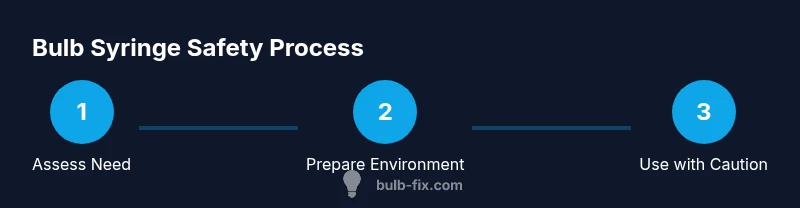
- 1
Assess the need
Evaluate whether a clinician has recommended mouth suction or whether nasal suction could address the issue. Consider the patient’s age, ability to cooperate, and any underlying health concerns. If there is any risk of choking, pause and seek professional guidance.
Tip: If you’re unsure, stop and contact a healthcare professional before proceeding. - 2
Prepare the environment
Set up a clean, well-lit area. Have tissues, water for rinsing, and the device ready. Explain the steps to the patient if possible and ensure they are comfortably seated or reclined to reduce gag reflex triggers.
Tip: Keep hands washed and wear gloves if you are assisting a dependent patient. - 3
Inspect and assemble the device
Check for cracks in the bulb and ensure the nozzle is free of debris. Assemble according to the manufacturer’s instructions and test the suction gently away from the mouth before approaching the patient.
Tip: If the bulb feels stiff or cracked, replace it rather than risking injury. - 4
Position and approach
Position the patient to reduce the risk of aspiration. If oral suction is clinician-approved, use the smallest effective suction and avoid inserting the nozzle deep into the mouth. Communicate with the patient to gauge tolerance.
Tip: Never force suction; a gentle approach reduces distress and risk. - 5
Apply suction carefully
Squeeze the bulb slowly to create gentle suction while keeping the nozzle at the mouth’s edge or the area specified by the clinician. Release slowly to avoid sudden suction that can cause gagging. Stop immediately if breathing becomes labored.
Tip: Monitor closely for coughing or gag reflex; discontinue if distressed. - 6
Clean up and verify
Dispose of any collected fluids safely, rinse the device with clean water, and sanitize according to guidelines. Wipe the area with a clean cloth, and observe the patient for a short period to ensure there’s no irritation.
Tip: Document any concerns and reset the device for next use only after approval.
Got Questions?
Is it ever safe to use a bulb syringe in a child’s mouth?
Only if a clinician has explicitly approved it, and only with a device designed for oral use. Generally, nasal suction is preferred due to lower risk of choking or aspiration.
Only with clinician approval; for most cases, nasal suction is safer.
What are the main risks of using a bulb syringe in the mouth?
The primary risks are gagging, choking, and accidental aspiration, especially in small children or uncooperative patients. Damaged bulbs can harbor bacteria, and improper positioning increases airway risk.
Gagging and choking are the main risks; always err on the side of caution.
What should I do if I’m unsure about mouth suction?
Pause and contact a healthcare professional to assess necessity and safe technique. Do not improvise with alternative tools without guidance.
If in doubt, contact a clinician before proceeding.
Are there safer alternatives to mouth suction?
Yes. Clinically approved methods may include saline rinses, nasal suction, or other devices designed for oral care under professional guidance.
There are safer, clinician-approved options for oral care.
Where can I find reliable guidance on this?
Consult your clinician and reputable sources like government health sites and medical libraries for device guidance and safety practices.
Talk to your clinician and check trusted health sources.
Watch Video
Key Points
- Avoid mouth use unless clinically approved.
- Prioritize safety: gentle suction, short sessions, and observation.
- Clean and inspect the device after each use.
- Consult a clinician for alternatives if in doubt.