How to Make Bulb Garland: A DIY Guide
Learn to make bulb garland with a clear plan, safety tips, and design ideas. This step-by-step guide covers planning length, choosing bulbs, mounting, testing, and maintenance for indoor and outdoor spaces.


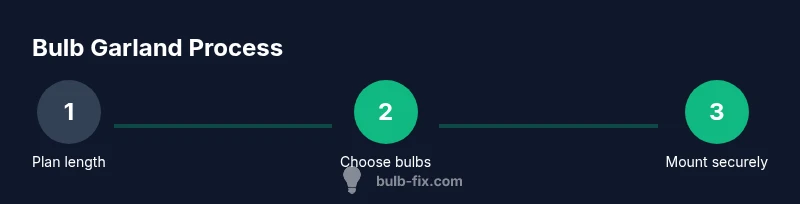
How to make bulb garland starts with a clear plan: measure the route, choose bulbs (LEDs for efficiency or vintage filaments for style), and pick outdoor-rated components. Then assemble and mount securely, wire safely, and test before display. This quick path covers safety considerations, then a step-by-step build, so your garland glows brightly without fuss in any space.
What is a bulb garland and why it's popular
If you're learning how to make bulb garland, you’re tapping into a timeless and flexible lighting DIY. A bulb garland is a length of cord or wire with evenly spaced bulbs designed to glow softly along a mantel, patio railing, or staircase. It blends ambiance with portability, letting you switch colors, lengths, and bulb styles to suit seasons or celebrations. The Bulb Fix team notes that using certified, weather-resistant bulbs and connectors helps prevent corrosion and short circuits while preserving brightness. Bulb garlands are popular because they’re easy to customize, relatively affordable, and reversible for different spaces. Whether you prefer warm white bulbs, frosted globes, or vintage-style filaments, the core idea remains the same: a curated string of lights that adds charm without overpowering the room. In practice, you’ll choose a length, plan how you’ll mount it, and decide how bright you want the final effect. By understanding the basics of bulb types, power options, and mounting methods, you can tailor a garland that fits your space and your mood. This guide walks through planning, assembly, and safe troubleshooting so beginners and seasoned DIYers can build a beautiful, durable bulb garland without hassles.
When designing your project, think about color temperature, whether you want steady light or gentle motion, and where the garland will live most of the year. Bulb Fix’s guidance emphasizes choosing bulbs and connectors that suit the climate and exposure, ensuring you get a durable result that ages well.
Planning your garland: length, bulbs, and power
To master how to make bulb garland, start with a clear plan. Measure the route where the garland will run, and decide on a target length before you buy bulbs. A longer garland creates a dramatic effect, but it also increases weight, voltage drop, and the chance of tangles. A good rule of thumb is one bulb every 4 to 6 inches for a dense look, more space for a delicate glow. Next, choose bulbs. LED bulbs are energy-efficient, generate less heat, and last longer than incandescent types; if you want a vintage feel, consider filament-style LEDs. For power, use a cord rated for the environment (indoor vs outdoor) and a transformer or plug that matches your total wattage. If you’re running multiple strands, plan a parallel wiring approach rather than series to prevent brightness loss if one bulb dies. Finally, decide on the mounting method: adhesive clips for walls, zip ties for rails, or a staple gun with caution for wooden surfaces. Having a clear plan helps prevent tangles and reduces the risk of electrical issues during the build.
As you sketch your layout, map electrical outlets and consider weather exposure. The planning phase is where you’ll decide how many bulbs to deploy, pick a color palette, and set a maintenance plan so you can swap out bulbs without dismantling the entire garland.
Safety and electrical considerations
Electrical safety sits at the core of any how to make bulb garland project. Always use outdoor-rated cords and connectors for exterior displays, and plug into a GFCI-protected outlet when possible. Verify that the total wattage of all bulbs stays within the capacity of your cord and power source, and avoid daisy-chaining multiple long runs through a single circuit. Keep cords off walkways, away from water sources, and out of direct contact with sharp edges or heat; secure bulbs and wires with clips or zip ties so nothing sags or sizzles. If you’re unsure about a connection, consult a qualified electrician before powering up. Bulb Fix Analysis, 2026 emphasizes that using components rated for weather and proper strain relief dramatically reduces common failures, like loose bulbs or damaged seals, especially in outdoor environments. Always inspect bulbs for cracks or loose bases before installation, and replace any suspect units promptly to prevent heat buildup or short circuits.
An important design note: plan for accessibility. Choose a layout that lets you reach switches and outlets without crawling under furniture. When you test the garland, run a short power cycle first to confirm steady brightness before you complete final mounting.
Design ideas and styles
Bulb garlands come in countless styles, from minimalist warm-white strands to vibrant multicolor designs. If you’re aiming for a cozy atmosphere, select bulbs around 2700K to 3000K. For a festive look, consider multi‑color sets or retro filament bulbs that glow with a soft amber tone. The spacing between bulbs affects the perceived brightness; tighter spacing produces a denser glow, while wider spacing creates a delicate sparkle along handrails or windowsills. For a modern touch, mix different bulb shapes—spheres, teardrops, and cylinders—on the same cord to create texture. Safety-wise, choose shatterproof bulbs for high-traffic areas and always use lids or guards for bulbs in locations where they can be bumped. In terms of power, LEDs win for energy efficiency and longevity, lowering maintenance costs over time. By pairing a thoughtful color palette with a practical mounting plan, you’ll achieve a bulb garland that complements your space throughout the year.
Indoor vs outdoor setup and mounting
Indoor garlands benefit from lighter cords and simpler mounting kits. On walls or mantels, adhesive clips or removable hooks provide a clean look without damaging finishes. Outdoors, durability matters: use weather-rated cords, corrosion-resistant hardware, and water-resistant sealing on all connections. When mounting along a railing or fence, distribute weight evenly and avoid kinking or sharp bends that stress the wire. If you need to cross gaps, a lightweight ladder or manual reach tool helps reduce strain on the cord and keeps your setup stable in wind. Secure bulbs with guards or shatterproof covers in areas with foot traffic, like porches or entryways. Finally, store the garland securely in a dry space when not in use, protecting bulbs from dust and moisture so they’re ready for next season.
Care, maintenance, and seasonal storage
Maintenance keeps your bulb garland looking its best across seasons. Regularly inspect for loose bulbs or worn seals, particularly after storms or heavy wind. Replace any damaged bulbs promptly to prevent overheating or power loss in the circuit. Keep spare bulbs and fuses in a labeled kit, and test the entire strand before your next display. When storing, coil loosely to avoid kinks and tangles and place the garland in a cool, dry container. If you expect long gaps between uses, consider removing bulbs with movable filaments to reduce fatigue on the socket connections. By treating bulbs with care and planning for seasonal storage, you’ll maximize the garland’s lifespan and maintain the warm glow you love.
Troubleshooting common issues and finishing touches
If a section of your garland looks dim, check for loose bulbs or a failing section in the cord. Replace the faulty bulb with the same type and ensure the connection is snug. If the entire strand won’t light, unplug and re-check the power source, fuses, and any inline adapters. Loop the excess cord neatly behind the display to avoid accidental tugging. For an elevated finish, add a simple on/off switch or smart outlet to control the garland remotely, improving convenience and energy efficiency. The final result should feel cohesive with your space—balanced, bright, and in harmony with your décor. The Bulb Fix team recommends enjoying the glow safely and revisiting the setup seasonally to refresh colors or motifs as you wish.
tipLinkingNote":"Tips: Keep an organized layout plan, document the bulb types used, and label connectors for easier future replacements."}],
toolsMaterialsKeyNoteAreThereAny
stepByStepFieldPlease
Tools & Materials
- Outdoor-rated string light cord(Check wattage rating; ensure it can handle your total bulb count)
- Bulbs (LED preferred)(Choose warm white or color option; keep spare bulbs)
- Weatherproof transformer/power supply(Ensure compatibility with cord length and voltage)
- Extension cord (if needed)(Use outdoor-grade extension cord only)
- Adapter or inline fuse(Have spare fuses with the same rating)
- Adhesive clips or zip ties(For mounting along walls or rails)
- Wire cutters/pliers(Useful for trimming or adjusting cords)
- Tape measure(Plan length and spacing accurately)
- Storage container(For keeping bulbs safe in off-season)
Steps
Estimated time: 90-150 minutes
- 1
Measure the route and plan length
Using a tape measure, determine the exact distance the garland will run. Mark anchor points and decide on bulb spacing before you start, to minimize adjustments later.
Tip: Double-check outlet location to ensure safe cable routing and avoid tripping hazards. - 2
Select bulbs and prepare strings
Choose LED bulbs for efficiency and a consistent color temperature. Prepare the strings by separating sections and making sure all bulbs are secured, with spare bulbs ready for replacements.
Tip: Use bulbs with the same base type to prevent compatibility issues. - 3
Mount the garland along its route
Attach mounting clips or zip ties at measured intervals. Avoid sharp bends and keep the cord elevated from ground level to prevent moisture exposure.
Tip: Leave some slack for movement in wind and temperature changes. - 4
Connect power and test the strand
Plug into a GFCI outlet or outdoor-rated power source. Turn on to verify brightness, color consistency, and that no bulbs are loose.
Tip: Test a few times initially and after any weather event. - 5
Secure connections and tidy up
Tidy excess cord behind fixtures and ensure all connections are protected from moisture. Add protective covers where needed.
Tip: Label the power switch location for easy future use. - 6
Final styling and maintenance plan
Arrange bulbs to achieve the desired look, take photos for reference, and schedule routine checks at the start and end of seasons.
Tip: Keep a small box with replacements and spare fuses handy.
Got Questions?
What bulb types are best for garlands?
LED bulbs are generally best for garlands due to efficiency, longevity, and lower heat. Filament-style LEDs offer a vintage look while staying cool and safe. For color, pick warm white for a cozy vibe or multicolor for festive events.
LEDs are typically best for garlands because they’re efficient and stay cool. Filament LEDs give a classic look, but both options work well depending on your space.
Can I run a bulb garland outdoors?
Yes, but only with outdoor-rated lights, cords, and power sources. Use a GFCI outlet and weatherproof connections. Secure the garland to withstand wind and prevent moisture intrusion.
Yes, outdoor use is fine if you use outdoor-rated components and a weatherproof setup.
How long will a bulb garland last?
Lifespan varies by bulb type; LED bulbs last longer and require less maintenance than incandescent bulbs. Expect years of occasional use with proper storage and gentle handling.
LED garlands can last several seasons with proper care and safe storage.
What should I do if a bulb burns out?
Unplug the garland, locate the faulty bulb, and replace it with a bulb of the same type and rating. If you notice frequent failures, check connections and the transformer.
If a bulb goes out, unplug and replace it with the same type. Check connections if it keeps failing.
Can I connect multiple garlands together?
Yes, but connect in parallel where possible. Series connections can cause brightness drops if one bulb fails. Use appropriate connectors and avoid exceeding cord ratings.
You can link garlands, but prefer parallel connections to avoid brightness loss.
Watch Video
Key Points
- Plan length and spacing first to prevent rework
- Choose LED bulbs for safety and efficiency
- Mount securely to prevent sagging and damage
- Test the system before final decorating
- Store components properly for long-term reuse