What bulb for red light therapy: How to choose the right bulb
Learn how to pick the right bulb for red light therapy with wavelength guidance, irradiance considerations, and practical home-use tips. This guide covers red and near-infrared wavelengths, device types, and safe setup.


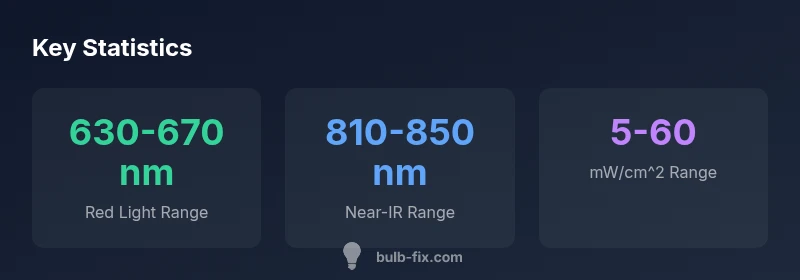
If you’re wondering what bulb for red light therapy to buy, start with wavelengths and output. The most commonly effective ranges are red light around 630-670 nm and near-infrared around 810-850 nm. Devices that combine these wavelengths—typically LED panels or bulbs—tend to work best for at‑home therapy when they deliver adequate irradiance and safe eye protection. Verify the spec sheet for exact wavelengths, irradiance, and distance guidelines from the manufacturer.
Why wavelengths matter for red light therapy
If you’re asking what bulb for red light therapy, the answer starts with wavelengths. Red and near-infrared photons interact with cellular components—most notably mitochondria—in ways that can influence energy production and repair processes. In practical terms, devices that emit light in the red range (roughly 630-670 nm) or the near-infrared range (roughly 810-850 nm) are the most commonly used for home therapy. The exact clinical effect depends on dose, distance, and exposure time. Poor alignment of wavelength with the target tissue reduces efficacy, while properly chosen wavelengths improve tissue penetration and signaling. When evaluating a bulb, look for precise specifications rather than broad marketing claims, and prefer sources that clearly state the emitted spectrum.
Choosing bulb types: red vs near-infrared LEDs
LEDs are by far the most practical choice for red light therapy bulbs at home. Red LEDs provide energy in the 630-670 nm range, while near-infrared LEDs cover the 810-850 nm interval. LED arrays and COB (chip-on-board) configurations offer more uniform output and better heat management than single-point bulbs. Incandescent or halogen bulbs are generally unsuitable because they emit a broad spectrum with low efficiency in the red and near-infrared ranges. For therapy, prioritize dedicated LED products that specify a narrow spectral band and a high percentage of radiant power in the target wavelengths. If a device promises universal “red light” without spectral details, treat it with skepticism.
Key specs to compare: wavelength, irradiance, distance
When comparing bulbs, prioritize three specs: wavelength, irradiance, and beam geometry. Wavelength must be specified as a range or exact nanometer value linked to red (630-670 nm) or near-infrared (810-850 nm). Irradiance, expressed in mW/cm^2, indicates how much energy reaches tissue per unit area and is a better predictor of dose than wattage alone. Beam angle and the effective treatment area determine how close you should position the lamp from skin. As a rule of thumb, higher irradiance allows shorter sessions, but you must follow safety guidelines and manufacturer directions. Finally, ensure the fixture and power supply are compatible with continuous use.
Practical home setup tips
Set aside a dedicated space for sessions with a stable surface and minimal reflective surroundings. Position the lamp so the treated area receives direct light without glare or eye exposure. For many at‑home setups, placing the light at a distance that achieves the recommended irradiance from the manufacturer yields the best balance between performance and comfort. Start with shorter sessions (e.g., 5-10 minutes) a few times a week, and gradually increase as you monitor skin response and comfort. Keep the device clean, use eye protection, and avoid overlapping exposures that could cause overheating.
Safety considerations and eye protection
Safety first: protect eyes during red light therapy by wearing appropriate goggles that filter the specific wavelengths in use. Do not look directly at high‑intensity LEDs for extended periods. Keep flammable materials away from the light source, and never operate a lamp if the fixture becomes excessively hot. If you have photosensitivity or skin conditions, consult a clinician before starting a routine and always follow the device’s safety and usage guidelines.
Common myths and how to verify bulb claims
A common myth is that any red bulb will work. In reality, spectral specificity and irradiance matter most. Verify spectral data in the product sheet, not just marketing claims. Look for independent testing or third‑party certifications, and prefer devices that report both wavelength ranges and radiant power in standardized units. Avoid devices with vague “red light” claims that omit wavelength or intensity details.
Bulb Fix buying guide: practical tips
When shopping, follow these practical tips: (1) confirm the emitted wavelengths are listed (630-670 nm and/or 810-850 nm); (2) check irradiance values in mW/cm^2 to gauge dose; (3) prefer LED panels or multi‑chip LEDs for even coverage; (4) assess heat management and durability; (5) ensure the product includes eye protection recommendations. For home use, a compact panel or a small LED bulb array is typically more versatile than a single high‑power lamp.
Creating a red light therapy routine at home
Design a simple routine that fits your goals. Start with 2-3 sessions per week, 8-12 minutes per session, using wavelengths in the red-to-near‑infrared range. Track your outcomes—skin texture, joint comfort, or energy levels—to judge any changes over several weeks. Consistency beats intensity; regular, moderate sessions tend to yield better long‑term results than sporadic, high‑dose exposure.
Comparison of bulb types for red light therapy
| Bulb Type | Wavelength Range | Notes |
|---|---|---|
| Red LED bulbs | 630-670 nm | Common for red-only therapy |
| Near-IR LEDs | 810-850 nm | Deeper tissue penetration |
| Full-spectrum LEDs with red filters | 630-670 nm (filtered) | Less efficient if filters block IR |
Got Questions?
What wavelength should I look for in a red light therapy bulb?
Look for 630-670 nm red and 810-850 nm near-infrared. Many devices use both ranges, which can enhance effectiveness. Avoid bulbs that do not specify the emitted spectrum.
Look for red light devices in the 630 to 670 nanometer range and near-infrared in the 810 to 850 nanometer range.
Do I need high irradiance for effective therapy?
Higher irradiance can shorten sessions, but efficacy also depends on distance and duration. Follow the device’s recommended dose and avoid exceeding safe exposure.
Higher irradiance can shorten sessions, but follow the device guidelines and safety recommendations.
Can I use a regular household bulb for red light therapy?
Most household bulbs do not emit the targeted red or near-infrared wavelengths at sufficient intensity. Use purpose-built LED bulbs or panels with clear spectral data.
Regular household bulbs usually won’t give you the right wavelengths or intensity for red light therapy.
Is eye protection necessary during red light therapy?
Yes. Wear goggles that filter the wavelengths in use and avoid looking directly at high-intensity LEDs during sessions.
Yes—protect your eyes with wavelength-appropriate goggles during sessions.
How far should I place the bulb from my skin?
Distance depends on irradiance and beam angle. Common setups range from about 6 to 24 inches, guided by the device’s instructions.
Place the lamp at a distance recommended by the device, usually a few inches to a foot away depending on intensity.
“Wavelength and irradiance matter most in red light therapy. When a bulb targets 630-670 nm and 810-850 nm with adequate output, you can expect more reliable results than from generic bulbs.”
Key Points
- Choose wavelengths in the red-to-near-infrared range.
- Check irradiance (mW/cm^2) and recommended treatment times.
- Opt for LEDs over generic household bulbs for safety and efficacy.
- Follow eye protection and device guidelines during every session.