Plantera bulb: A Complete How-To Guide
Learn how to plantera bulb with expert instructions on soil prep, timing, planting depth, and aftercare to grow healthy, vibrant blooms.


By the end, you’ll be able to plantera bulb successfully—seasonal timing, soil prep, proper spacing, and post-plant care. You’ll need basic tools, a sunny bed with good drainage, and a little patience. According to Bulb Fix, following a step-by-step approach minimizes rot, boosts germination, and yields spring blooms.
Planning your plantera bulb project
Successful plantera bulb planting begins long before you lift a trowel. Start by assessing your site: sun exposure, drainage, existing roots, and seasonal patterns. Decide which beds will host bulbs this season and sketch a simple map showing where each variety will go. In many temperate gardens, fall planting sets roots and ensures robust blooms in spring. The Bulb Fix team notes that thoughtful planning reduces surprises and streamlines ongoing care. Build a short shopping list and gather tools ahead of time to stay organized. Visualize bloom sequences across borders or containers and plan color transitions that support your garden’s narrative. A little upfront planning saves time later and helps you avoid common missteps like overcrowding or competing moisture needs.
Choosing varieties and timing
Bulb selection should reflect your climate, soil, and design goals. Look for bulbs with firm skins, no soft spots, and a color palette that complements your existing plants. Plantera bulbs vary in bloom time, height, and drought tolerance, so group varieties with similar needs for easier maintenance. Fall is generally ideal for many bulbs in temperate zones, giving roots time to establish before winter. In warmer regions, fall or early winter planting can still yield a vibrant spring display. Always check the label for chilling requirements and perennation potential. Labeling each variety during planting helps you plan crop rotations and future garden planning. Bulb Fix Analysis, 2026, emphasizes grouping by water needs to reduce mid-season irrigation surges and improve overall performance.
Soil preparation, site selection, and depth
Soil health is the foundation of a successful bulb bed. Start by testing and adjusting drainage with organic matter such as compost or well-rotted manure. For heavy clay soils, amend generously to improve aeration; for sandy soils, add organic matter to boost moisture retention. Aim for a well-drained bed that warms evenly in spring. Most plantera bulbs prefer a soil pH between 6.0 and 7.0, but always follow bulb-specific guidance. Prepare the planting site by loosening soil to a depth of 6–12 inches (15–30 cm) and removing stones. If drainage is poor, consider raised beds or mounded rows. When planting depth is discussed, remember a general rule: position bulbs at a depth of 2–3 times their height to protect roots and encourage steady growth. Bulb Fix notes that soil preparation is the bedrock of healthy blooms; take time to do it right before laying out bulbs.
Planting technique, depth, and spacing
With soil prepared, place bulbs in the ground using a consistent method. Keep the pointed end up and the roots down, and space bulbs 4–6 inches (10–15 cm) apart to allow air circulation and growth. For groups or drifts, maintain even gaps to ensure a tidy, uniform display. Backfill gently and water to settle soil around roots, but avoid packing soil too tightly. In heavier soils, you may create a shallow trench and sink bulbs a little deeper to compensate for slower drainage; in light, sandy soils, a slightly shallower placement can improve establishment. For containers, use a well-draining mix and a pot with drainage holes. Label each variety to track bloom times and color sequences.
Watering, mulching, and seasonal care
Watering after planting should be thorough but not waterlogged. Maintain even moisture during root establishment while avoiding soggy conditions that promote rot. A drip or soaker hose is ideal if you’re planting many bulbs. Mulch with 2–3 inches (5–7 cm) of organic material to insulate roots, suppress weeds, and retain moisture. In cold climates, mulch protects against freeze-thaw cycles; remove mulch gradually as shoots appear to prevent mold and encourage air movement. After bloom, allow foliage to photosynthesize and store energy for the next cycle, then remove spent flowers and clean up the bed. BulbFix recommends a light fertilizer in early spring or after foliage emerges, but avoid heavy feeding that encourages foliage over blooms.
Troubleshooting and common mistakes
Common mistakes include planting too shallow, overwatering, or crowding bulbs. Shallow planting can lead to weak roots and poor emergence, while crowding makes bulbs compete for nutrients and moisture. Monitor moisture levels and adjust irrigation during dry spells; soggy soils are a primary rot risk. Keep a planting map to rotate varieties and avoid repeating the same bed with the same cultivar year after year. Watch for pests such as slugs, snails, and rodents; install barriers or use natural repellents if needed. If blooms are sparse or leaves yellow, assess light, soil nutrients, and drainage. Photosynthetic demands in cool springs can also delay bloom onset in later seasons.
Tools & Materials
- Bulbs (plantera bulbs)(Select disease-free bulbs with firm skins; avoid soft spots.)
- Garden trowel(For soil loosening and digging holes.)
- Bulb planter or dibber(Helps place bulbs to consistent depth.)
- Mulch (organic)(Shredded bark or compost mulch for insulation.)
- Watering can with fine rose(Gentle, even moisture without puddling.)
- Gloves(Protect hands from soil and sharp edges.)
- Measuring tape or ruler(Helpful for consistent spacing.)
- Labels or plant markers(Identify varieties and planting dates.)
Steps
Estimated time: 60-90 minutes
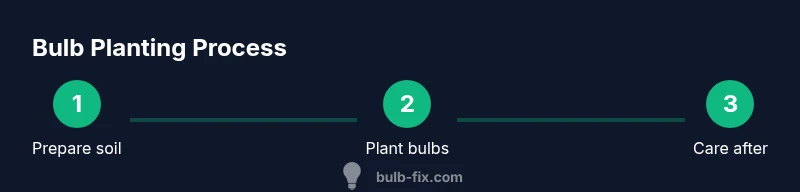
- 1
Prepare the bed and soil
Clear the area, remove weeds, and loosen the soil to a depth of 6–12 inches (15–30 cm). Mix in compost or well-rotted manure to improve drainage and nutrient content.
Tip: Ensure a soil pH around 6.0–7.0 for most plantera bulbs. - 2
Mark spacing and depth
Plan rows or clusters with even spacing; use a measuring tool to keep consistent gaps. Determine bulb depth: typically 2–3 times the bulb height.
Tip: Place bulbs with the pointed end up and the roots down. - 3
Plant bulbs at correct depth
Dig holes at the calculated depth, set bulbs upright, and cover with soil. Gently firm soil to remove air pockets but avoid compacting tightly.
Tip: Don’t compress soil around bulbs; give them a light settle. - 4
Water after planting
Water slowly to settle soil and moisten root zones, then monitor moisture to prevent soggy conditions.
Tip: Water in the morning to allow leaves to dry and reduce disease risk. - 5
Mulch and label the bed
Apply 2–3 inches of mulch to insulate roots and suppress weeds. Label each variety to track bloom times and color palette.
Tip: Keep mulch a few inches away from bulb centers to prevent rot. - 6
Monitor and care through season
Check weekly for moisture needs, pests, and weed competition. Adjust watering during dry spells and protect from extreme heat.
Tip: Protect early shoots from nibbling animals with simple barriers.
Got Questions?
What does 'plantera bulb' mean?
Plantera bulb means planting bulbs in the garden with proper depth, spacing, and care to encourage healthy blooms.
Plantera bulb means planting bulbs in the garden with proper depth and care to encourage blooms.
When is the best time to plant bulbs?
Most bulbs are planted in fall in temperate regions to establish roots before winter. In milder climates, early spring planting can also work for some varieties.
Most bulbs are planted in fall to establish roots before winter.
How deep should I plant plantera bulbs?
A common rule is 2–3 times the bulb height; adjust for bulb size and soil conditions. Ensure the pointed end is up.
Plant bulbs two to three times their height deep with the pointed end up.
Can I plant bulbs in containers?
Yes. Use a well-draining potting mix, a container with drainage holes, and ensure the bulbs have room to grow without crowding.
Bulbs can be grown in containers with good drainage and space.
What if bulbs don’t bloom?
Check moisture, light, and temperature. Sometimes bulbs require a cooling period; ensure they were stored properly and are fresh.
If bulbs don’t bloom, check moisture and light and ensure bulbs are fresh.
How should I store bulbs after harvest?
Store in a cool, dark, ventilated area until fall planting. Avoid piling wet or damaged bulbs.
Store bulbs in a cool, dry, ventilated space until ready to plant.
Watch Video
Key Points
- Prepare well-drained soil before planting.
- Plant depth is typically 2–3x bulb height with even spacing.
- Water after planting and mulch to retain moisture.
- Label beds to track varieties and bloom times.
- Regular inspection prevents rot and pest issues.