What bulbs to plant in fall: A homeowner gardening guide
Learn which bulbs to plant in fall for a vibrant spring display. This Bulb Fix guide covers timing, planting depth, soil prep, and care tips for a bulb bed.


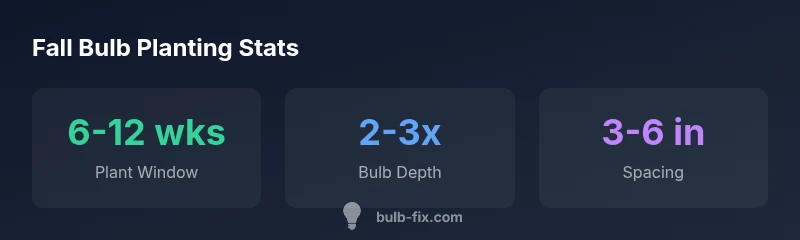
Fall planting bulbs include tulips, daffodils, crocuses, hyacinths, alliums, and iris. Steps: 1) Select varieties suited to your climate and sun exposure; 2) Plant before the first hard frost; 3) Dig holes 2-3x bulb height deep; 4) Space bulbs 3-6 inches apart and water well; 5) Mulch to protect roots through winter. For best results, group colors and rotate beds yearly.
Why Fall Bulbs Make Sense
According to Bulb Fix, fall is the ideal planting window for many temperate-climate bulbs because soil temperatures remain warm enough to encourage root growth while air temperatures cool, minimizing transplant shock. Planting in autumn gives bulbs a head start before winter dormancy, so they can establish a robust network of roots and storage tissue that powers spring blooms. A well-planned fall program also helps stagger bloom times, providing interest across multiple weeks and reducing the risk of a single heavy flush of color. In addition to traditional tulips and daffodils, consider early-spring bloomers such as crocus and iris, plus hardy alliums and some species of grape hyacinths. When you plant in groups, color balance looks intentional, and if you space varieties with different bloom times, your garden can light up in a staged sequence. Finally, mulching lightly after planting protects crowns from frost and helps conserve moisture without suffocating roots. With proper selection and placement, fall bulbs set the stage for a vibrant spring display.
Choosing the Right Bulbs for Fall Planting
Selecting the right bulbs begins with climate and site. Favor commercially proven varieties labeled for cold hardiness in your zone, and avoid varieties known for poor storage quality. If you have part shade, choose bulbs that tolerate lower sun; if you have full sun, prioritize bulbs with strong bloom. Bulb Fix analysis shows that diversity in color, height, and bloom timing improves garden resilience and reduces pest damage by enabling natural pest-tracking patterns. When shopping, inspect bulbs for firmness and absence of mold or soft spots, and separate any that are damaged. Plan your color scheme in advance: white and yellow tones create brightness in dim winter light, while pinks, purples, and blues can appear after the first crocus blooms. For containers, choose smaller or dwarf varieties so plants don't outgrow their pots. Finally, consider deer resistance if wildlife is a concern; daffodils, narcissus, and certain alliums tend to deter nibblers. Mixing bulbs with annuals in the early spring border can extend interest and reduce soil disruption.
Planting Technique: Depth, Spacing, and Soil Prep
Depth and spacing are the two most critical variables. A general rule is to plant bulbs at a depth of two to three times their height; deeper planting increases winter survival in colder regions but can delay emergence in mild winters. Space bulbs about 3-6 inches apart to give each plant room to mature, while still creating a dense display. Use well-drained soil; if your soil traps water, amend with compost and coarse sand or mulch to improve drainage. Before planting, loosen the soil to relieve compaction and remove stones that poke through the bulb. Place pointed ends upward and cover with soil, then water lightly to settle the bed. In heavy soil or clay, create shallow raised beds to improve drainage. For border plantings, mix early bloomers with late bloomers so color continues through spring. If you live in zones with early frosts, consider pre-chilling bulbs that require it, following the packaging instructions. Finally, label each bed or patch with a simple color-coding or signage system so you can rotate plantings next year for even more interest.
Care Through Winter and Into Spring
After planting, a light mulch layer protects crowns during freeze-thaw cycles and helps retain moisture. In zones with heavy freezes, leave a little extra mulch on the bed, but remove any excess in spring to prevent overheating the crowns as soils warm. Watering is minimal in winter, but a dry spell during late winter can stress emerging shoots; check moisture levels and water if the top inch of soil feels dry. As shoots begin to appear, gradually reduce mulch to expose emerging growth and allow air movement. Fertilization is usually unnecessary for most bulbs in the first year unless the soil is very poor; in that case, apply a balanced bulb fertilizer following label directions. In early spring, remove spent foliage only after it has yellowed and begun to die back, and avoid cutting green growth too early because many bulbs rely on leaf tissue to produce energy reserves for bloom later in spring. Finally, plan for post-bloom bed maintenance: dig and divide crowded clumps after flowering to maintain vigor in subsequent seasons.
Common Mistakes to Avoid
Common mistakes sabotage bulb displays. Planting too shallow is the most frequent error; shallow bulbs lose root development and bloom poorly. Overwatering in fall can rot bulbs, especially in poorly drained soil or containers. Conversely, neglecting watering in dry months before frost can dry the bulbs out and stunt roots. Not planning for color and bloom timing leads to gaps in spring interest; group bulbs by bloom window to create a continuous display. Another mistake is mismatching bulb type to site: the most vigorous forms need full sun and good drainage, while some varieties tolerate partial shade but still require similar soil conditions. Finally, failing to label and rotate beds makes managing colors and pests difficult in subsequent years. If you’re using containers, ensure the pot has drainage holes and use a soil mix designed for bulbs to prevent rot. By avoiding these pitfalls and following best practices, you’ll maximize your fall planting success and enjoy a remarkable spring show.
Fall Bulb Garden Design Ideas
Designing with fall-planted bulbs can yield a dynamic spring garden. Try layered groups of dwarf, mid-height, and tall bulbs for vertical interest: a front border of crocus and snowdrops, a mid-layer of daffodils, and a back row of tall alliums. Consider planting in drifts rather than single rows to create bold color blocks. If you have containers, use trailing violas or muscari to cascade over edges and extend the visual reach of your display. Pair with early-spring perennials or annuals to cover the ground after bulbs bloom, reducing soil disruption and keeping the bed lively. In darker sites, choose bright, warm tones such as yellow, apricot, and warm white to reflect light and brighten the space. Finally, place bulbs with similar bloom times together to achieve cohesive displays and easier maintenance. Following these principles will help you craft a long-lasting spring show that starts from your fall planting.
Common fall-planted bulbs and their general timing
| Bulb Type | Ideal Planting Window | Typical Bloom Time | Notes |
|---|---|---|---|
| Tulips | 6-12 weeks before frost | Spring bloom | Group for color, plant in sun |
| Daffodils | 6-12 weeks before frost | Spring bloom | Deer-resistant, good naturalizers |
| Crocus | 6-12 weeks before frost | Spring bloom | Border/rock garden friendly |
| Allium | 8-12 weeks before frost | Late spring to early summer | Tall focal point, pollinators |
Got Questions?
What bulbs should I plant in fall for spring blooms?
Plant tulips, daffodils, crocuses, hyacinths, and iris before the first hard frost. Choose varieties suited to your climate, and group colors for impact. Follow container or bed guidelines to ensure proper drainage and moisture.
Plant tulips and friends before frost, group colors for impact, and ensure good drainage.
Can I plant bulbs in containers in fall?
Yes. Use containers with drainage holes and a well-draining mix. Smaller bulbs work best in pots; ensure adequate sun and regular moisture without waterlogging.
Absolutely—use good drainage and appropriate-sized pots for the bulbs.
How deep should fall bulbs be planted?
A general rule is two to three times the bulb height. In colder areas plant a bit deeper; in warmer regions a shallower depth can work if drainage is excellent.
Plant bulbs about 2-3 times their height deep, depending on your climate and drainage.
Do fall bulbs require chilling before blooming?
Some species need cold exposure to bloom; follow each bulb’s packaging. If your winter is mild, you may need to choose varieties with low chilling requirements.
Some bulbs need a cold spell to bloom; check the bulb’s requirements.
What soil conditions help fall bulbs?
Well-drained soil is essential. If your soil retains water, amend with compost and sand or create raised beds to improve drainage.
Make sure the soil drains well to prevent rot during winter.
What maintenance after planting?
Water as needed until the ground freezes, mulch lightly, and weeds kept under control. In spring, remove mulch as growth begins and keep beds tidy to support bloom.
Water moderately through winter, mulch lightly, and watch for weeds.
“"A well-planned fall bulb planting can deliver a vibrant spring kaleidoscope with minimal effort."”
Key Points
- Choose climate-appropriate bulbs
- Plant before frost for root establishment
- Group bulbs for impact and longer bloom
- Mulch to protect crowns and conserve moisture