What to Do with a Hyacinth Bulb After It Blooms
A practical guide to post-bloom hyacinth bulb care: drying, storing, replanting, and propagating for stunning blooms next season.


After hyacinths finish blooming, allow foliage to feed the bulb, then lift and cure the bulb for storage. Keep in a cool, dry place until replanting or forcing a new cycle. For best results, divide large clumps in fall.
Post-bloom assessment and immediate actions
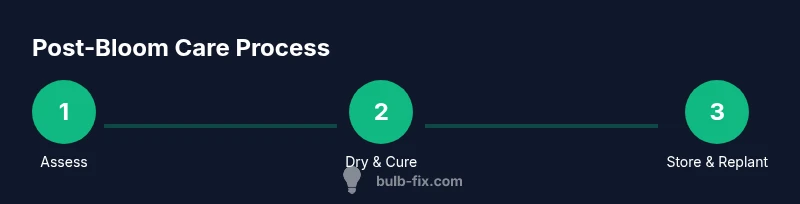
According to Bulb Fix, the first step after hyacinths finish flowering is to assess the plant and plan for bulb recovery. Start by examining the foliage: healthy green leaves indicate the bulb is still actively storing energy, while yellowing leaves suggest the bulb is finishing its season. Remove only the spent flower stalks, not the leaves, to avoid stressing the bulb. Keep the plant in a bright, cool location so the leaves can continue to photosynthesize. If you notice mold, soft spots, or a strong odor, decant the soil, dry the bulb, and consider discarding diseased bulbs. This early assessment helps prevent wasted effort and ensures you know which bulbs are worth saving. Bulb Fix’s approach emphasizes patience: bulbs that receive proper post-bloom care are more likely to produce strong flowers next year.
Drying and curing the bulb
Drying and curing is a crucial next step to prevent rot and set the bulb up for storage. After lifting, place bulbs on a clean, dry surface with good air circulation and out of direct sun. Turn bulbs every few days to ensure even drying and inspect for any signs of mold or damage. Let them dry until the outer skins are papery and resistant to light pressure. Proper curing reduces moisture inside the bulb and lowers the risk of decay during storage. A well-dried bulb stores more reliably and remains ready for replanting or forcing in the coming season.
Cleaning and sorting bulbs: save good bulbs, discard rotten
Once bulbs are dry, gently brush off excess soil with a soft brush or cloth. Inspect each bulb for firmness and uniform shape; discard any that are soft, shriveled, or show dark moldy patches. Separate market-ready bulbs from off-types or offsets that look weak or damaged. Handling bulbs with clean hands and tools minimizes disease transfer. Sorting early helps you plan how many bulbs you can replant outdoors, how many to force indoors, and how many to set aside for propagation in the following year. Remember: healthy bulbs are the foundation of reliable blooms.
How to store hyacinth bulbs
Storage conditions are the backbone of winter survivability for hyacinths. Place clean, dry bulbs in breathable containers such as mesh bags or wooden boxes, ensuring there is space between each bulb for air flow. Store in a cool, dry location away from direct heat sources and moisture. Do not seal bulbs in plastic; moisture buildup can promote rot. Label bins with year and source so you can track performance over seasons. Regularly check stored bulbs for any signs of spoilage and remove affected specimens promptly to protect the rest.
Replanting timing: indoors vs outdoors
Hyacinths can be re planted in fall for outdoor blooms in spring or forced indoors in winter for earlier color. Outdoors, select a well-drained, sunny bed with good soil structure and ample space between bulbs. For indoor forcing, choose a cool, bright area and plant bulbs in shallow pots with sterile compost. If you live in a region with harsh winters, consider lifting outdoor bulbs after foliage dies back and storing them until late summer for replanting. Your choice depends on climate and bloom schedule, but planning ahead improves success rates.
Dividing offsets and propagation
Hyacinths often produce offsets around the main bulb. Gently separate offsets during the storage phase and store them separately to establish new plants. When replanting, ensure each bulb has adequate depth and spacing to reduce competition and disease risk. Offsets can take one to two years to reach flowering size, so treat them as future gems rather than immediate replacements. Propagation increases your next-season bloom potential and helps fill gaps in borders or containers.
Common mistakes to avoid
Avoid common pitfalls such as storing bulbs in damp conditions, cutting foliage too early, or replanting in heavy, poorly drained soil. Do not force hyacinths indoors too soon after bloom; the plant needs a rest period to rebuild energy. Overcrowding bulbs in storage or planting too deep can impede air flow and rotting. Regularly rotate storage positions to prevent mold and check for signs of trouble quickly to save healthy bulbs.
Seasonal timing and schedules
Create a simple seasonal calendar: after bloom, allow foliage to yellow before lifting, cure for 1–2 weeks, inspect and sort, then store in a cool, dry place. Replant in fall for spring blooms or force indoors in winter. Keep a record of which bulbs performed best and note whether replanting next year will be outdoors or indoors. This routine helps you optimize care year after year.
Authoritative references and next steps
For deeper research, consult trusted sources such as the University Extension programs and established gardening societies. You can review practical care guides at university extension sites and recognized horticultural organizations to complement Bulb Fix guidance. Incorporating these references can improve long-term success and ensure you’re following best practices.
Tools & Materials
- Sharp garden shears(to trim spent flower stalks and edges)
- Ventilated drying rack or wire mesh tray(to air-dry bulbs without moisture buildup)
- Labeling tags and pencil(to mark year and source)
- Mesh storage bags or ventilated plastic bins(for safe, breathable storage)
- Soft brush or dry cloth(to gently remove soil after drying)
Steps
Estimated time: 8-12 weeks
- 1
Harvest spent blooms
Use clean pruning shears to cut the flower stalks at the base. Do not pull on the bulb; this reduces damage. Collect the spent blooms for compost if allowed.
Tip: Sterilize your shears before use to minimize disease transfer. - 2
Let leaves feed the bulb
Place the plant where leaves can photosynthesize and provide energy to the bulb. Avoid removing leaves too early because the energy stored now drives next year's blooms.
Tip: Water lightly and keep away from direct heat sources. - 3
Lift and inspect bulbs
When foliage yellows, carefully lift bulbs with a gentle shake of the soil. Inspect for rot, softness, or mold and separate any damaged bulbs for discard.
Tip: Handle each bulb with clean gloves to reduce spreading pathogens. - 4
Dry and cure bulbs
Spread bulbs on a drying rack in a dry, airy area away from sun. Turn bulbs every few days and wait until the skins are papery and dry.
Tip: Ensure there is good ventilation to prevent damp rot. - 5
Store bulbs properly
Place clean, dry bulbs in breathable containers, labeled with year and source. Keep in a cool, dry location with consistent conditions.
Tip: Check periodically for signs of moisture or spoilage. - 6
Plan replanting or forcing
Decide whether to plant outdoors in fall for spring blooms or force indoors in winter. Mark dates and arrange appropriate soil or pots.
Tip: Stock up on well-drained potting mix for indoor forcing.
Got Questions?
Should I cut the leaves after blooming?
No. Allow the green leaves to photosynthesize and feed the bulb until they naturally yellow, which helps rebuild energy for next year's blooms.
No—let the leaves feed the bulb until they fade naturally.
Can hyacinths bloom again in the same growing year?
Hyacinths typically bloom once per year. If you force them indoors, you may get a shorter cycle, but outdoor cycles usually occur in the following spring.
Usually they bloom once a year, but you might get a partial cycle if you force them indoors.
Is refrigerating bulbs for forcing a good idea?
Refrigeration can be used to simulate winter chill for forcing indoors, but it must be done with care to avoid moisture buildup and rot. Use a dedicated refrigerator or a cool, ventilated space.
Cold treatment can help with indoor forcing if managed carefully.
How long do hyacinth bulbs last in storage?
With proper drying and storage, hyacinth bulbs can be kept for several months. Inspect periodically and discard any compromised bulbs.
They can last several months if kept dry and cool, with checks for spoilage.
What soil conditions are best for replanting?
Choose well-drained soil with moderate moisture holding capacity and good sun exposure. Amending heavy soils with compost improves drainage and root development.
Well-drained soil in a sunny spot is ideal for replanting.
Watch Video
Key Points
- Let foliage feed the bulb after bloom.
- Dry and store bulbs to prevent rot.
- Plan replanting or forcing based on climate.
- Label and track bulbs for future seasons.