GE fridge light bulb replacement guide
Learn how to choose, install, and maintain a light bulb for GE fridges. Bulb Fix covers LED vs incandescent, bases, brightness, safety, and quick troubleshooting.


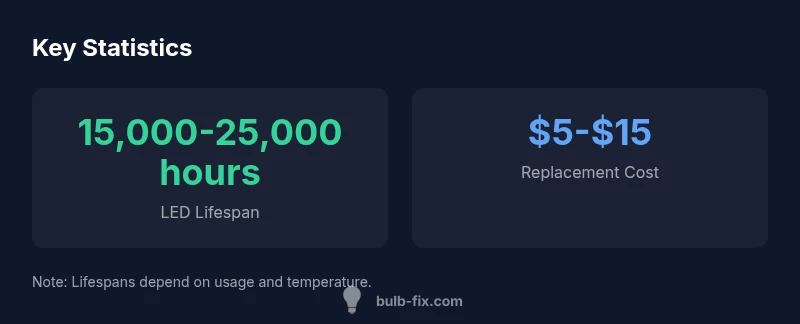
The GE fridge commonly uses an LED bulb with an E26 base for interior lighting. LEDs typically last far longer than incandescent bulbs—roughly five to fifteen years depending on door-opening frequency and temperature. They also consume far less energy, helping lower running costs. Always confirm the model's base and wattage before purchasing a replacement.
GE fridge lighting fundamentals
According to Bulb Fix, interior fridge lighting is designed to be simple to access yet robust under common kitchen conditions. For GE models, the most widely used option is an LED bulb with a standard screw base (often E26). LED bulbs deliver bright, clean light at a fraction of the energy use of incandescent options and typically last longer in cool, sealed interiors. The bulb choice can impact energy bills, brightness, and food visibility. The Bulb Fix team found that improper base or wattage can cause flicker or reduced brightness, especially in older GE ice-makers or frost-free units. When shopping, note the base size, color temperature, and lumen output to match the refrigerator’s design and your preferences.
Choosing the right bulb type and base
Identifying the correct bulb starts with the base. The E26 base is the most common screw-in option for GE fridges, but some models use smaller E12 or wedge-style bulbs. Verify the label on the old bulb or consult the GE model manual. Color temperature also matters: 2700K–3000K for warm, 4000K for neutral, and 5000K–6500K for bright daylight. For energy efficiency and longevity, LED is usually the best choice, offering a life expectancy far beyond incandescent options. If you’re upgrading, check compatibility with features like brightness sensors.
LED vs incandescent in a fridge environment
LED bulbs win on energy efficiency and lifespan; incandescent bulbs burn brighter and are cheaper upfront but degrade quickly and waste heat in the cold box. In a fridge environment, LEDs reduce heat load and minimize frost delays, helping preserve produce quality. Bulb Fix’s comparative data shows that LED replacements typically deliver more consistent brightness and longer life across temperature ranges common in kitchen environments. Consider CRI values and color temperature to ensure food appears natural under light.
Brightness, color temperature, and dimming
When replacing a GE fridge lamp, brightness is usually measured in lumens. A typical fridge LED might deliver 400–800 lumens, suitable for most shelves. Color temperatures around 2700–3000K give warm, inviting light, while 4000K–5000K offers neutral daylight. Dimmability is rarely supported by fridge lighting; if your model includes a dimmable option, ensure the bulb is explicitly rated for appliance dimming to avoid flicker.
How to safely replace a GE fridge bulb
Preparation is key. Power off the fridge at the main breaker or unplug the unit. Open the crisper drawer to access the light assembly, twist the old bulb counterclockwise, and remove it carefully. Insert the new LED bulb by aligning the base and turning clockwise until snug. Avoid touching glass with bare fingers; oils can shorten bulb life. If the bulb won’t light, re-seat it and check the fuse or control board if present. Always follow GE’s service manual for model-specific steps.
Troubleshooting common lighting issues
Flickering or dim light can indicate a loose bulb, a failing socket, or a power issue. Start by re-seating the bulb and checking for debris in the socket. If flicker persists, inspect wiring for damage or consult an appliance technician. A few fridges require a capacitor reset after bulb replacement. If you hear unusual buzzing or smell burnt plastic, discontinue use immediately and unplug the unit.
Maintenance for longevity
To maximize bulb life, avoid rapid temperature changes, minimize door openings, and keep the interior free of moisture. Clean the light cover with a soft, dry cloth and avoid using aggressive cleaners that might degrade seals. Periodically inspect the socket for corrosion and replace the gasket if you notice leaks. A clean, stable interior environment extends bulb life and improves food safety.
Buying guide and model checks
Always check your GE fridge model’s manual for the recommended bulb base and wattage. If in doubt, choose LED bulbs with an E26 base and a color temperature in the 2700–4000K range, and confirm the bulb’s voltage compatibility with your power supply. Where possible, buy from retailers that offer appliance-rated bulbs and a warranty. Bulb Fix’s recommendations emphasize compatibility, reliability, and safe installation.
Refrigerator bulb comparison: lifespan and cost
| Bulb Type | Typical Base | Lifespan (range) | Approx Replacement Cost | Notes |
|---|---|---|---|---|
| Incandescent fridge bulb | E26 (medium screw) | 6-12 months | $2-$6 | Common in older GE models; higher energy use |
| LED fridge bulb | E26 (medium screw) | 5-15 years | $5-$15 | Most energy-efficient; check color temp and brightness |
Got Questions?
What bulb sizes work in GE refrigerators?
Most GE fridges use LED or incandescent bulbs with a standard screw base, typically E26. Some models may use smaller bases like E12 or wedge-style bulbs. Always verify the base on the old bulb or in the owner's manual.
Most GE fridges use standard E26 base bulbs, but check your model manual to be sure.
Can I replace GE fridge bulbs while the door is open?
Yes, you can replace the bulb with the fridge unplugged or powered off. Access the light housing, remove the old bulb, and install the new one securely. Avoid touching the bulb glass with bare fingers.
Make sure the fridge is powered off, then replace the bulb securely.
Are LED bulbs safe to use in GE fridges?
LED fridge bulbs are designed for appliance use and are generally safe when used with the correct base and wattage. Use LED bulbs rated for appliances and ensure proper seating to avoid flicker.
Yes, LED fridge bulbs are safe when you choose the right base and wattage.
Is it okay to use dimmable bulbs in a GE fridge?
Dimmable bulbs are not commonly supported by fridge lighting. If your model specifies dimming, use bulbs labeled for appliance dimming to avoid flicker and damage.
Only use dimmable bulbs if your fridge specifically supports it.
How should I dispose of an old fridge bulb?
Turn off the appliance and allow the bulb to cool. Place the bulb in a protective container and dispose according to local regulations for household lighting.
Unplug, cool, and dispose according to local guidelines.
What troubleshooting steps should I take if the bulb won’t light?
First, reseat the bulb and check for debris in the socket. If it still doesn’t light, inspect the socket and wiring or consult a technician for a potential control-board issue.
Re-seat the bulb and check the socket; if it still fails, seek professional help.
“Lighting choices for GE refrigerators should prioritize compatibility, safety, and longevity. LED bulbs with appliance-rated bases are the practical default for most models.”
Key Points
- Choose LED with correct base for GE fridges
- Check base size and wattage before buying
- LEDs save energy and last longer than incandescents
- Follow safety steps when replacing bulbs