How to Make Copper Bulb: A DIY Guide for Safe Crafting
Learn how to create a copper bulb from copper sheet, shaping, patina finishes, and safe assembly. This step-by-step guide covers materials, tools, safety, and maintenance for a decorative yet functional copper bulb.


Learn how to make a copper bulb safely and effectively, including selecting materials, shaping a copper shell, assembling a simple glass insert, and applying a patina or finish. This step-by-step guide covers safety precautions, basic tools, and finish options so you can complete a decorative, functional copper bulb for DIY lighting projects.
What is a copper bulb and why make one
According to Bulb Fix, a copper bulb blends artisanal metalwork with practical lighting considerations. Crafting a copper bulb allows DIY enthusiasts to add a warm, hand-crafted focal point to spaces while exploring basic metal shaping, sealing, and finish techniques. The project suits hobbyists who enjoy small-batch metalwork and safe lighting integration. As you plan, consider the intended environment, socket compatibility, and heat tolerance of any glass insert or lantern components you intend to use.
Safety considerations and planning
Before you cut or shape copper, outline a safety plan. Work in a well-ventilated area, use eye protection, and keep a fire-safe surface nearby. Decide whether your copper bulb will be decorative only or functional with a low-heat LED module. If you plan to power a real bulb, ensure all electrical components comply with local electrical codes and use heat-rated insulation where needed. Bulb Fix analysis shows that careful insulation and proper sealing reduce heat exposure and prolong finish life.
Copper basics: alloys, patinas, and heat management
Copper is prized for its color and ductility, but its behavior changes with patina and temperature. Pure copper forms a distinct reddish-brown tone that patinas to greens and blues over time when exposed to air and moisture. For a bulb, you’ll want to balance form with heat management: consider a copper shell thick enough to hold shape but thin enough to form, and plan a safe internal space for the light source. Use patina finishes or clear coatings to control aging and corrosion.
Shaping copper: sheet vs tubing and forming techniques
Two primary paths exist: shaping from flat copper sheet into a shell, or bending copper tubing into a hollow bulb shell. Sheet metal allows more control for decorative shapes, while tubing can create rounded, bead-like profiles. Tools like jeweler’s files, rotary burrs, and a mallet help refine edges. Take care to avoid kinks and cracks, especially near joints. Proper support during forming prevents warping and ensures even thickness around the bulb.
Assembly: joining copper to glass insert and electrical considerations
A copper bulb typically pairs a copper shell with a glass insert or capsule to shield the light source. Secure the insert with a high-temperature, electrically non-conductive sealant and avoid filling the space with combustible materials. When wiring, use low-voltage LED units or UL-listed components designed for enclosed fixtures. Ensure clear ventilation around the shell to prevent heat buildup and reduce the risk of thermal stress.
Finishes: patinas and protective coatings
Patinas offer a range of aesthetic options from bright copper to darkened, aged tones. Apply patina with appropriate safety gear and let it develop to your desired shade. Sealants or lacquer can protect the finish from humidity and oils, extending the copper’s life. If you prefer a bright, polished look, use a metal polish and a protective wax or clear coat to maintain luster.
Lighting compatibility and safety checks
Ensure your copper bulb is compatible with your fixture’s socket and rated for the intended voltage. For DIY projects, prefer LED modules that operate at low heat and require minimal ventilation. Check every seam, joint, and sealant for cracks or gaps. Use heat-resistant materials around the light source and avoid trapping heat near plastic components or organic materials.
Common mistakes and troubleshooting
Common issues include warping from over-tightening clamps, improper edge finishing leading to cuts, and inadequate ventilation causing heat buildup. If patina develops unevenly, lightly sand high spots and reapply the finish. For electrical safety, avoid DIY wiring beyond basic connections unless you’re qualified. Always test the assembly with a low-power source first.
Maintenance, cleaning, and longevity tips
Clean copper with a soft, dry cloth to avoid scraping the patina. If patina dulls, reapply or refresh the finish. Periodically inspect joints for loosening or corrosion and reseal as needed. Store away from moisture and avoid harsh chemicals that could degrade patina or sealants. A properly finished copper bulb can maintain color and shape for years with minimal maintenance.
Creative variations and project ideas
Experiment with mixed metals by pairing copper with brass or bronze accents. Consider a mixed-media bulb with a glass lantern or a ceramic socket cap for contrast. You can also create a smaller desk lamp version or a pendant with decorative chains. Always prioritize heat management, and use safe, enclosure-rated hardware for any functional fixture.
Tools & Materials
- Copper sheet or tubing(15-20 gauge copper recommended; for sheet, plan a panel that can be formed into a bulb shell.)
- Glass insert or capsule(Clear, heat-tolerant insert that fits the copper shell opening.)
- Soldering iron and lead-free solder(Tip size 1-2 mm; use flux for copper joints.)
- Flux and pickle solution(To improve copper bonding and clean metal surfaces.)
- Patina kit or heat-resistant finish(Optional for color and protection.)
- Heat-resistant gloves(Protect hands during shaping and soldering.)
- Safety goggles(Eye protection for cutting and grinding.)
- Files and sandpaper (grits #120–#400)(Smooth edges and prepare surfaces for patina.)
- Wire, socket, and wiring hardware(Ensure electrical compatibility with the fixture.)
- Ceramic or silicone insulation(Adds heat protection near the socket.)
- Soft cloths and cleaning solvents(For patina finishing and cleaning.)
Steps
Estimated time: 60-120 minutes
- 1
Prepare workspace and safety gear
Set up a ventilated area with a nonflammable work surface. Put on safety glasses and heat-resistant gloves. Gather all tools and materials to minimize trips to the bench. Verify your electrical plan if you’re integrating a live bulb. This initial preparation reduces the risk of accidents.
Tip: Double-check electrical components for compatibility with your fixture before starting. - 2
Cut and shape the copper shell
Use a metal shear or appropriate cutters to size copper sheet, then form it into a bulb shape using a mallet and jigs. Maintain even thickness and smooth edges with a file. For tubing, bend gradually around a form to avoid kinks. Support the piece during shaping to prevent warping.
Tip: Work slowly and check symmetry at every stage to avoid uneven profiles. - 3
Prepare and insert the glass capsule
Choose a glass insert that can tolerate the intended operation temperature. Clean the insert, then dry-fit it inside the copper shell to check clearance. If needed, trim the shell opening to allow a snug, even fit around the glass.
Tip: A tight fit minimizes movement that could stress joints later. - 4
Solder and seal joints
Apply flux to joints, then solder with a steady, even heat. Avoid overheating the glass insert and copper to prevent warping. Clean joints with a pickle solution and wipe away residues before patination.
Tip: Keep the iron moving to avoid burning copper or overheating the glass. - 5
Attach wiring and socket assembly safely
Install a socket compatible with your light source and route wiring through insulated channels. Use ceramic insulation and sealants where necessary to prevent heat transfer to copper edges. Test continuity with a low-power source before full operation.
Tip: Never bypass safety features or use unapproved wiring in an enclosed copper bulb. - 6
Apply patina or finish and cure
If using patina, apply according to manufacturer directions or your chosen method, then allow it to cure fully. Seal with a protective coating to lock in color and resist humidity. Re-check for any sharp edges that patina might have created.
Tip: Patina can alter color; test on a small area first.
Got Questions?
What exactly is a copper bulb, and what is its typical use?
A copper bulb is a decorative lighting element where a copper shell surrounds a light source or glass insert. It combines metalworking and safe lighting considerations, often used for lamps, pendants, or display pieces. When built safely, it can be both aesthetically pleasing and functional.
A copper bulb is a decorative lamp part with a copper shell around a light source, designed for style and safety when built correctly.
Do I need a glass insert for safety, and what should it be like?
Using a glass insert helps protect the light source and concentrates heat away from copper. Choose heat-tolerant glass that fits snugly inside the shell. Ensure there is adequate ventilation and spacing to prevent heat buildup.
Yes, a glass insert improves safety by shielding the bulb and allowing better heat management.
Can I use any bulb, or should I choose LED?
For DIY copper bulbs, LEDs are usually best because they generate less heat and are safer for enclosed fixtures. If you use traditional incandescent bulbs, ensure the enclosure is rated for high temperatures and provide adequate airflow.
LEDs are the safer choice for copper bulbs in enclosed fixtures.
How can I finish copper to prevent rapid oxidation?
You can either leave the natural patina to form over time or apply a controlled patina using approved chemicals. After finishing, apply a clear protective coat to slow oxidation and improve durability.
Patina can be natural or applied; finish with a protective coat for longevity.
What maintenance does a copper bulb require?
Regularly dust the exterior with a soft cloth. Reapply protective coating if the finish dulls or shows wear. Check joints and socket integrity periodically to ensure safe operation.
Keep it clean and refreshed with a light coating to protect the finish.
Watch Video
Key Points
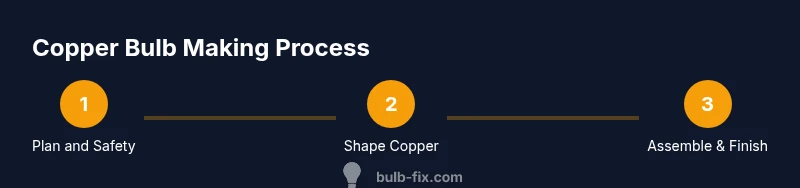
- Plan safety and material compatibility before starting
- Shape copper shell with controlled forming to avoid warping
- Seal and insulate joints to prevent heat transfer
- Choose low-heat lighting options for enclosed fixtures
- Finish with a durable patina or protective coating