Light Bulb Depot San Antonio TX: A Practical Guide
Explore how to choose a reliable light bulb depot in San Antonio, Texas. Learn to compare stock, energy-efficient LED options, pricing, and returns with practical tips from Bulb Fix.


A light bulb depot san antonio texas typically carries a broad range of bulbs, including LED, incandescent, and CFL options, plus related accessories like dimmers, sockets, and bulbs in common sizes. For homeowners and DIYers, the best approach is to prioritize energy efficiency, color temperature, and fixture compatibility. Bulb Fix recommends checking local store selection, stock availability, and return policies before purchasing.
Why reliability matters for light bulb purchases in San Antonio
Buying bulbs is more than a price check—it's about reliability, compatibility, and after-sales support. In San Antonio, where homes experience hot summers and occasional quick temperature swings, a dependable local retailer can save you time and money. According to Bulb Fix, choosing a retailer with consistent stock, straightforward warranties, and knowledgeable staff reduces mispurchases and returns. A robust selection that includes LED, incandescent, and CFL options ensures you can adapt to energy codes and fixture requirements. When you visit a light bulb depot san antonio texas, you should look for clear product labeling, accessible packaging for different bases (E26/E27, GU10, G9), and the ability to compare color temperatures side-by-side. The Bulb Fix team emphasizes the importance of transparency in pricing and availability so you can plan larger upgrades without surprises. Local depots that offer bulk discounts for contractors or bulk purchases can also reduce per-bulb costs, especially for kitchens, bathrooms, or outdoor lighting. Reliability means stock is backed by return policies and staff who can help you troubleshoot post-purchase.
What to look for in a bulb depot in San Antonio
When evaluating a local depot, prioritize selection breadth, clarity of labeling, and staff knowledge. A good light bulb depot san antonio texas will carry LED, CFL, incandescent, and specialty bulbs, with options for common bases like E26/E27, GU10, and G9. Verify that prices are clearly posted and that you can easily compare color temperature and CRI side by side. Return policies should be straightforward, and warranties on bulbs should be easy to claim. Look for in-store signage that explains energy usage and lumen output, which helps you avoid overpaying for underperforming bulbs. If you are upgrading a whole house, ask about bulk discounts or contractor programs, and see if the store offers bulk bundles that simplify large orders. Finally, assess whether staff can guide you through compatibility with fixtures, dimmers, and smart-home integrations. A knowledgeable associate can prevent costly misfits and ensure you select the right bulb for every room.
Understanding bulb types and when to choose LED
Selecting the right bulb depends on usage, fixture type, and desired ambience. LED bulbs deliver energy efficiency and long life, making them ideal for high-usage rooms and outdoor lighting. In contrast, incandescent bulbs provide warm color but consume more electricity and have shorter lifespans. CFL bulbs offer good efficiency but slower warm-up and shorter life than LEDs. At a San Antonio depot, you will often find LED options across color temperatures from warm white (around 2700K) to daylight (5000K). Consider CRI and color consistency for living spaces and work areas; higher CRI yields better color rendering. When shopping, compare lumen output to wattage, as LED devices are more efficient at producing light per watt. For task lighting, choose 3500K-4100K; for relaxing spaces, 2700K-3000K is common. Bulb Fix notes that most households can reduce energy use by upgrading to LED across frequently used fixtures, such as kitchens, bathrooms, and reading lamps. If you are unsure, ask staff to demonstrate color-temperature differences with live bulbs.
Sizing, bases, and fixture compatibility
Bulbs come with different base types and shapes; the most common residential base is E26/E27 screw base. Some fixtures use bayonet bases or bi-pin bases like GU10 or G13. A key step at a local depot is matching base size, bulb shape, and lighting direction to your fixture. If you are upgrading from incandescent to LED, check base compatibility and note that some LED bulbs have slightly different physical dimensions that may not fit in enclosed fixtures. Look for bulbs labeled rated for enclosed fixtures if applicable. For fixtures with dimmers or smart-home integration, ensure the bulb is dimmable and compatible with your system. When in doubt, bring the fixture or fixture label and a photo of the socket to the staff, who can confirm compatibility. A typical setup includes a mix of A19 or A60 shapes for general lighting and smaller candle or globe shapes for decorative lighting. Understanding base types and dimensions helps prevent returns and wasted trips to the bulb depot.
Energy savings and cost considerations when upgrading
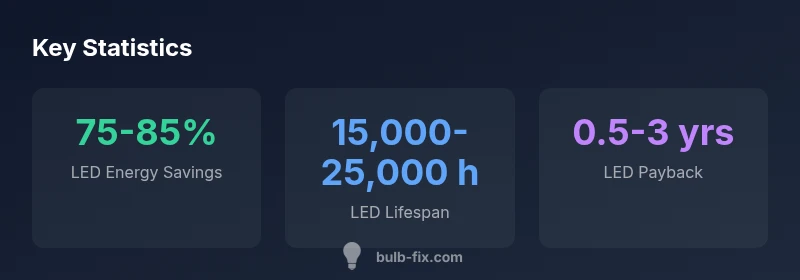
Upgrading to LED bulbs generally reduces energy use and extends bulb life, which lowers maintenance costs over time. The initial purchase price for LED bulbs is higher than incandescent, but the operating cost difference often yields a favorable payback period depending on usage. In homes with long evenings or extensive lighting, LED upgrades can yield noticeable energy savings and fewer bulb replacements. When comparing options at a San Antonio depot, consider both wattage and lumen output; a lower wattage LED can deliver the same brightness as a higher wattage incandescent. Look for bulbs with energy star certification and a long rated life. The Bulb Fix team recommends calculating rough annual costs by multiplying the bulb’s wattage by hours used per day and the local electricity rate, then comparing across bulb types. Also check for warranty length, as longer warranties indicate better-quality manufacturing.
Shopping strategies: stock checks, warranties, and returns
Plan visits around stock checks when possible. Many local depots in San Antonio allow you to call ahead or check online inventory to confirm availability of LED bulbs in your preferred size and color temperature. Ask about warranty terms, as longer warranties can protect you from early failure. Request written receipts that list model numbers and base types to simplify future purchases. If you are upgrading multiple rooms, ask about bulk pricing or contractor programs that reduce per-bulb cost. In-store demonstrations, testing areas, and friendly staff can help you compare brightness (lumens) and warmth (color temperature) side by side. Make a short checklist for your shopping trip: base type, brightness, color temperature, energy rating, and return policy. Having a plan reduces impulse buys and ensures you pick bulbs that meet your lighting design goals.
Disposal and recycling for bulbs
Disposal of bulbs, especially CFLs containing trace amounts of mercury, should follow local guidelines. Most communities encourage recycling at dedicated collection points or bulb-drop programs at hardware stores. When shopping at a light bulb depot san antonio texas, ask staff about local disposal options and any trade-in programs for old bulbs. LED bulbs contain very little hazardous material but should be recycled where possible. Never throw bulbs in regular trash in many jurisdictions. If a bulb is damaged or broken, use caution and clean up using protective gear and proper disposal methods. By choosing energy-efficient bulbs, you can reduce waste and improve your home's environmental footprint over time.
Local checklist for a successful lighting upgrade in San Antonio
- List fixtures and existing base types (E26/E27, GU10). - Decide on LED across high-use rooms first. - Compare color temperatures (2700K for warm, 3000K for soft white, 4000K for neutral). - Check stock, price, and return policy at nearby depots. - Take advantage of bulk discounts for multi-room projects. - Confirm compatibility with dimmers, smart-home devices, and enclosed fixtures. - Arrange an in-store demo or sample bulbs before committing. By following this checklist, you can achieve a cohesive lighting plan that saves energy and improves comfort. The Bulb Fix team recommends working with a reputable local depot in San Antonio to get hands-on guidance and ensure service after purchase.
Store-type bulb retailer comparison
| Store Type | Typical Inventory Focus | Pros & Cons |
|---|---|---|
| Big-box hardware | Wide assortment of bulbs and fixtures | Pros: convenience; Cons: price variability |
| Independent bulb depot | Specialized lighting, knowledgeable staff | Pros: expertise; Cons: smaller footprint |
| Online retailer | Widespread options, delivery | Pros: convenience; Cons: shipping times |
Got Questions?
What should I look for when choosing a light bulb depot in San Antonio?
Seek a retailer with a broad stock, knowledgeable staff, transparent pricing, and straightforward return policies. Look for energy-efficient options and clear labeling to ensure compatibility with your fixtures.
Choose a store with a wide selection and helpful staff; verify return policies and energy-efficient options before buying.
Are LED bulbs worth the switch over traditional bulbs?
Yes. LEDs use far less energy and last longer, which reduces operating costs over time. The higher upfront price is often offset by energy savings and fewer replacements.
Absolutely—LEDs save energy and last longer, making them a smart choice for most homes.
How can I verify stock availability before visiting?
Call the store or use their online inventory if available. This helps you confirm LED availability, base types, and color temperatures before a trip.
Call ahead or check online inventory to confirm what’s in stock.
What is the best color temperature for living areas?
Soft white around 2700K to 3000K is common for living rooms, creating a warm, welcoming atmosphere. For workspaces, higher kelvin values around 3500K-4100K offer better contrast.
For living rooms, aim for warm tones like 2700K to 3000K; for task areas, consider 3500K to 4100K.
What about disposal of old bulbs?
CFLs should be recycled at designated collection points due to trace amounts of mercury. Check local guidelines and ask at the depot about recycling options.
Recycle CFLs where possible; check local guidelines and ask the store about disposal options.
“LED lighting is not just a trend—it's a practical way to cut energy use and extend fixture life.”
Key Points
- Prioritize LED for energy savings
- Verify stock and return policies locally
- Match color temperature to room tasks
- Ask staff about fixture compatibility
- Look for bulk discounts on large orders