Tower Light Bulb Change: A Safe Step-by-Step Guide
A practical guide to safely replacing bulbs in a tall tower fixture, covering safety, tools, bulb types, steps, and maintenance.


During a tower light bulb change, always switch off power at the breaker, allow the fixture to cool, and use a stable ladder. Remove the old bulb counterclockwise, insert a new bulb with the correct base and wattage, then test at the wall switch. Wear safety gloves and avoid touching glass when hot.
Why Tower Lighting Demands Care
Tower lights occupy a prominent outdoor or elevated position, making bulb changes riskier than standard fixtures. A successful tower light bulb change requires careful planning, proper PPE, and the right tools to prevent falls or electrical shock. According to Bulb Fix, safety-first planning and correct bulb selection reduce the chance of accidents and broken bulbs. In practice, this means checking the fixture’s base type, wattage rating, and whether the circuit is on a dedicated line before you touch anything. By approaching the task methodically, homeowners protect themselves and extend the life of their lighting investment.
Safety First: Gear and Prep
Before you touch a bulb, assemble your safety kit and secure the work area. Put on safety glasses and work gloves to shield hands and eyes from glass and sharp edges. Use a stable, tall ladder with non-slip feet, and have a spotter if possible. Clear the area beneath the fixture, remove any debris, and ensure you have adequate lighting. Power down at the breaker or disconnect the fixture if possible, and confirm there is no residual voltage. Small steps taken now prevent a big shock later and keep family members safe.
Understanding Bulbs for Tower Fixtures
Tower lights often use bases that differ from standard home lamps. Examine the old bulb to confirm the base type (for example screw-in bases such as E26/E27 or bayonet styles). Check the wattage and the recommended operating environment; outdoor fixtures may require weather-resistant bulbs and sturdy filaments. If you’re unsure, replace the bulb with a close equivalent and avoid exceeding the fixture’s wattage rating, which can shorten bulb life or overheat components. Matching the color temperature can also improve outdoor visibility and reduce maintenance calls.
Tools and Materials for Tower Light Bulb Change
Gather essential items before you start, including a stable ladder, the exact replacement bulb, and protective gloves. A soft cloth or non-slip grip helps you handle the bulb without slipping. If the fixture has a glass cover, you may need a screwdriver to remove fasteners, plus a container to keep screws. Optionally, have a voltage tester and a flashlight on hand, in case you need to inspect wiring in dim conditions. Keep a bucket or tarp ready to catch any debris and prevent ground litter.
Step-by-Step Process Overview
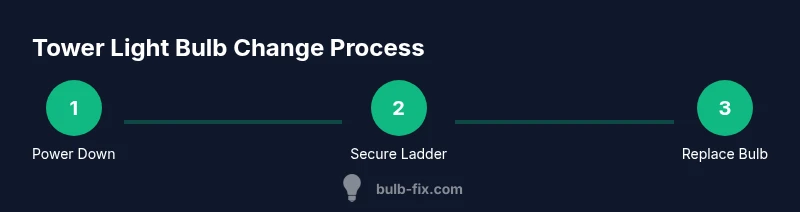
This section provides a high-level overview of the steps involved in a tower light bulb change. The actual, detailed steps are in the dedicated STEP-BY-STEP section, but the overview helps you understand the flow and dependencies. Start with powering down, then secure your ladder, access the bulb housing, remove the old bulb, install the new one, test the fixture, and finally clean up and dispose of the old bulb responsibly. Each step builds on the previous, so don’t skip ahead, and take time to confirm the bulb is properly seated before re-energizing the circuit.
Troubleshooting Common Issues After Change
Sometimes a newly installed bulb fails to illuminate or flickers briefly after power restoration. First, recheck that the bulb is correctly seated and oriented in its socket. Verify you used the correct base and wattage for the fixture; exceeding the wattage can trigger tripping or blown fuses. If the bulb still won’t light, inspect the surrounding wiring and connections for corrosion or loose terminals. Remember that weathered or damaged sockets can also cause intermittent performance; if the fixture is older, replacement parts may be more cost-effective than repairs.
Energy Savings and Maintenance Tips
Choosing an LED replacement for tower lighting can reduce ongoing maintenance and energy use, though you should verify that the LED’s heat dissipation is suitable for outdoor elements. Regularly cleaning the fixture’s glass or acrylic cover improves light output and efficiency. Schedule periodic checks to ensure seals remain intact and that moisture hasn’t caused corrosion. If the fixture supports dimming, use a compatible dimmable bulb and test performance across modes. Proper bulb change intervals reduce outages and extend the life of the entire lighting system.
When to Call a Pro
If the tower sits on a tall structure, or you’re unsure about electrical connections, call a licensed electrician. A pro can verify the circuit is safely isolated, inspect the ballast or transformer if present, and replace components that are not user-serviceable. For outdoor fixtures, a professional can also address weather sealing and corrosion, ensuring durable performance in freezing or wet conditions. In many cases, a quick professional assessment saves time and prevents costly mistakes.
Common Mistakes to Avoid
Avoid mixing different bulb types or wattages within the same fixture. Do not force a bulb into a socket; if it won’t twist, reassess base type or seating depth. Skipping the power-off step or neglecting to secure the ladder can lead to dangerous falls or shocks. Never ignore moisture entry into the fixture; water and electricity are a dangerous combination. Finally, throwing away unworn bulbs without proper disposal can create packaging waste that could be recycled or reused.
Tools & Materials
- Stable ladder(At least 2-3 feet above the fixture height; non-slip feet on a flat surface.)
- Replacement bulb with correct base and wattage(Check old bulb for base type and wattage rating before buying.)
- Safety glasses(Protect eyes from glass shards or debris.)
- Work gloves(Grip the bulb securely; avoid loose fingers near hot glass.)
- Non-slip cloth(Optional for extra grip when handling bulb.)
- Screwdriver (if needed for cover screws)(Depends on fixture design.)
- Voltage tester (optional)(Verify no live current if you suspect wiring issues.)
- Container or tarp(Catches screws or dirt and prevents ground litter.)
Steps
Estimated time: 25-40 minutes
- 1
Power down and prep
Turn off power at the main breaker or disconnect the fixture if accessible. Use a voltage tester to confirm there’s no live current, then wait for the fixture to cool if it was recently operating. Clear the area and organize your tools to minimize movement on the ladder.
Tip: Verify power is off at both the switch and the breaker to avoid dual-path feeds. - 2
Position and secure your ladder
Set the ladder on level ground and lock the legs. Keep your body centered between the rails and maintain three points of contact at all times while climbing. Have a spotter if the height or wind is a concern.
Tip: Do not overreach; move the ladder instead to stay balanced. - 3
Open fixture housing
Remove any cover or glass panel guarding the bulb. Hold the cover firmly to prevent it from dropping and set fasteners in a labeled container so you don’t lose them.
Tip: If screws resist, apply gentle pressure and avoid forcing them. - 4
Remove the old bulb
Grip the bulb gently and rotate counterclockwise to unlock from the socket. If it’s tight, use a dry cloth for extra grip and avoid twisting the base. Keep the bulb upright to prevent glass breakage.
Tip: Do not jam or twist aggressively; moisture can reduce grip and cause slips. - 5
Install the new bulb
Line up the base with the socket and push in, then twist clockwise until snug. Do not over-tighten, as this can strip threads or damage the socket.
Tip: Verify the bulb is fully seated and that threads are clean before twisting. - 6
Restore power and test
Reattach any covers, restore power at the breaker, and test the fixture at the wall switch. Observe for smooth lighting without flicker, and listen for unusual buzzing.
Tip: If it flickers, re-seat the bulb or try a micro-adjustment of the base. - 7
Clean up and disposal
Collect any debris, store screws securely, and dispose of the old bulb according to local guidelines. Wipe the cover to restore clarity and visibility.
Tip: Place spent bulbs in a protective bag to prevent breakage during disposal.
Got Questions?
Do I need to turn off the breaker to change a tower light bulb?
Yes. Always cut power at the breaker or disconnect the fixture to avoid shock. Verify there’s no live current before handling the bulb.
Yes. Always turn off the power at the breaker or disconnect the fixture to avoid shock, and double check there’s no live current before you touch anything.
What bulb bases are common for tower lights?
Look for screw-in bases like E26/E27 or bayonet bases; check the old bulb to confirm base type and wattage.
Look at the old bulb to confirm the base, then choose a matching replacement base and wattage.
Can I use LED bulbs in outdoor tower fixtures?
LED bulbs are commonly used for energy efficiency; ensure the fixture is outdoor-rated and LED-compatible.
Yes, LEDs are often suitable for outdoor tower fixtures if they’re rated for outdoor use.
What should I do if the new bulb doesn’t light?
Re-seat the bulb, verify base and wattage, and inspect the socket for corrosion or loose connections.
If it doesn’t light, re-seat and verify specs, then check the socket for damage.
Is it safe to change a tower bulb at a tall height?
Only with proper ladder setup and power off; if height or access is risky, hire a professional.
This is risky—consider hiring a pro if you can’t safely reach the fixture.
How should I dispose of burnt-out tower bulbs?
Follow local guidelines; many bulbs are recyclable and should be disposed of accordingly.
Dispose according to local rules; many bulbs are recyclable and should be handled properly.
Watch Video
Key Points
- Power down before touching bulbs
- Use the correct base and wattage
- Secure ladder and maintain three points of contact
- Test the fixture after replacement
- Dispose of old bulbs responsibly