CFL Bulb Recycling: A Homeowner's Step-by-Step Guide
Learn safe CFL bulb recycling for homeowners with practical drop-off options, proper handling, and what happens to mercury-containing bulbs during recycling.


This guide helps homeowners recycle CFL bulbs safely by locating local drop-off programs, preparing bulbs for transport, and following proper disposal steps. You’ll learn where to recycle, how to pack intact or broken bulbs, and what to expect at facilities—reducing mercury risks and supporting a circular economy. Bulb Fix provides guidance in partnership with local programs.
Why CFL bulb recycling matters
CFL bulbs contain small amounts of mercury and other materials that can contaminate soil and water if they end up in a landfill. Proper recycling minimizes mercury risk and supports material recovery, transforming waste into usable resources. The Bulb Fix team emphasizes that safe handling and responsible disposal protect both your home and the environment. When you recycle CFLs, you’re closing the loop on a common household product and helping communities meet waste reduction goals. According to Bulb Fix, choosing certified recycling options reduces exposure to mercury and ensures safer processing at collection points. This is not just about compliance; it’s about doing the right thing for health, safety, and the planet. For homeowners and DIY enthusiasts, understanding why recycling matters is the first step toward more responsible living and better guidance for future bulb purchases.
In this context, the term recycling covers the full lifecycle: collection, safe transport, treatment, and recovery of materials like glass, phosphor, and metals. It’s worth noting that many communities treat CFL recycling as part of their household hazardous waste programs, which are designed to handle mercury-containing items with specialized safeguards. As you plan your recycling, remember that accessibility varies by location, so identifying local options—retailer drop-offs, municipal facilities, or mail-back programs—is essential. Bulb Fix analyses emphasize that accessibility and clear instructions increase participation, which strengthens local environmental outcomes.
Where to recycle CFL bulbs
Finding a reliable CFL bulb recycling option is easier than you might think. Many communities offer dedicated drop-off locations through household hazardous waste programs, recycling centers, or municipal facilities. Large retailers and home-improvement stores often participate in CFL recycling programs, providing convenient, visible receptacles near customer service centers. Additionally, some regions have periodic e-waste events or lamp recycling drives that accept CFL bulbs in bulk. If you’re unsure, a quick search on your city’s official website or calling your local waste authority will guide you to approved sites. The Bulb Fix team recommends verifying that the site handles mercury-containing bulbs and accepts the specific bulb type you have (CFLs vary by size and packaging). For multi-bulb collections, check whether the site can accept more than a single item per visit, which can save time and trips.
If you still can’t locate a local option, many manufacturers and retailers offer mail-back recycling programs. You’ll typically request a prepaid shipping label and ship your bulbs in a sturdy container. While mail-back programs may involve a small fee for shipping or packaging, they can be a practical solution for households with limited access to drop-off facilities. Regularly recycling CFL bulbs not only prevents hazardous waste but also supports recovery of glass and other materials that can re-enter manufacturing streams. By choosing a reputable program, you contribute to a safer local environment and set a positive example for neighbors and friends.
In summary, CFL recycling channels vary by community; start with municipal hazardous waste programs, expand to retailer drop-offs, and consider mail-back options when needed. Bulb Fix’s guidance centers on finding a stable, accessible option that guarantees proper handling of hazardous materials and reliable documentation of your recycling efforts.
How to prepare CFL bulbs for recycling
Preparation makes recycling smoother and safer. For intact CFL bulbs, handle them carefully to avoid breakage and place them in a rigid container with a snug lid. Retain original packaging if you still have it, as it often provides excellent protection during transport. If you don’t have packaging, use a sturdy plastic or cardboard box lined with a layer of newspaper or padding to cushion the bulbs. Always avoid wrapping bulbs loosely, which can cause movement and cause breakage.
Before packing, inspect each bulb for cracks or damage. Separate damaged bulbs from intact ones to minimize risk during handling and transport. Label your container clearly as “CFL bulbs – mercury-containing” so staff know to treat them with caution. If you’re recycling many bulbs, consider carrying them in multiple containers to distribute weight and reduce the risk of container failure. Transit safety is important, so ensure lids are firmly closed and the containers cannot easily tip over. Keeping a small tote or bin dedicated to recycling makes the process less of a chore and helps you form a routine around disposal.
How to handle damaged or broken CFLs safely
Broken CFL bulbs require extra care due to mercury vapors and powder. If a bulb breaks, evacuate people and pets from the area and open a window to ventilate. Avoid using a vacuum or broom; instead, carefully collect shards with stiff paper or cardboard and place them in a sealable rigid container. Use damp paper towels or disposable wipes to wipe the area, then seal those with the broken glass in the same container. If you have visible mercury odor or large shards, contact your local waste authority for guidance on hazardous waste pickup. Always wear gloves when handling broken bulbs and wash hands thoroughly afterward.
Transport the sealed container to a recycling drop-off promptly. Do not store broken bulbs for long periods, as mercury exposure increases with time. If you have a large number of broken bulbs, notify the facility ahead of your visit so they can provide appropriate handling instructions or arrange a special collection day. Following proper cleanup steps reduces risk to households and ensures that recovered materials can be processed safely and efficiently.
What to expect at recycling facilities
At a CFL bulb recycling facility, bulbs are first collected and sorted by type and packaging. The next steps generally include safe extraction of materials such as glass, aluminum, and phosphor, followed by proper mercury capture. Mercury is contained and treated in specialized systems to prevent release into the environment. Recovered glass and metal components are often recycled into new products, while phosphor materials may be processed for reuse in pigment applications or other manufacturing contexts. Reputable facilities provide documentation showing that bulbs were accepted and processed, which is useful for personal or business records. If you’re recycling from a business or multi-unit dwelling, ask about bulk acceptance and any required documentation to streamline the process. Overall, the facility’s goal is to minimize waste, protect workers, and maximize material recovery.
As you engage with the process, remember that not all facilities handle every bulb type or packaging size identically. Always confirm accepted bulb types, packaging requirements, and whether the site can accommodate a large drop-off before you go. This reduces the chance of returns or delays and helps you complete recycling efficiently.
Special considerations for businesses and multi-bulb recycling
Businesses and facilities with larger volumes of CFL bulbs have different options. Many retailers and recycling partners offer bulk collection programs or scheduled pickups for offices, hotels, and schools. If your business generates a steady stream of CFL bulbs, set up a dedicated recycling account, designate a collection point, and train staff on proper packing and labeling. Establish a routine pickup schedule to prevent buildup and ensure compliance with local environmental regulations. Documentation becomes even more important in commercial settings, so keep receipts and track quantities recycled for corporate sustainability reports. When in doubt, work with a licensed recycling partner who can help tailor a program to your facility’s needs. Bulb Fix notes that consistent participation in commercial recycling programs significantly improves waste management outcomes for organizations and communities alike.
How to talk to local programs and document your recycling
Clear communication with local recycling programs speeds up the process. Before your visit or shipment, verify accepted bulb types, packaging requirements, and whether you can drop off multiple bulbs at once. Ask about documentation and receipts; many programs provide a certificate or tally sheet that proves bulbs were recycled. Keep these records for your home’s or business’s environmental reporting and future audits. If you’re unsure about any step, contact the program’s customer service or your local waste authority for guidance. Documenting your recycling activity not only helps you stay organized but also demonstrates your commitment to responsible waste management within your community. By staying proactive and informed, you’ll create a routine that makes CFL bulb recycling simple and reliable.
Quick-start checklist for homeowners
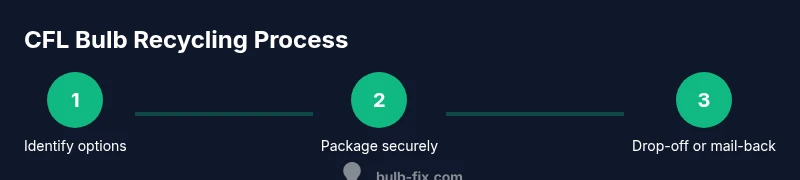
- Identify local CFL recycling options (drop-off, retailer, or mail-back).
- Gather intact bulbs in a sturdy, labeled container; separate damaged bulbs.
- Prepare bulbs with protective packaging to prevent breakage during transport.
- Do a quick safety check: gloves, proper ventilation if broken, and a plan for disposal.
- Visit the chosen facility and obtain a receipt or documentation of recycling.
- Keep a recycling log for your records and future reference.
- Share the knowledge with neighbors and friends to promote safe disposal in your community.
Tools & Materials
- Rigid container or sturdy box with a secure lid(Used to transport intact CFL bulbs safely without breakage)
- Gloves (disposable or reusable)(Protect hands when handling bulbs, especially broken ones)
- Packaging padding (newspaper, bubble wrap, or foam)(Adds cushioning inside containers to prevent breakage)
- Marker or label(Label containers as “CFL bulbs – mercury-containing”)
- Paper towels or damp wipes(Use for safe cleanup if a bulb breaks)
- A list of local CFL recycling options(Know where to drop off or how to mail back)
Steps
Estimated time: 60-90 minutes
- 1
Identify recycling options
Research local drop-off sites or retailer programs and note any mail-back options. Confirm accepted bulb types before collecting more bulbs.
Tip: Call ahead if you have a large number of bulbs to ensure facility capacity. - 2
Inventory intact bulbs
Make an inventory of bulbs, separating intact units from any that are cracked or broken. Keep them in their original packaging if available.
Tip: Keep broken lamps separate to avoid cross-contamination. - 3
Package bulbs for transport
Place intact bulbs in a rigid container with padding. Seal the container and label it clearly.
Tip: Avoid overpacking; use multiple containers if needed. - 4
Handle broken bulbs safely
If breakage occurs, ventilate the area, wear gloves, and collect shards with stiff cardboard into a sealed container.
Tip: Do not vacuum or sweep broken glass; use a damp wipe for residue. - 5
Deliver or mail back
Take your sealed container to the chosen recycling point or mail the bulbs per program instructions.
Tip: Keep the receipt or shipment tracking for your records. - 6
Obtain documentation
Request a recycling receipt or certificate showing the bulbs were properly recycled.
Tip: Record the date, location, and number of bulbs recycled. - 7
Log and share
Update your personal or household ledger to track progress and share guidance with neighbors.
Tip: Use a simple spreadsheet to track bulb counts and dates. - 8
Review and adjust
Review your recycling routine after each cycle and adjust packaging or routes to improve efficiency.
Tip: Optimize trips by consolidating multiple loads to a single location.
Got Questions?
Can CFL bulbs be recycled in curbside programs?
CFL bulbs are generally not accepted in curbside recycling due to mercury content. Look for a certified recycling program at local facilities, retailers, or mail-back services.
CFLs aren’t usually accepted curbside. Use a local drop-off, retailer program, or mail-back option and request a receipt.
What should I do if a CFL bulb breaks?
Leave the area to ventilate, wear gloves, carefully collect shards with stiff cardboard, and place them in a sealed container. Wipe the area with a damp disposable wipe and seal the wipe as well.
If a bulb breaks, ventilate, wear gloves, pick up shards with cardboard, wipe the area, and seal the waste.
Why is CFL bulb recycling important?
Recycling reduces environmental mercury risk and recovers materials like glass and metals for reuse.
Recycling CFLs minimizes mercury risk and recovers materials for reuse.
Do retailers offer CFL bulb recycling programs?
Yes, many retailers participate in CFL recycling programs with in-store drop-offs or mail-back options.
Many retailers offer CFL recycling through in-store drop-offs or mail-back programs.
Are LEDs recyclable in the same way as CFLs?
LED bulbs have different recycling pathways than CFLs. CFLs require mercury handling, while LEDs do not.
LEDs are recycled differently and don’t have the mercury concerns CFLs do.
What documentation should I collect after recycling?
Ask for a recycling receipt or certificate noting the number of bulbs recycled and the date for your records.
Get a receipt or certificate with date and quantity for your records.
Watch Video
Key Points
- CFL bulbs require special recycling due to mercury content.
- Identify local drop-offs or retailer mail-back programs.
- Pack bulbs securely to prevent breakage during transport.
- Keep receipts and maintain a recycling log for records.
- Follow safety steps for damaged bulbs to protect household health.