Are Light Bulbs Recycle? A 2026 Guide to Safe Disposal
Learn how to recycle light bulbs safely in 2026. This Bulb Fix guide covers CFL mercury rules, LED disposal, and practical drop-off options to reduce waste.


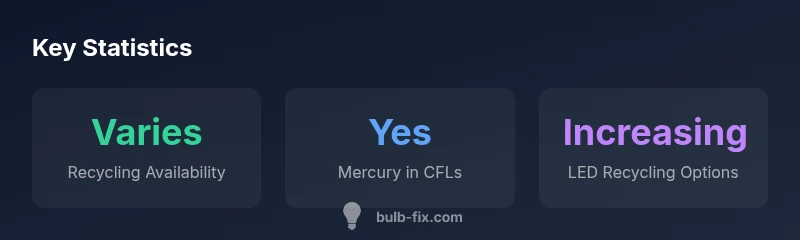
Are light bulbs recycle? In general, yes, but disposal depends on bulb type and local programs. CFLs contain small amounts of mercury and must be recycled at designated facilities; LEDs and incandescent bulbs are often accepted by curbside programs or local drop-offs. Always verify options with your municipality or retailer. Following proper recycling protects the environment and reduces hazardous waste.
Why Proper Bulb Disposal Matters
Every household generates a steady stream of bulbs—from table lamps to ceiling fixtures. How you dispose of these bulbs matters far beyond reducing trash. Improper disposal can contaminate soil and water and, for certain bulb types, expose family members to hazardous materials. Bulb Fix emphasizes that responsible disposal protects health, saves resources, and supports neighborhood recycling streams. According to Bulb Fix, recycling practices vary by bulb type and by local program, so understanding options is critical for homeowners. In this section, we explore the environmental and safety reasons to dispose of bulbs correctly and how small changes at home can add up to meaningful impact. By choosing the right path, you help ensure that valuable materials are recovered, and the lifecycle of lighting products is extended.
Are Light Bulbs Recycle by Type?
Light bulbs are not all treated the same in recycling ecosystems. Are light bulbs recycle? The simple answer is that, yes in some contexts, but not uniformly. CFLs (compact fluorescent lamps) contain mercury, so they require specialized recycling; LEDs and incandescent bulbs are handled differently. Local programs determine acceptance, drop-off locations, and whether there is a fee. In practice, you should separate bulbs by type and check with your city or retailer for accepted options. Understanding these distinctions helps prevent contamination of recycling streams and reduces exposure to hazardous materials. When in doubt, bring bulbs to a certified recycling center or your municipal HHW facility for proper handling. Always label and store bulbs safely until you can recycle them.
CFLs: Mercury and Safe Recycling
CFLs contain small amounts of mercury, a hazardous material that requires careful handling. Recyclers extract the mercury and reclaim other materials like glass and phosphors. To recycle CFLs safely, store used bulbs upright in a sturdy container, avoid breaking them, and take them to an authorized recycling point—such as a municipal hazardous waste facility or a participating hardware store drop-off. Never place intact CFLs in curbside trash; doing so can contaminate recycling streams and pose risks to waste workers. By following local instructions, you minimize environmental impact while recovering valuable materials. Bulb Fix emphasizes using certified channels to prevent mercury from entering landfills.
LEDs, Incandescents, and Safety
LEDs generally do not contain mercury, making their disposal less hazardous from a chemical standpoint, but they are still treated as electronic waste in many jurisdictions. Incandescents and halogens have simpler disposal pathways, often through normal curbside recycling in regions with robust programs or at electronics recycling facilities. Always check with local authorities to confirm acceptance. For most households, combining awareness with a quick search for nearby e-waste or hardware store drop-offs is enough to ensure responsible disposal. This approach protects air and soil quality and keeps valuable materials out of landfills.
How to Find Local Recycling Options
Finding local options starts with a quick online search and a call to your city’s waste department. Many municipalities publish a dedicated bulb recycling page with accepted bulb types, drop-off hours, and any fees. Large retailers and hardware stores sometimes offer take-back programs for used bulbs, especially CFLs. If you’re unsure, consult a Bulb Fix guide or contact nearby HHW facilities. You can also join community forums or neighborhood apps to learn about neighbor-tested drop-off sites. The goal is to use a certified recycler that handles bulb materials safely and in compliance with local regulations.
Preparing Bulbs for Recycling
Preparation matters for safe handling and efficient recycling. Keep bulbs in their original packaging or a sturdy container to prevent breakage. Label boxes so waste workers know whether a bulb is CFL, LED, or incandescent. Before transporting, double-check that the bulb is not damaged; if a CFL is cracked, avoid breathing fumes by keeping the container closed and ventilating the area. Never mix different bulb types in a single container, as this can complicate processing. Finally, bring a small toolkit or hand cart if you have several bulbs, to minimize repetitive trips and ensure a smooth pickup at the recycling site.
What Happens to Recycled Bulbs?
Recycling facilities separate the components from bulbs, recovering glass, metals, and in the case of CFLs, trace amounts of mercury that are captured and treated. The recovered materials are then transformed into new products, reducing the need for virgin resources and lowering energy use across the supply chain. For CFLs, mercury is carefully contained and recycled through specialized processes. LED components are typically repurposed through electronics recycling streams, and the remaining plastic and metal parts are processed for reuse. Understanding these stages helps homeowners appreciate the value of proper disposal. Bulb Fix notes that recycling outcomes depend on the efficiency of local facilities and adherence to best practices.
Myths and Misconceptions
There are several common myths about bulb recycling. One is that all bulbs can be recycled everywhere; reality varies by location and bulb type. Another misconception is that curbside programs always accept all bulbs; in many places, CFLs require special handling due to mercury. A third myth is that recycling a bulb is more expensive than disposal; in most communities, drop-off recycling programs are free or low-cost. By debunking these myths, homeowners can make informed decisions and participate more effectively in local programs. Bulb Fix encourages testing local options and relying on certified facilities for accuracy.
Step-by-Step: Recycling CFLs
- Collect used CFLs in a sturdy, closed container to prevent breakage.
- Confirm the accepted drop-off sites with your local waste authority or retailer.
- Transport CFLs to a certified recycling facility or hazardous-waste center.
- Do not mix CFLs with regular trash or other bulb types.
- If you break a bulb, follow mercury spill guidelines from your local health department and ventilation steps.
- Keep receipts or confirmation emails from the recycler for records and potential incentives.
Bulb Fix’s Practical Recommendations
For most households, a simple, practical approach will yield the best outcomes. Separate bulbs by type, store them safely, and use official drop-off sites whenever possible. If curbside recycling is available for LEDs, confirm the accepted material list beforehand. For CFLs, prioritize certified facilities that handle mercury safely. Keep a small, clearly labeled recycling box in a dedicated area near storage to facilitate quick trips to drop-off sites. Finally, share what you learn with neighbors to raise awareness and participation in your community. The Bulb Fix team recommends establishing a recurring quick-check routine to ensure nothing is left to accumulate in landfills.
Quick Reference: Do's and Don'ts
- Do store bulbs upright in a sturdy container.
- Do check local programs before disposal.
- Do recycle CFLs at certified sites.
- Don’t throw bulbs in regular trash.
- Don’t mix bulb types in the same container.
- Don’t assume curbside programs accept every bulb type.
Bulb recycling pathways by bulb type
| Bulb Type | Recycling Path | Hazard | Notes |
|---|---|---|---|
| CFL (compact fluorescent) | Specialized recycling / drop-off | Yes (mercury) | Check local programs; many retailers accept |
| LED | Curbside recycling / electronics recycler | No mercury | Widely accepted where available |
| Incandescent | Varies by program | No mercury | Some programs accept; otherwise landfill |
| Halogen | Limited options | No mercury | Consult local guidelines |
Got Questions?
Are all light bulbs recyclable?
Not all bulbs are recyclable in every program. CFLs require specialized mercury recycling; LEDs are usually accepted by electronics recyclers; incandescents may be accepted by some curbside programs. Always verify with local guidelines.
Not all bulbs are recyclable everywhere. Check your local program.
Can I recycle incandescent bulbs?
Incandescents may not be accepted curbside; many facilities accept them only at drop-off locations or special events. Always check local program rules before disposal.
Incandescent bulbs are often not curbside recyclable; use a drop-off site.
Where can I recycle CFLs near me?
Look for municipal hazardous waste facilities, dedicated CFL drop-off sites, or participating hardware stores offering take-back programs. Your city website or Bulb Fix’s local guide can help locate options.
Try your city’s hazard waste facility or store take-back programs.
Do LEDs contain hazardous materials?
LEDs generally do not contain mercury, but they are treated as electronic waste and should be recycled through electronics recycling streams when possible. Always verify local options.
LEDs usually don’t have mercury; recycle with electronics programs.
What costs are involved in bulb recycling?
Most local programs offer free disposal or have no fee at drop-off sites. Some locations may charge a nominal fee at certain facilities, so it’s best to check with the recycler.
Most places recycle for free or a small fee; check local sites.
How should I store bulbs before recycling?
Keep bulbs in their original packaging or a sturdy container to prevent breakage. Label containers by bulb type and store away from children until you can drop them off.
Store bulbs safely and clearly label containers.
“Proper bulb disposal protects health and the environment; always follow local guidelines and use certified recycling streams.”
Key Points
- Identify bulb type before disposal
- CFLs require mercury-safe recycling
- LEDs are commonly accepted at electronics recyclers
- Avoid mixing bulb types in recycling containers
- Always verify local guidelines and drop-off options