Can you throw light bulbs in the trash? A practical disposal guide
Discover safe, legal disposal options for all common light bulbs. Learn why trashing bulbs is often wrong, how to recycle CFLs, LEDs, incandescents, and halogens, and where to find local programs.


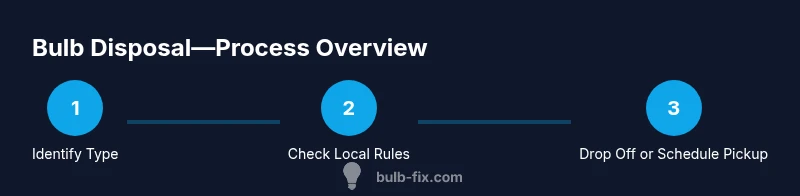
Disposing bulbs in the trash is not recommended for most bulb types. CFLs and other bulbs containing hazardous materials should be recycled or placed in a designated collection program. The quicker takeaway: avoid regular trash, check your local guidelines, and use a recycling or hazardous-waste drop-off for safe disposal.
Can you throw light bulbs in the trash? Why proper disposal matters
The short answer is: not always. Many households ask, can you throw light bulbs in the trash, and the answer depends on bulb type and local regulations. Bulbs like CFLs contain small amounts of mercury and must be handled in a way that prevents mercury exposure or environmental contamination. LED and incandescent bulbs may be accepted by some curbside programs, but others require recycling. By treating bulbs as recyclable or hazardous waste when indicated, you reduce the risk of mercury release, glass breakage, and litter in landfills. According to Bulb Fix, the safe disposal of bulbs is not just about compliance—it protects water, soil, and the people who handle waste. Bulb Fix Analysis, 2026 highlights that following local disposal guidelines minimizes environmental impact and helps cities meet recycling goals.
Understanding bulb disposal by type and why it matters
Bulbs differ in composition and disposal requirements. CFLs (compact fluorescent lamps) contain mercury, a hazardous material that demands careful handling and proper recycling. LEDs are energy-efficient and often accepted by many recycling programs, but they still should be recycled where possible to recover valuable materials. Incandescent and halogen bulbs have less hazardous content but produce glass and metal waste; most programs encourage recycling or safe disposal to prevent contamination and waste streams from ending up in landfills. The overarching principle is to separate bulbs by type and follow local guidance for recycling, hazardous waste collection, or household hazardous waste (HHW) days. This separation protects groundwater and reduces the environmental footprint of lighting.
What to do before disposal: a quick checklist
Before heading to a drop-off site, gather each bulb type separately, confirm whether your city accepts curbside disposal for that type, and prepare a safe transport plan. Label containers clearly and avoid crushing or breaking bulbs. If a bulb breaks, follow safety steps to minimize mercury exposure and handle cleanup with care. By organizing bulbs beforehand, you speed up disposal and minimize risk to family members and waste workers. Bulb Fix emphasizes that preparation reduces the chance of accidents and streamlines recycling processes for municipalities.
Safe handling and preparation: practical steps
Handling bulbs safely starts with personal protective equipment and clean controls. Wear gloves when handling a bulb, avoid applying excessive force, and wrap fragile bulbs in a sturdy container or old towel to prevent breakage during transport. Use rigid, sealed containers for broken or cracked bulbs, and never place them loose in a trash bag. When in doubt about the type, treat the bulb as if it contains hazardous materials until you confirm local guidelines. This conservative approach keeps families safe and waste streams intact.
Local options: curbside pickup, drop-off centers, and HHW events
Not every community offers the same disposal options. Some municipalities allow CFLs and LEDs in curbside recycling, while others require drop-offs at HHW facilities. In many regions, fluorescent tubes, CFLs, and certain LEDs have dedicated collection programs. Always check your city’s official waste services website or call the waste hotline to confirm accepted bulb types and hours. Bulb Fix notes that local programs vary widely, so a quick call or website check saves time and prevents mis-sorted waste.
What not to do: common mistakes to avoid
Do not put bulbs in the regular trash if your area prohibits it, especially CFLs with mercury. Do not crush or rub bulbs, which can release glass shards or mercury vapors if broken. Do not wrap bulbs loosely in cardboard or trash bags; improper packaging can cause leaks or injuries. Avoid attempting DIY recycling through home methods that require specialized equipment. Following proper disposal channels keeps contamination low and recycling rates high.
A practical disposal mindset for households
Adopt a routine: identify bulb types, store them in labeled containers, and schedule recycling or HHW drop-offs every few months. Keeping a small, dedicated box near the recycling bin makes it easy to collect bulbs as they are replaced. This habit lowers the risk of mixing materials and ensures you’re following local guidelines. The Bulb Fix team encourages households to integrate bulb disposal into their regular recycling routine, turning a tedious task into a simple, repeatable habit.
Tools & Materials
- Gloves(Use protective gloves when handling bulbs, especially broken ones)
- Sturdy transport container(Rigid box or metal bin with a secure lid, labeled 'Bulbs')
- Duct tape or strong packing tape(Seal cracked bulbs and secure packaging)
- Old towels or cushioning material(Wrap fragile bulbs to prevent breakage)
- Marker and labels(Label containers by bulb type (CFL, LED, incandescent))
- Local recycling drop-off contact(Have the address or hours handy for quick drop-off)
Steps
Estimated time: 15-30 minutes
- 1
Identify bulb types
Separate CFLs, LEDs, incandescent, and halogen bulbs. If unsure, treat as mixed waste and check local guidelines for disposal categories. This helps you choose the correct receptacle and reduces handling errors.
Tip: If a bulb is intact, keep it whole; don't mix with other types in the same container. - 2
Collect and prepare
Gather bulbs in their own labeled containers or bags. Ensure lids seal securely to prevent spills; wrap broken bulbs in towels or cushioning material before placing in a rigid container.
Tip: Label clearly to avoid confusing CFLs with LEDs at the drop-off site. - 3
Check disposal rules
Visit your city or county wastewater or solid waste website to confirm whether curbside recycling accepts bulbs and what to do with CFLs or fluorescent tubes.
Tip: If rules are unclear, call the local waste authority. It saves time and avoids mis-sorted materials. - 4
Package safely for transport
Use a sturdy container with a lid. Avoid loose bags and ensure fragile bulbs cannot roll or break during transit.
Tip: Keep bulks together but separated by type to prevent cross-contamination. - 5
Transport to disposal site
Take bulbs to the approved drop-off location or schedule a curbside pickup if available. Keep receipts or confirmation numbers if the site provides them.
Tip: Do not mix household trash with bulbs. Use dedicated collection points whenever possible. - 6
Verify disposal confirmation
If the site issues a receipt or confirmation, keep it for your records. This helps with accountability and recycling tracking.
Tip: Take a photo of the container before drop-off as a keepsake of proper disposal.
Got Questions?
Can you throw incandescent bulbs in the trash?
In many areas, incandescent bulbs can be recycled or disposed of with regular household waste, but rules vary. Check local guidelines to ensure proper disposal and avoid illegal dumping. If recycling options exist, using them reduces landfill use and resource waste.
Incandescent bulbs are often accepted in regular trash where allowed, but some municipalities offer recycling options. Always verify local rules to dispose of them responsibly.
Are CFLs considered hazardous waste?
Yes. CFLs contain mercury and must be disposed of through proper recycling or HHW programs. Do not put them in regular trash where prohibited, and follow local collection guidelines to protect health and the environment.
Yes. CFLs contain mercury and require proper recycling or disposal through approved programs.
Can LED bulbs be recycled?
Most communities accept LED bulbs for recycling, but programs vary. Check with your local waste authority to confirm accepted bulbs and recycling steps, since LEDs contain valuable materials that can be recovered.
LEDs are commonly recyclable, but you should verify local options.
What about fluorescent tubes?
Fluorescent tubes require special handling due to higher mercury content. Use dedicated recycling programs or HHW facilities that explicitly accept fluorescent lamps and tubes.
Fluorescent tubes need special recycling—check your HHW center.
How do I dispose of broken bulbs safely?
If a bulb breaks, evacuate the area, ventilate for a short period, and carefully collect shards with stiff paper or cardboard. Place all fragments in a sealed container and recycle according to local rules. Avoid vacuuming to prevent spreading dust.
First, evacuate, then carefully collect with stiff paper, seal, and recycle per local rules.
Are there mail-back programs for bulbs?
Some programs offer mail-back recycling for specific bulb types, but availability varies by region. Check with local programs or manufacturers for any mail-back options.
Some programs offer mail-back recycling; check local options.
Watch Video
Key Points
- Disposal rules vary by bulb type and location
- CFLs and mercury-containing bulbs require special handling
- Label, bag, and transport bulbs safely to approved sites
- Check local HHW programs for best disposal options