Dispose Light Bulb: Safe Recycling and Disposal Guide
Learn safe, practical steps to dispose light bulbs, including CFLs, LEDs, and incandescent types. Find local recycling options, avoid hazards, and protect your environment with Bulb Fix.


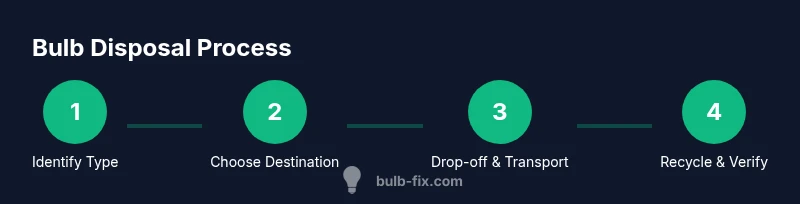
Dispose light bulbs safely by first identifying the bulb type, then choosing the correct disposal path. CFLs and fluorescent tubes usually require recycling or hazardous-waste drop-off, while LEDs and incandescent bulbs can often be recycled where available or disposed with regular waste as allowed by local rules. Always check your local guidelines and transport bulbs securely.
Why disposal matters
Bulbs power our homes, but when they burn out, the way we get rid of them matters. Improper disposal can release mercury from CFLs, or create microplastic waste from packaging, and it burdens landfills with hazardous materials. The environmental and health consequences ripple beyond your curb: workers handling trash, groundwater, and wildlife can be affected. According to Bulb Fix, safe disposal starts with recognizing that different bulb technologies require different end-of-life paths. The Bulb Fix team found that many households either treat all bulbs as generic trash or fail to separate hazardous waste, which reduces the effectiveness of local recycling programs. By understanding the rules and options, you contribute to a safer, cleaner environment for your community and future generations. Bulb Fix’s guidance emphasizes practical steps that are easy to adopt in daily life, from labeling containers to choosing the right drop-off point.
Bulb types and disposal options
Bulbs come in several technologies, and each has a distinct disposal pathway. Incandescent and halogen bulbs are the simplest to dispose of in many areas, but recycling options may still exist. LEDs are widely accepted by many recycling programs, though some jurisdictions treat them like general waste if no program exists. CFLs and fluorescent tubes contain small amounts of mercury, so they typically require recycling at a hazardous waste facility or specific curbside programs offered in certain regions. The Bulb Fix analysis shows that familiarity with these rules greatly reduces accidental improper disposal. Always verify with your local waste authority before discarding any bulb. Understanding the differences helps you route each bulb to the correct stream and minimizes environmental harm. Keeping a small, clearly labeled container at home for bulbs can simplify this task and prevent cross-contamination between waste streams.
Safe handling and prep before disposal
Before moving bulbs to disposal sites, prep is essential. Wear protective gloves and, if possible, eyewear to guard against breakage. Keep intact bulbs in their original packaging or wrap them in paper to protect the glass and prevent accidental cuts. For broken bulbs, do not sweep with a vacuum cleaner; instead, use stiff cardboard to lift fragments and place them in a rigid, sealable container. Seal the container and label it clearly so waste handlers know it contains broken glass and possible mercury. This preparation reduces spills, protects household members, and makes the drop-off process faster. The preparation step also keeps packaging neat, which makes collecting and transporting bulbs less messy for DIYers. Bulb Fix recommends a dedicated drop-off kit in your garage for quick disposal.
How to dispose by bulb type: CFLs, tubes, LEDs, and incandescent
CFLs and fluorescent tubes require recycling through certified programs or hazardous-waste facilities. If your area offers curbside recycling for CFLs, place them in a designated bag or container as directed by your municipality. LEDs are often recyclable at many centers, though not every program accepts them curbside; check local partners or retailer take-back options. Incandescent and halogen bulbs are frequently routed to standard domestic waste streams where disposal rules permit, but recycling programs do exist in many regions. Bulb Fix emphasizes using local guidelines to confirm accepted destinations. When in doubt, contact your local waste authority or hardware store for directions. The key is to treat each bulb according to its material composition and local policy, rather than discarding them together with general trash.
Finding local disposal options and programs
Many communities offer recycling or hazardous-waste drop-off sites for bulbs. Start with your city or county waste management portal, or use retailer take-back programs that accept bulbs. Some jurisdictions provide curbside pickup for CFLs or fluorescent tubes on specific collection days, while others require a dedicated facility visit. If you can’t locate a program quickly, call your municipal office or search for a nearby household hazardous waste (HHW) facility. In many cases, hardware stores and home-improvement centers partner with recyclers to provide convenient drop-off points. Bulb Fix suggests bookmarking your local program pages and noting holiday closures to avoid misplacing bulbs during busy seasons. Keeping a simple list of drop-off locations in your notes ensures you always know where to go when a bulb burns out.
What to do with leftover bulbs and long-term storage
After disposal, consider how you store spare bulbs. Store them in a cool, dry place away from direct sunlight to prolong shelf life. Use original packaging when possible to reduce the risk of breakage during storage. Label boxes clearly with bulb type to avoid confusion later. If you have a collection of bulbs from different fixtures, group them by type and keep them in separate, clearly marked containers. Regularly check your stock and rotate older bulbs to the front so you can dispose of the oldest items first. Preparedness reduces waste and makes future replacements smoother.
Common mistakes and how to avoid them
Common mistakes include tossing CFLs into regular garbage, not using a proper container for broken bulbs, or assuming curbside recycling accepts all bulb types. Improper disposal can release hazardous materials and contaminate recycling streams. To avoid these issues, always verify local guidelines, separate bulbs by type, and use a dedicated disposal kit for quick transport. The Bulb Fix team recommends educating household members about these rules to ensure everyone participates in responsible disposal. Establish a family routine for checking fixtures and replacing bulbs, and you will naturally reduce waste and exposure to hazardous materials.
Tools & Materials
- Safety gloves (nitrile or work gloves)(Protect hands from glass and mercury risks)
- Safety glasses(Eye protection in case of breakage)
- Sturdy, sealable container (rigid box or bucket)(For transporting broken bulbs securely)
- Wrap material (paper, bubble wrap)(Wrap intact bulbs and protect glass)
- Original packaging or label for bulbs(Helpful for storage and transport)
- Access to local disposal/recycling site information(Phone or internet for guidelines)
Steps
Estimated time: 30-60 minutes
- 1
Identify bulb type
Inspect the bulb label or packaging to determine whether it is incandescent, LED, CFL, or fluorescent. The disposal method depends on the type, especially CFLs and tubes which require special handling due to mercury. If the label is unclear, treat the bulb as hazardous and consult local guidelines before disposal.
Tip: Pro tip: If the bulb is part of a fixture, remove it carefully and place it in its packaging while determining disposal options. - 2
Gather your disposal kit
Put on gloves and glasses, and assemble your rigid container with wrap material. Gather a bag or box for intact bulbs and a separate container for broken shards. Keep everything nearby to avoid scrambling while finishing replacements.
Tip: Pro tip: Keep a dedicated bulb disposal kit in your garage or utility closet for quick access. - 3
Choose the disposal destination
For CFLs and fluorescent tubes, locate a certified recycling center or hazardous-waste drop-off. LEDs and incandescent bulbs often have multiple options, including retailer take-back programs or curbside recycling where available. Always verify acceptance with the facility or program.
Tip: Pro tip: Call ahead or check the municipal website to confirm accepted bulb types at the site. - 4
Handle broken bulbs safely
If a bulb breaks, do not vacuum. Carefully pick up shards with stiff cardboard, and wipe the area with damp paper towels. Place debris and cleanup materials in the rigid container and seal tightly.
Tip: Pro tip: Wear gloves and keep pets and children away during cleanup. - 5
Transport and drop off
Transport bulbs to the chosen destination in the labeled container, keeping it upright and secure. If you’re using curbside pickup, follow the program's packaging instructions. Retain any receipt or confirmation for your records.
Tip: Pro tip: Label the container clearly as 'Fragile Bulbs—Hazardous if Broken' to inform handlers. - 6
Document and store guidelines
After disposal, save your drop-off receipt and update your household disposal log. Note the lamp type and date to help future recycling decisions. Review upcoming bulb purchases to ensure ongoing compliance with local guidelines.
Tip: Pro tip: Set a reminder to check disposal guidelines annually, as programs may change.
Got Questions?
Can I throw LED bulbs in the regular trash?
LED bulbs are often recyclable, and some areas allow disposal with regular trash if there’s no local recycling option. Always verify with local guidelines before discarding.
LED bulbs may be recyclable; check local guidelines to confirm whether they can go in regular trash where you live.
Are CFL bulbs hazardous and how should I dispose of them?
Yes, CFL bulbs contain a small amount of mercury and require recycling or hazardous-waste drop-off. Do not throw CFLs in regular trash. Check local programs for proper disposal.
CFLs contain mercury, so recycle them or use a hazardous-waste drop-off. Do not trash them if your local rules require special handling.
What should I do if a bulb breaks?
Carefully contain the shards with stiff cardboard and a damp paper towel; place fragments in a rigid container and seal. Avoid vacuuming and ventilate the area briefly if needed.
If a bulb breaks, use cardboard to scoop up the shards, wipe with damp towels, and place everything in a sealed rigid container.
How can I find a local disposal or recycling program?
Use your local waste authority website or retailer take-back programs. If unsure, contact your municipal office for guidance on accepted bulb types and drop-off locations.
Check your city’s waste portal or ask a local store about bulb recycling options.
Is curbside recycling available for fluorescent tubes?
Availability varies by area. Some places offer curbside collection for CFLs or tubes, others require HHW facilities. Always verify with local programs.
Curbside options differ by location; check your local program to see if tubes or CFLs are accepted.
What should I do with bulbs from old fixtures?
Treat bulbs from fixtures by type: CFLs and tubes recycle or drop-off, LEDs and incandescents may have local options. Store safely until you dispose.
Bulbs from fixtures should be disposed according to their type; check local guidelines for the best option.
Watch Video
Key Points
- Identify bulb type before disposal.
- Avoid mixing bulbs in general waste.
- Use a rigid container for broken bulbs.
- Check local guidelines for disposal options.
- Recycle CFLs and tubes whenever possible.