How to Get Rid of Old Light Bulbs: A Practical Guide
Learn safe, practical steps to dispose of old light bulbs, including CFLs, LEDs, and incandescents. This guide covers local options, preparation, broken bulbs, and future-proofing your lighting purchases.


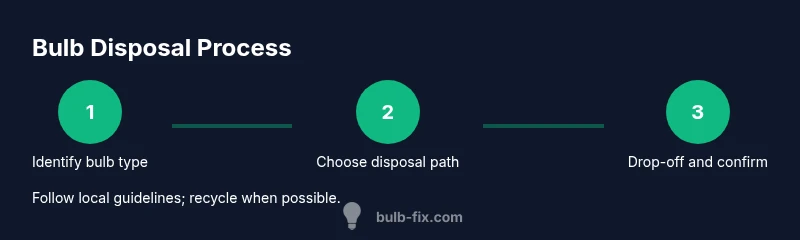
You can safely dispose of an old light bulb, including incandescent, CFL, and LED variants, by following local recycling rules. Gather a sturdy box or bag, protective gloves, and packing material, and transport the bulb to an appropriate recycling drop-off or hazardous waste facility. Always check your city or utility guidelines for curbside pickup availability and fees.
Why proper disposal matters
Proper disposal reduces environmental impact and protects household members from potential hazards. With CFLs containing trace amounts of mercury and LEDs containing electronic components, incorrect disposal can contribute to landfills and air pollution. According to Bulb Fix, taking bulbs to approved recycling or hazardous-waste centers ensures materials are recovered and kept out of the waste stream. Understanding local rules helps you avoid fines and makes a big difference for your home's safety and the planet. In most communities, disposal practices vary by bulb type and facility, so start by identifying the correct path for yours.
Key takeaway: disposals should prioritize recycling whenever possible and be mindful of local regulations.
Types of bulbs and disposal options
Bulbs come in several common families, and each has its own disposal path. Incandescent and halogen bulbs are often landfilled where allowed, but many communities now encourage recycling for the materials inside. CFLs contain mercury and require dedicated recycling to prevent exposure and environmental contamination. LEDs and other solid-state bulbs are generally recyclable, but many programs treat them as electronics. Always check with your local waste authority to confirm whether a bulb goes to curbside trash, e-waste, or a specialized recycling drop-off. If in doubt, bring it to a certified recycling center and request guidance. This reduces exposure risk and supports material recovery, which aligns with Bulb Fix's guidance on responsible disposal.
How to identify your local disposal options
Finding the right option starts with your city or county’s waste management resources. Begin by visiting your municipal website and searching for “bulb disposal” or “recycling.” If online information is unclear, call your local sanitation department or use the waste-management app or 311 service if available. Some areas run seasonal or permanent drop-off events specifically for hazardous waste or electronics; others offer curbside recycling for LEDs and fluorescent bulbs. Create a short checklist: bulb type, location, and the nearest drop-off date and time. This proactive approach minimizes mistakes and ensures compliance with safety rules.
How to prepare a bulb for disposal
Preparation reduces breakage and exposure risk. Wear gloves to protect your hands, and place the bulb in a sturdy container like a cardboard box or a rigid plastic tub. Wrap fragile bulbs in packing material (paper or bubble wrap) and seal the container with tape. If you’re transporting multiple bulbs, keep them upright and separate to prevent contact. Label the box clearly with the bulb type and destination (e.g., CFL recycling). Transport carefully, avoiding tight packing that could crack the glass. Keeping to these steps helps you move bulbs to the proper facility safely and efficiently.
What to do with broken bulbs
Broken bulbs require special care because debris and, in the case of CFLs, mercury, can pose inhalation and skin-contact risks. Do not touch broken glass with bare hands; scoop the pieces gently with stiff paper or cardboard and place them into a sealable container. Ventilate the area for a few minutes but avoid creating drafts that could spread mercury vapors (for CFLs). Place contaminated material (gloves, paper towels) into the same sealed container and wash your hands thoroughly. Take the container to the appropriate disposal site as soon as possible.
Recycling programs and pickup options
Many communities offer dedicated bulb recycling programs or take-back events for efficient material recovery. CFLs, LEDs, and other bulbs may be accepted at household hazardous waste facilities, retailers’ recycling kiosks, or municipal recycling centers. If curbside recycling is available, confirm the accepted bulb types and preparation requirements. Keep a small supply of bulbs ready for disposal so you aren’t caught scrambling at the last minute. By aligning with local programs, you support safer handling and higher recycling rates, a goal emphasized by the Bulb Fix team.
Practical steps you can take now
Start by locating your nearest bulb recycling option and saving the contact details. Create a dedicated disposal box in a garage or utility room where bulbs can be stored safely before disposal. Schedule a pickup or a drop-off day on your calendar to ensure you don’t miss the window. Consider standardizing your future purchases around longer-lasting bulbs (like LEDs) to reduce the frequency of disposal. Finally, track your disposal efforts for a few months to observe improvements in your household waste sorting and to celebrate the positive impact.
Do's and don'ts while disposing
Do: separate bulbs by type, transport in sturdy containers, and verify local rules before disposal. Don't: mix bulbs with regular trash, crush the bulbs, or store them near heat sources. Do not attempt to re-use broken bulbs. Don’t forget to keep a record of the disposal location for future reference. Always adhere to safety guidelines around mercury-containing bulbs and electronics and seek professional guidance if you encounter uncertain situations.
Final checklist for disposal day
- Confirm the bulb type and disposal path. - Gather the disposal box, gloves, and packing material. - Transport bulbs gently to the disposal site, keeping them upright. - Bring any packaging or labels required by the facility. - After disposal, clean the area if needed and wash hands. - Consider upgrading to LEDs to reduce future disposal frequency. Following this checklist makes disposal straightforward and compliant.
Tools & Materials
- Sturdy box or rigid container(Keep bulbs upright; avoid crushing; use smaller boxes for multiple bulbs)
- Protective gloves(Nitrile gloves work well; prevents glass cuts and skin contact)
- Packing material (paper, bubble wrap)(Wrap each bulb individually to prevent breakage)
- Packing tape(Seal containers and label clearly)
- Marker or label(Indicate bulb type and destination on the box)
- Seal-able bag or secondary container(Use for fragile or broken bulbs to prevent leaks)
- Waste disposal center contact info(Have address, hours, and accepted bulb types handy)
Steps
Estimated time: 25-40 minutes
- 1
Identify bulb type
Look at the bulb base and printed labels to determine whether it is incandescent, CFL, or LED. This determines the disposal path and any special handling.
Tip: If unsure, assume hazardous waste rules apply and check with local authorities. - 2
Gather disposal materials
Assemble a sturdy box, packing material, gloves, tape, and a marker. Prepare a labeled container to separate broken bulbs from intact ones.
Tip: Use a dedicated disposal box to avoid cross-contamination with regular trash. - 3
Locate nearby disposal options
Search your city’s waste management site or contact the local waste authority to find recycling centers or curbside programs that accept bulbs.
Tip: Note hours and any appointment requirements for drop-off facilities. - 4
Prepare the bulb for transport
Wrap each bulb individually and place it upright in the container. Seal and label the box clearly with bulb type and intended destination.
Tip: Avoid overfilling; leave space so bulbs don’t press against each other. - 5
Transport bulbs safely
Carry bulbs in a stable bag or box to prevent movement during travel. Keep them away from children and pets.
Tip: Do not stack boxes on top of bulbs; use a trunk or back seat with padding. - 6
Drop-off or schedule pickup
Deliver the bulbs to the selected recycling center or schedule curbside pickup if available. Follow facility-specific instructions for drop-off.
Tip: Bring any required documents or proof of participation if the program requests it. - 7
Handle broken bulbs with care
If breakage occurs, carefully gather fragments and contaminated materials in a sealed container and ventilate the room.
Tip: Do not use a vacuum; use stiff paper to collect shards and place them in a sealed bag. - 8
Document and reflect
Record disposal activity to improve future practices; consider upgrading to LEDs to reduce disposal frequency.
Tip: Set reminders for future disposal cycles and share tips with neighbors.
Got Questions?
Is it safe to throw old incandescent bulbs in the regular trash?
In many areas, incandescent bulbs can be disposed of with regular trash, but programs vary. Check your local rules to confirm whether a curbside option exists or if a designated drop-off is required.
Incandescent bulbs are often accepted with regular trash, but always verify local rules before disposal. If in doubt, use a recycling or drop-off option.
Do CFL bulbs require special disposal?
Yes. CFL bulbs contain mercury and should be recycled at a approved facility or retailer drop-off. Do not place them in regular trash.
CFL bulbs must be recycled or disposed of at approved drop-off sites; never put them in the regular trash.
Can I recycle LED bulbs with other electronics?
LED bulbs are usually recycled as electronics or through bulb recycling programs. Check your local options for the best drop-off or curbside path.
LEDs are typically recycled as electronics; confirm local options for recycling.
What should I do with a broken bulb?
Handle carefully with gloves, place shards in a sealed container, ventilate the area, and take the container to the disposal site. Do not vacuum broken glass.
If a bulb breaks, wear gloves, seal the pieces, ventilate, and discard at a proper disposal site.
Where can I find local bulb recycling centers?
Start with your city’s waste management site, or use local retailer drop-off programs. If needed, call the waste authority for a definitive list.
Check your city’s waste site or retailer drop-off programs to locate bulb recycling centers.
Are there any costs involved in disposal?
Costs, if any, vary by program and location. Some curbside pickups are free, while some drop-offs may charge a small fee or require a permit.
Costs differ by program; many options are free, but some may charge a fee.
Should I store bulbs before disposal?
Store bulbs in a safe, upright container away from children and pets until you can drop off or schedule pickup.
Keep bulbs in a sturdy container and out of reach until disposal.
Can I dispose of multiple bulbs at once?
Yes, but keep them separate by type and follow the facility's consolidation rules to avoid cross-contamination or hazards.
Yes, as long as you separate by type and follow facility rules.
Watch Video
Key Points
- Identify disposal path by bulb type.
- Use sturdy, labeled containers for transport.
- Prefer recycling over landfill when possible.
- Broken bulbs require careful cleanup and containment.
- Upgrade to LEDs to minimize future disposal.