How to Get Rid of Bulbs Safely: A DIY Disposal Guide
Learn how to get rid of bulbs safely, from incandescent to CFLs, LEDs, and fluorescent tubes. This comprehensive guide covers disposal routes, prepping bulbs, and recycling options with practical steps.


This guide shows how to get rid of bulbs safely, covering incandescent, CFLs, LEDs, and fluorescent tubes. You’ll learn which disposal routes are accepted, how to prepare bulbs for recycling, and the precautions you should take to protect yourself and the environment. We’ll break down step-by-step actions, categorize bulb types, and point to local recycling programs.
Why Proper Bulb Disposal Matters
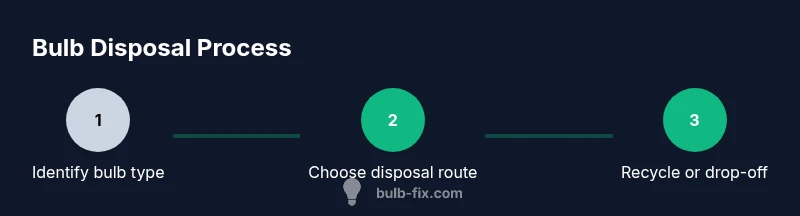
Disposing bulbs the right way protects people and the environment. If you're looking for how to get rid of bulbs, you’ll want to start with identifying bulb type and local rules. According to Bulb Fix, proper disposal reduces mercury exposure from CFLs and keeps hazardous materials out of landfills. Different bulb types require different handling: incandescent bulbs are often accepted in household trash where local programs allow it; CFLs and fluorescent tubes require recycling or household hazardous waste drop-off; LEDs are increasingly accepted at many recycling centers and retailers. Planning ahead saves time and reduces accidental breakage or spills. In this section, we’ll map out the routes for each bulb type and show how to choose the safest option in your area.
Types of Bulbs and Disposal Routes
Incandescent and Halogen
Incandescent and halogen bulbs are typically the simplest to dispose of and, in many areas, can go with regular household trash where permitted. They do not contain mercury, but you should still verify local rules and avoid breaking the bulb during transport. If your program requires separation, keep them in a labeled bag or box to prevent mess.
CFLs and Compact Fluorescent Tubes
CFLs and compact fluorescent lamps contain a small amount of mercury. Because of this, many programs require you to bring them to a recycler, hazardous waste facility, or retailer take-back program instead of tossing them in the trash. If you must transport CFLs, place them in a sturdy box or sealed bag to prevent breakage.
LEDs and Modern Bulbs
LED bulbs generally do not contain mercury and are highly recyclable. Many communities offer dedicated LED recycling programs at transfer stations, electronics retailers, or mail-back options. Check with your local waste authority for accepted destinations.
Fluorescent Tubes and Long Bulbs
Fluorescent tubes and blacklight lamps require careful handling because they contain mercury. Use a rigid container, avoid rolling the tube, and take them to a dedicated recycling site or HHW event. Retailers sometimes offer bulb recycling programs for tubes.
How to Prep Bulbs for Disposal
Before you move bulbs to disposal channels, prepare them to reduce breakage and contamination. Wear protective gloves during handling to avoid cuts from broken glass. Transport bulbs in a sturdy container, such as a rigid box or bottle crate, and seal any loose ends with tape. Clearly label containers with “bulbs” so others know what’s inside. Do not mix bulb types in the same container, especially CFLs with other waste, to prevent cross-contamination. If a bulb is damaged, follow the breakage protocol in the safety section and avoid sweeping up shards with bare hands.
Local Options for Disposal and Recycling
Your best disposal routes depend on your location. Many cities offer dedicated Household Hazardous Waste (HHW) programs or annual events where bulbs of all types can be dropped off safely. Retailers and home improvement stores often provide bulb recycling take-back programs for CFLs, tubes, and LEDs. Municipal websites usually list accepted items and nearest drop-off points. If you’re unsure, search for your city’s waste services page, or use a national directory to locate a nearby recycling facility. Bulb Fix analysis, 2026 notes that awareness of proper disposal varies by region, so checking multiple sources can help you find a reliable option.
Safety Considerations and Handling Breakage
Always handle bulbs gently to minimize breakage and potential mercury exposure. If a bulb breaks, evacuate the area, ventilate briefly, and wear gloves while picking up fragments with stiff cardboard or a dustpan. Place fragments in a sealed container and avoid using a vacuum, which can spread mercury vapor or tiny shards. Clean the area with damp towels and dispose of the towels in the same container. Store undamaged bulbs separately from broken ones until you can deliver them to a proper facility. Remember, broken or damaged bulbs require immediate, careful handling to protect household members and pets.
Do's and Don'ts: Quick Safety Checklist
- Do identify bulb type before disposal.
- Do use a sturdy container and seal bags for transport.
- Do check local guidelines for CFLs and tubes.
- Don’t toss CFLs or tubes in regular trash unless your program permits.
- Don’t break bulbs intentionally; wrap them securely if transport is unavoidable.
- Don’t mix different bulb types in the same disposal container.
- Do verify a drop-off location and hours before heading out.
Tools & Materials
- Protective gloves(Nitrile or latex; cut-resistant optional)
- Sturdy container(Rigid box or reusable tote to prevent breaks)
- Sealed bags or tape(For extra containment of CFLs or tubes)
- Marker or label(Label containers with 'bulbs' to aid handling)
- Absorbent material(Optional for potential leaks when transporting damaged bulbs)
Steps
Estimated time: 15-25 minutes
- 1
Identify bulb type
Examine the bulb or its packaging to determine its type (incandescent, CFL, LED, or fluorescent tube). This determines the correct disposal route and whether special handling is required.
Tip: If the bulb has no obvious label, treat it as a CFL/tube until you confirm with your local program. - 2
Gather disposal supplies
Collect gloves, a sturdy container, and sealed bags or tape. Have a marker handy to label containers clearly.
Tip: Use a rigid, closed container to prevent accidental punctures or breaks during transport. - 3
Prepare the bulbs
Power off and cool bulbs before handling. Place each bulb in its own protective sleeve or bag to minimize contact and breakage.
Tip: Avoid stacking bulbs—keep them upright and separate to reduce risk. - 4
Decide on disposal route
Check local guidelines. Incandescents may go with trash where permitted; CFLs, tubes, and some LEDs require recycling or HHW drop-off.
Tip: If in doubt, call your waste authority or visit their website for the accepted destinations. - 5
Find a drop-off location
Use municipal sites or retailer programs to locate the nearest drop-off or recycling point. Record the address and hours.
Tip: Save a map pin or QR link for quick future references. - 6
Transport to the drop-off
Carry bulbs safely in the container, secure in your vehicle, and avoid exposing them to extreme heat or pressure.
Tip: Do not overload your bag with loose bulbs; keep containers stable during transport. - 7
Drop off and document
Hand bulbs to staff or place them in the proper collection bin. If a receipt is offered, obtain it for proof of proper disposal.
Tip: Keep receipts until you confirm the disposal was processed. - 8
If bulbs break, follow cleanup steps
Use stiff paper to collect shards, seal in a bag, and wash the area with damp towels. Do not use a vacuum.
Tip: Ventilate the space briefly after cleanup and wash hands thoroughly afterward.
Got Questions?
Can I throw ordinary incandescent bulbs in the trash?
In many places, incandescent bulbs can be put in regular household trash if the local program allows it. Always verify with your municipal guidelines before disposal.
Incandescent bulbs are often okay to throw away with regular trash where allowed, but always check your local rules.
Are LEDs recyclable and where?
Yes, LEDs are recyclable at many recycling centers, electronics retailers, or mail-back programs. Check with your local authority for accepted locations.
Yes, LEDs can be recycled at many centers or retailer take-back programs. Check your local guidelines.
What should I do if a CFL breaks?
If a CFL breaks, ventilate briefly, wear gloves, and collect shards with stiff paper or a brush. Place fragments in a sealed container and avoid vacuuming.
If a CFL breaks, ventilate, wear gloves, and carefully pick up shards; seal them in a container and avoid using a vacuum.
Where can I find a bulb recycling location?
Use your city or county waste services site, retailer take-back programs, or a national recycling directory to locate the nearest drop-off point.
Check your local waste site or retailer programs to find the closest recycling drop-off.
Is there a risk with broken bulbs other than glass shards?
Broken bulbs can release small amounts of mercury (from CFLs and tubes) or other contaminants. Clean up carefully and ventilate the area.
Broken bulbs pose chemical exposure risks; clean up gently and ventilate.
What about storage before disposal?
Store bulbs in a closed container until you can take them to a proper recycling or disposal site. Do not store in living spaces long-term.
Keep bulbs in a closed container until you dispose of them properly.
Watch Video
Key Points
- Identify bulb type before disposal and follow local rules.
- CFLs and tubes need recycling or HHW drop-off.
- Prepare bulbs to prevent breakage and leaks.
- Use official drop-off points and obtain receipts when available.
- Handle breakage safely to protect household members.