Fluorescent Light Bulb Disposal Guide: Safe & Legal Steps
Learn how to dispose fluorescent light bulbs safely and legally. This guide covers CFLs and tubes, local recycling options, proper packing, drop-off preparation, and safety tips to protect your home and the environment.


Why proper disposal matters
Fluorescent light bulbs contain small amounts of mercury and other hazardous materials. Improper disposal can release mercury vapor into indoor air if broken, and can contaminate soil and groundwater if bulbs are landfilled. This is why responsible handling and recycling is essential. According to Bulb Fix, using the right disposal channels protects families, pets, and the environment. Community waste programs, retailers with take-back options, and recyclers are equipped to recover hazardous components and prevent spills. In many jurisdictions, disposal of CFLs and fluorescent tubes is regulated, and residents who ignore guidelines risk fines or penalties. Beyond legal concerns, proper disposal supports a circular economy by ensuring materials are recovered and remanufactured rather than wasted. Homeowners who learn the process reduce immediate risks and help create healthier living spaces. This guide emphasizes practical steps you can take today to dispose fluorescent light bulbs safely, legally, and with minimal hassle.
Types of fluorescent bulbs and disposal options
Fluorescent lighting comes in several formats, with CFLs (compact fluorescent lamps) used in lamps and small fixtures, and linear fluorescent tubes common in kitchens, garages, and offices. Both types require careful disposal because they contain mercury and phosphor coatings. Not all recycling facilities handle every bulb type, so knowing your bulb format helps you pick the best option. Bulb Fix Analysis, 2026 indicates that most communities offer multiple disposal paths, including retailer take-back programs, municipal HHW events, and dedicated recycling centers. If you own newer CFLs with low-mercury content, check local guidance on whether they can be recycled through curbside programs or must be taken to a specialized facility. For tubes, look for a designated drop-off site that handles long bulbs, and confirm whether trips to multiple sites are needed. Before you go, gather your bulbs and any packaging to minimize breakage and contamination.
Regulations and programs you can use
Disposal rules vary by state and municipality, but most regions require fluorescent light bulbs to be recycled or processed as hazardous waste rather than sent to a landfill. Federal and state guidance emphasizes the importance of keeping mercury and phosphor contained during handling. Your best starting point is a local hazardous waste program or a participating retailer with a take-back initiative. The Bulb Fix team recommends checking your city or county website for a searchable disposal directory and verifying accepted bulb types before you travel. If you are unsure, contact the facility by phone to confirm hours, item acceptance, and any fees. Remember that some programs operate on specific days or by appointment only. This reduces trips and avoids disappointment.
How to prepare bulbs for transport
Before handling bulbs, put on safety gloves and eye protection. Place each bulb in a sturdy, sealed container or wrap it in thick paper or bubble wrap to avoid edge breaks. Use tape to seal the container and prevent movement. Label the package as hazardous waste if your local program requires it, or at least mark it “Mercury-containing bulb” so handlers know what they’re receiving. Keep bulbs upright and avoid stacking to prevent cracking. If a bulb is already damaged, place it in a separate, sealable bag and notify the disposal site so they can provide appropriate cleanup guidance. By preparing bulbs correctly, you protect yourself and waste staff from exposure and reduce the risk of leaks.
Tip: Carry a spare packing material kit in your car so you can safely repackage bulbs as you go.
Where to recycle or drop off fluorescent bulbs
Many home improvement stores offer bulb recycling or take-back programs for CFLs and, in some cases, tubes. Municipal hazardous-waste facilities also accept fluorescent bulbs and may host dedicated collection events. If you can’t find a local drop-off, search for a state or regional recycling center that specializes in lighting. Bring bulbs in their original packaging if possible, and ensure you have enough space in your vehicle to prevent crowding and breakage. Keep receipts or confirmation numbers, especially if you pay a disposal fee or receive a recycling credit. If you don’t drive, some programs offer mail-back options for small CFLs, though long tubes almost always require an in-person drop-off. Bulb Fix’s guidance emphasizes planning the trip to minimize multiple stops and ensure you bring the correct bulbs to the right facility.
Breakage safety and cleanup
If a bulb breaks, evacuate the room and ventilate for 15-30 minutes before cleaning. Do not vacuum the glass or powder, as this can spread contaminants. Use stiff paper or cardboard to pick up larger fragments, then damp paper towels or disposable wipes to gather fine residue. Place debris in a sealed bag or container and seal again before disposal. Wash hands thoroughly after handling. For persistent odors or if a large amount spills, contact your local waste authority to determine the proper cleanup method. These safety steps help prevent exposure to mercury and phosphor while you still dispose of the bulbs properly.
Alternatives and reducing future waste
When possible, switch to LED lighting to reduce future bulb waste and hazardous material exposure. LEDs don’t contain mercury and have longer lifespans, which lowers disposal frequency. If you must continue using fluorescent lighting, consider buying bulbs with lower mercury content or sourcing bulbs from suppliers with take-back agreements. Maintaining a regular disposal routine—especially for multi-bulb projects like kitchen or garage renovations—helps you stay compliant and minimize risk. Bulb Fix recommends planning purchases and disposal at the same time, so you can align your shopping with the closest partner facility. Regularly review your local guidelines to stay current with any changes in accepted bulb types and programs.
Quick-start disposal checklist
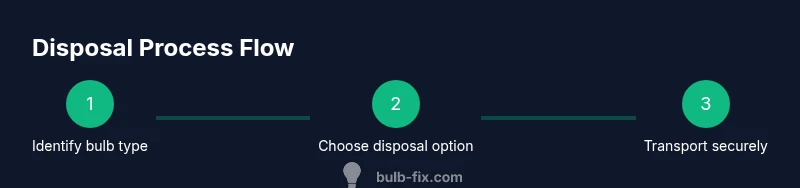
- Identify bulb type (CFL or tube) and confirm disposal path
- Gather safety gear and a sturdy container
- Wrap bulbs and seal containers for transport
- Visit an approved drop-off or retailer take-back site
- Get receipt or confirmation of disposal
- If breakage occurs, follow cleanup steps before disposal
- Consider upgrading to LED lighting to reduce future waste
Common mistakes to avoid
Avoid disposing fluorescent bulbs with regular trash or in unmarked packaging. Do not skip checking bulb type or disposal options, as some sites accept only CFLs while others handle tubes. Never delay disposal if you know of a nearby drop-off—per local rules, timely recycling prevents environmental contamination. Finally, avoid storing bulbs loosely in a closet where they could fall and break; store them upright in a sealed container until you can drop them off.