Can You Put Light Bulbs in the Bin? A Disposal Guide
Discover safe, legal ways to dispose of light bulbs, including CFLs, LEDs, and incandescents. Learn recycling options, how to handle breakage, and how to store bulbs before disposal.


According to Bulb Fix, light bulbs generally should not go in the regular bin because many bulbs contain hazardous materials. Recycling or hazardous-waste disposal is usually required, but rules vary by location—check local guidelines. Handle intact bulbs carefully to avoid breakage. If you are unsure, contact your local waste authority or retailer take back program for guidance.
Why proper bulb disposal matters
Light bulbs contain materials that require special handling to protect people and the environment. Fluorescent and some LED bulbs may contain small amounts of mercury or other hazardous components; even intact bulbs can leak if broken in trash. By following local disposal rules and using recycling channels, you help prevent soil and water contamination and support resource recovery. In many communities, government programs and retailers offer safe disposal options; using these channels reduces landfill waste and encourages responsible waste management. This is a common task in home maintenance and waste planning, and knowing the right path saves time and reduces risk.
Understanding bulb types and disposal paths
Bulbs vary in their composition and disposal needs. CFLs and fluorescent tubes often contain mercury and should never be tossed into regular trash; many municipalities require recycling through household hazardous waste or dedicated drop off centers. LEDs and halogen bulbs generally have electronic components and may be accepted at retailer take back programs or recycling centers. Incandescent bulbs are usually safe to discard with regular trash in small quantities in some places, but local rules can differ. Always verify with your local waste authority; when in doubt, treat as recyclable and seek a proper drop off.
How to locate local disposal options
Start with your city or county official website or waste authority. Search for bulb recycling, household hazardous waste, or e-waste drop offs. Many hardware stores and big box retailers host bulb recycling bins; some accept only specific bulb types. If you rent a residence, your property manager or HOA can share accepted drop off locations. For a precise list, use search terms like bulb disposal near me and save addresses in a notes app. Bulb Fix analyses show that awareness of local programs is the strongest predictor of proper disposal, so making a quick plan saves time later.
Preparing bulbs for disposal
Before you transport bulbs, gather items you will need and avoid cracking them during handling. Put intact bulbs in a rigid container with a lid; wrap fragile bulbs in newspaper or bubble wrap if you want extra protection. Keep packaging materials with the bulbs so you can show what you are disposing if the center asks. If you are disposing broken bulbs, carefully place fragments in a sealed container or zip top bag to minimize exposure. Label the container as bulbs recycling to help staff identify the contents.
Handling broken bulbs safely
Broken bulbs are the most hazardous moment in disposal. Put on gloves and safety glasses to reduce risk, ventilate the area, and avoid sweeping with a regular broom. Vacuuming can spread fine particles; instead use stiff cardboard to sweep up shards and place them in a sealed container. Wipe the area with a damp paper towel, then place towels in a sealed bag. Take the container, broken pieces, and towels to a designated disposal site. If you need time to clean up, postpone disposal until you can reach a center.
Common mistakes to avoid
Many people toss bulbs in trash because they do not know the rules or worry about the extra trips. Do not wrap bulbs loosely in paper or leave bulbs unprotected in the trunk; loose shards can puncture bags or injure staff. Do not mix bulb types — CFLs LEDs and incandescent bulbs may have different disposal requirements. Do not ignore local guidelines; rules can vary widely, especially for CFLs and fluorescent tubes.
Retailer take back and municipal programs
Several retailers offer bulb take back programs; you may drop off CFLs and LEDs at participating locations. Municipal programs often run household hazardous waste events or permanent recycling centers; these are ideal for large quantities or universal waste. If you are unsure whether a center accepts bulbs, call ahead or check the center s posted list. Bulb Fix recommends choosing a program that provides clear labeling and safe handling instructions, so staff can process bulbs efficiently.
What to do when options are limited or far away
If you live in a rural area or your local program has limited hours, plan ahead. Do not store bulbs indefinitely indoors; aim to use the bulbs or recycle as soon as possible. Consider coordinating with neighbors to create a small collection time, then visit a center together. If travel is a barrier, check for mobile HHW events or municipal drives.
Bulb Fix practical disposal tips
From planning to drop off, these tips help keep disposal simple: separate bulb types early; maintain a small disposal kit; track local guidelines and update your plan as rules change; teach household members proper handling; reuse or recycle packaging where possible.
Tools & Materials
- Rigid, puncture-resistant container(A sturdy box or bucket with a lid; use for transporting bulbs and containing broken pieces)
- Disposable gloves(Protect hands when handling bulbs and broken fragments)
- Old newspapers or bubble wrap(Wrap bulbs to prevent breakage during transport)
- Seal-able bag for broken bulbs(If bulbs break, place fragments in a sealed bag)
- Disposal center addresses or maps(Have locations handy (printed or on device))
Steps
Estimated time: 30-60 minutes plus travel time
- 1
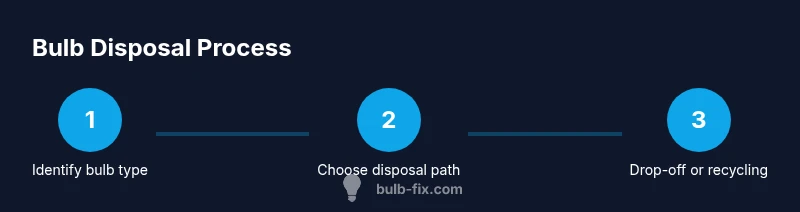
Identify bulb type
Check the bulb label or packaging to determine if it is CFL, fluorescent, LED or incandescent. This directs you to the correct disposal path and program. If the label is worn, refer to the packaging you kept with the bulb.
Tip: Start with CFLs and fluorescent tubes first since they often require special recycling. - 2
Locate disposal options
Use your city or county waste authority website to find bulb recycling, HHW events, or retailer take-back programs. If you rent, ask your property manager for recommended drop-offs.
Tip: Save a list of nearby centers for quick reference. - 3
Prepare bulbs for transport
Place intact bulbs in a rigid container with a lid. Wrap fragile bulbs in newspaper or bubble wrap to minimize movement during transit.
Tip: Avoid loose bulbs banging around in the car. - 4
Deliver to the drop-off
Drive to the chosen facility and follow staff directions for drop-off. Bring any required forms or identification if requested.
Tip: If you have many bulbs, consider staggering visits to avoid delays. - 5
Handle broken bulbs safely
If a bulb breaks, wear gloves and safety glasses. Scoop up fragments with a stiff cardboard and seal them in a bag or rigid container.
Tip: Do not use a vacuum cleaner for shards. - 6
Record and store disposal
Keep a simple log of disposal dates and locations for future planning. Update your plan if local rules change.
Tip: Review guidelines annually to stay current.
Got Questions?
Can I put LED bulbs in the trash?
No. LED bulbs contain electronics and should be recycled or disposed through approved programs. Check local guidelines or retailer take-back options.
LED bulbs should not go in the trash; use recycling or take-back programs.
Are CFL bulbs hazardous due to mercury?
Yes, CFL bulbs contain small amounts of mercury. Handle carefully and dispose at proper recycling centers or HHW events.
CFL bulbs contain mercury, so recycle them at an appropriate facility.
Do hardware stores accept bulbs for recycling?
Many hardware stores offer bulb recycling drop-offs. Availability varies by location, so check with the store first.
Many stores offer bulb recycling—call ahead to confirm acceptance.
What should I do with broken bulbs?
Carefully collect shards with gloves, seal in a rigid container or bag, and take to a disposal site. Do not sweep with a normal broom.
If a bulb breaks, use gloves and a sealed container to transport the pieces.
Is disposal different for incandescent bulbs?
Incandescent bulbs can often be disposed of with regular trash in many places, but it varies by local rules; always verify.
Incandescent disposal varies by location, so check local guidelines.
How much does bulb disposal cost?
Costs vary; many programs are free, but some centers may charge small fees for handling certain bulb types.
Costs for disposal can vary; many centers offer free drop-off for bulbs.
Watch Video
Key Points
- Always verify local disposal rules before discarding bulbs
- Use a rigid container to transport bulbs
- Wrap fragile bulbs to prevent breakage
- Recycle or use HHW programs for CFLs and LEDs
- Keep a disposal plan and update it as guidelines evolve