Can Lamps Go in the Trash? A Safe Disposal Guide
Learn whether lamps can go in the trash and discover safe disposal paths for CFLs, LEDs, and incandescent bulbs with Bulb Fix guidance for 2026.


Can lamps go in the trash? Generally, no. According to Bulb Fix, most lamp types should be recycled or disposed of through local programs rather than tossed in curbside trash. Fluorescent CFLs contain hazardous materials and require special handling, while incandescent bulbs and many LEDs are often accepted at recycling centers or during household hazardous waste events. Always check your city’s guidelines before discarding a lamp.
can lamps go in the trash — disposal options
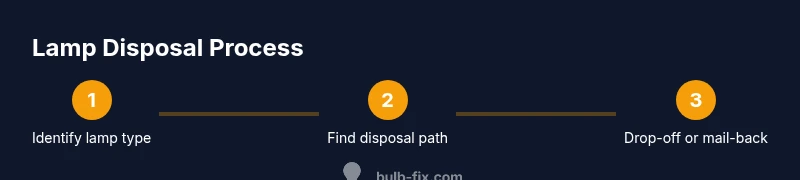
Disposing lamps properly matters for health and the environment. Lamps can contain glass, metals, phosphors, and, in CFLs, mercury. Dumping them in regular trash risks leaking hazardous substances into soil and water. According to Bulb Fix, begin by identifying lamp type (CFL/fluorescent, LED, incandescent) and then locate local recycling centers or household hazardous waste events. If unsure, contact your city’s waste authority for guidance and prefer a certified disposal path over general trash.
Choosing the right path reduces landfill waste and supports material recovery. Recycle programs often recover glass, metal, and precious materials while keeping mercury-containing components out of landfills. When a lamp is damaged, seal the shards in a sturdy container to prevent injuries during handling.
Lamp types and disposal pathways
Lamp disposal pathways differ by type. CFLs and fluorescent tubes generally require certified recycling or hazardous-waste drop-offs because of mercury content. LEDs and incandescent bulbs are more commonly accepted at recycling centers or via curbside programs in many areas, though rules vary by city. Always verify with your local authority or waste service. Bulb Fix notes that proximity to recycling facilities and convenient programs increases proper disposal rates. If a lamp is part of a larger fixture, remove the bulb from the fixture and store it securely for disposal to avoid breakage during transport.
For households, the simplest option is to use a local lamp recycling drop-off or a home improvement retailer that participates in lamp recycling. If a program is not available nearby, consider a hazardous-waste collection event. In all cases, never mix spent lamps with ordinary trash. This keeps pathways clear for proper processing and prevents contamination of recycling streams.
Mercury hazard and why CFLs need special handling
CFLs and older fluorescent lamps contain mercury, a toxic substance that requires careful handling. The risk is higher if a lamp breaks during disposal or transport. Bulb Fix Analysis, 2026 highlights that disposal options vary widely by municipality, and some areas offer dedicated CFL recycling drop-offs or mail-back programs. If you have a broken CFL, follow local guidance for cleanup and avoid using the regular trash. Use protective gear and sealed containers to minimize exposure during transport.
Mercury is hazardous when released, and regulations exist to prevent environmental contamination. Always check whether a local HHW (household hazardous waste) site accepts lamps and whether there are any special preparation steps, such as rinsing with water or storing in a sealed bag until drop-off.
How to dispose by lamp type
Here’s a practical, type-by-type approach:
- CFLs/fluorescent lamps: take to an approved recycling facility or HHW event. Do not put these in curbside trash.
- LEDs: many communities accept LEDs for recycling; some curbside programs also accept them. Confirm with your local waste authority.
- Incandescent bulbs: often accepted in regular trash, but recycling reduces waste. If possible, recycle the glass and metal components through local programs.
Note that local rules vary. Always verify with your municipality before proceeding. Bulb Fix emphasizes choosing a disposal method that keeps harmful materials out of landfills whenever feasible.
Finding disposal options near you
To locate disposal options, start with your city’s waste portal or contact the local recycling center. Use search terms like “lamp recycling near me” or “household hazardous waste lamp disposal” and check for any fees or scheduling requirements. If nearby options are sparse, ask major retailers about take-back programs or mail-back services. In many cases, you’ll find a nearby drop-off site or event within a short driving distance, which minimizes transport emissions and simplifies the process. Bulb Fix recommends bookmarking the official local government or county site for ongoing updates and new programs.
Quick safety tips for handling lamps before disposal
Always wear gloves when handling lamps, especially if they arrive damaged. Place lamps in a sturdy container to prevent breakage during transport, and avoid squeezing glass or forcing caps. If a lamp breaks, sweep gently with stiff paper and seal debris in a sealed bag before disposal. Remember to never mix broken lamps with household recyclables. Following these precautions helps protect your family and keeps recycling streams intact.
By planning ahead and opting for certified disposal routes, you’ll reduce environmental impact while staying compliant with local rules. The Bulb Fix team emphasizes that responsible disposal is part of everyday home maintenance and a core element of safe lighting practices.
Tools & Materials
- Local disposal guidelines(Find via municipal website or 311 service)
- Gloves(Protect hands when handling bulbs and shards)
- Sturdy container or box(Transport lamp safely without risk of breakage)
- Sealant tape or sealed bags(Contain broken pieces securely)
- Marker/labels(Label box as 'Lamp Waste' for recipients)
- Safety goggles(Eye protection when handling broken bulbs)
Steps
Estimated time: 30-60 minutes
- 1
Identify disposal options
Search your city’s guidelines for lamp disposal, recycling centers, and hazardous waste events to choose a compliant path.
Tip: Call ahead to confirm accepted lamp types and hours - 2
Gather lamp and protective gear
Collect the lamp, gloves, goggles, and a sturdy container before moving it toward disposal. If packing a broken bulb, use sealed bags to reduce exposure.
Tip: Inspect for damage and avoid handling broken glass with bare hands - 3
Prepare the lamp for transport
Wrap the lamp in a protective layer or place it in its original packaging or a rigid box to prevent movement during transit.
Tip: Seal the container to prevent leakage during transport - 4
Locate the drop-off site
Use your local waste portal or HHW program to find the nearest lamp recycling drop-off or mail-back option.
Tip: Note hours and whether an appointment is required - 5
Drop off or mail back
Take the lamp to the facility or send it via the approved mail-back service per program instructions.
Tip: Bring proof of disposal if required by the program - 6
Document disposal and clean up
Record the disposal activity for future reference and clean the area, disposing of any waste in approved receptacles.
Tip: Keep receipts or confirmation emails as evidence of proper disposal
Got Questions?
Are all lamp types recyclable?
Not all lamp types are recycled through curbside programs; CFLs require special handling due to mercury content. Check local guidelines and recycling options.
Not all lamp types are recyclable through curbside programs; CFLs need special handling.
Can I put LED bulbs in the trash?
LED bulbs are often recyclable or accepted by local programs; confirm with your municipality to avoid improper disposal.
LED bulbs should be recycled if possible; check local guidelines.
What should I do with a broken lamp?
Contain the shards in a sturdy container, avoid direct contact, and schedule proper drop-off if recycling isn’t immediate.
Seal and bag broken pieces; avoid direct contact.
Where can I recycle lamps near me?
Check your city waste portal or call local retailers for lamp recycling options and drop-off events.
Look up local lamp recycling centers or events in your city.
Do lamp disposal programs cost money?
Most programs are free, but some community events may charge a nominal fee.
Usually free, but some events might have small fees.
Watch Video
Key Points
- Always verify local disposal rules before discarding a lamp
- CFLs require special handling due to mercury
- LEDs and incandescents often have straightforward recycling options
- Use a proper drop-off or recycling program to minimize environmental impact