Can You Take Bulbs Out of Christmas Lights? A Safe Step-by-Step Guide
Learn how to safely remove bulbs from Christmas lights, identify bulb types, avoid damage, and dispose or reuse components with confidence. This Bulb Fix guide covers safety, tools, step-by-step removal, and tips to prevent breakage.


Yes. According to Bulb Fix, you can safely remove bulbs from many Christmas light strings by unplugging first, wearing gloves, and twisting bulbs counterclockwise in mini or screw-in designs. If a string uses fixed or integrated LEDs, removal may not be possible. Always check the manufacturer's guidance before starting.
Understanding bulb types and construction
Christmas lights come in several bulb varieties, and knowing the difference helps you decide if removal is feasible. Traditional mini bulbs (the tiny, round bulbs) are usually removable on older strings. C7 and C9 bulbs, used in larger retro sets, can be removable or fixed depending on the design. LED strings may use modules that aren’t meant to be separated. Before attempting any removal, identify whether your string uses screw-in bulbs, wedge-style bulbs, or integrated LEDs. Remember: compatibility varies by product, and some sets are designed for single-use bulbs. By understanding your bulb type, you’ll choose the safest removal approach and reduce the risk of damaging the wiring.
Safety first: unplug, inspect, and test
Unplug the string before touching any bulbs. Remove jewelry and work on a dry surface to minimize the risk of electric shock. Wear gloves to protect delicate glass if you’ll be handling bulbs, and use a flashlight to clearly see inside sockets. Check for visible damage—cracks in bulbs, corroded sockets, or melted plastic can signal a failure risk. If you suspect moisture, stop and dry the string completely before proceeding. A quick voltage test with an appropriate tester can confirm the circuit is dead before any manipulation.
Are your bulbs removable? We explore common configurations
Many strings use removable bulbs, especially older sets with screw-in or push-in designs. Some modern strings, especially those with integrated LEDs, do not allow bulb removal without damaging the module or voiding warranty. End caps and connectors play a big role: if the end cap is fixed or glued, removal may not be possible. When in doubt, consult the product manual or the manufacturer’s website. For rental or seasonal displays, non-removable configurations are common to ensure durability.
Step-by-step removal process for typical mini-bulbs
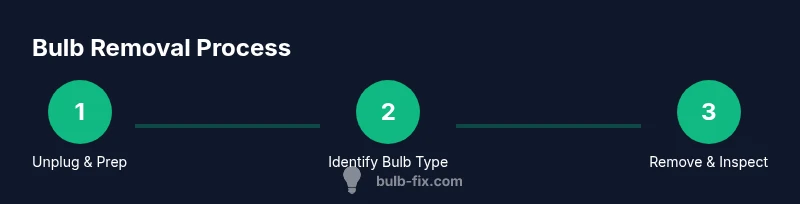
- Unplug the string and clear a safe workspace. 2) Identify whether the bulb twists out or pulls straight. 3) If it twists, grip firmly and turn counterclockwise until it releases; if it pulls, apply gentle downward pressure while stabilizing the base. 4) Remove the bulb and set it in a padded container. 5) Inspect the socket for scorch marks or bent pins, which indicate damage that should be addressed before reuse. 6) Label and store removed bulbs by type for easy reinsertion later.
Handling stubborn bulbs and damaged sockets
If a bulb resists removal, don’t force it. Use a rubber grip or a small amount of heat-safe lubricant around the base (only if recommended by the manufacturer). Avoid twisting the wiring or prying with metal tools, which can damage conductors. If the socket appears scorched or melted, stop immediately and replace the string. Damaged sockets can pose fire hazards and should be discarded or repaired by a professional.
Cleaning and storing bulbs after removal
Wipe bulbs with a soft, dry cloth to remove dust before storing. Place bulbs in a cushioned container to prevent chipping, and label each compartment by bulb type and size. Store in a cool, dry location away from moisture and direct sunlight. When you’re ready to reuse the bulbs, double-check compatibility with the new string and reseat bulbs carefully to avoid bending pins or damaging the socket.
Special cases: M5 candelabra bulbs, plastic spears, and integrated LEDs
Some sets use M5 candelabra bulbs or plastic I-shaped bulbs that require a different removal approach. Integrated LED modules, common in modern holiday lights, often cannot be removed without specialized tools or voiding warranties. In those cases, consider replacing the entire strand or purchasing a compatible module kit rather than attempting to disassemble the module. Always follow the manufacturer’s guidance for those sensitive designs.
How to dispose or reuse bulbs responsibly
If bulbs are intact and functional, set them aside for future use. For damaged units, recycle them according to local guidelines where possible; treat glass bulbs as glass waste, and separate LEDs if your local program accepts them. Do not dispose of live electronics in regular trash. When in doubt, visit your city or county’s recycling page for holiday lighting disposal instructions.
Troubleshooting: if the string won’t light after bulb removal
If removing a bulb causes the string to fail to light, inspect the socket for bent contact pins, corrosion, or damaged wires. A missed step in removal can leave a break in the circuit. Reinsert bulbs securely after cleaning and retest. If multiple bulbs fail, the issue may be a bad fuse, a broken wire, or a damaged connector rather than a single bulb.
Common mistakes to avoid and best practices
Avoid twisting bulbs too hard or yanking on the socket. Never force a bulb if it doesn’t budge, and always unplug first. Keep bulbs organized by type and store them safely to prevent breakage. When in doubt, refer to the manufacturer’s manual. The safest approach is to remove only what’s clearly designed to be removable.
Tools & Materials
- Gloves (rubber or work gloves)(Protect bulbs and hands; helps grip slippery surfaces)
- Flashlight(Illuminates sockets and end caps for precise removal)
- Safety glasses(Eye protection in case of bulb breakage)
- Replacement bulbs of the same type(For quick reinsertions or replacements)
- Soft cloth or lint-free wipe(Clean bulbs before storage)
- Storage container or padded box(Prevent bulb damage during storage)
- Non-metal tools (plastic tweezers or a damp sponge, optional)(Use only if manufacturer approves; avoid metal near live sockets)
Steps
Estimated time: 30-60 minutes
- 1
Unplug and prep
Disconnect the string from power and clear the workspace. Ensure your hands are dry and you have good lighting. This reduces shock risk and makes handling bulbs safer.
Tip: Keep a log of which bulbs you remove to ease reinstallation. - 2
Identify removal method
Check whether the bulb twists out, pulls straight, or is fixed. Different designs require different techniques and tools.
Tip: If you’re unsure, consult the manufacturer’s manual before acting. - 3
Remove the bulb
Grip the bulb base (not the glass) with a glove and rotate counterclockwise for screw-in types, or gently pull for wedge designs. Stop if resistance is felt.
Tip: Apply even pressure and avoid touching the wire pins. - 4
Inspect the socket
Look for scorch marks, bent pins, or corrosion. Any damage means the socket should be repaired or the string replaced.
Tip: Copper contacts should be clean and lively, not dark or crusty. - 5
Test after removal
Reinsert the bulb or a replacement, plug in, and observe if the section lights. If not, check adjacent bulbs and the fuse.
Tip: Test in small sections to isolate issues quickly. - 6
Store bulbs safely
Place removed bulbs in a cushioned container, labeled by type. Store in a cool, dry place away from moisture.
Tip: Arrange similarly sized bulbs together to prevent mix-ups.
Got Questions?
Are all Christmas light bulbs removable?
No. Some strings use fixed or integrated LED modules that aren’t designed for bulb removal. Always check the product manual or manufacturer guidance before attempting any disassembly.
Some bulbs aren’t removable. Check the manual before trying to take them out.
Can I remove incandescent bulbs without damaging the string?
In many cases, yes, especially with traditional screw-in or wedge-style bulbs. If you encounter resistance, don’t force it—reassess with the manual to avoid damage.
Yes, usually, but don’t force it if it won’t budge.
What should I do if a bulb is stuck?
Stop and avoid applying excessive force. Try a rubber grip and ensure you’re turning in the correct direction. If it still won’t budge, consult the manufacturer or replace the entire string.
Don’t force it. Use a grip and check the manual, or replace the string.
Can removed bulbs be reused in other strings?
Yes, if the bulb type is compatible with the new string and the base/connectors are in good condition. Always test the circuit after reinsertion.
You can reuse them if compatible and tested afterward.
How should I dispose of broken bulbs?
Handle shattered bulbs with care, place fragments in a sturdy container, and recycle where possible. Follow local regulations for electronic waste.
Handle with care, recycle where possible, and follow local rules.
Do modern LED strings have removable bulbs?
Many modern LEDs are not designed for bulb removal. If the bulbs won’t come out easily, treat the string as non-removable and consider replacing the entire strand.
Often not removable; check the manual and consider replacement.
Watch Video
Key Points
- Identify bulb type before attempting removal
- Unplug and inspect for damage first
- Use proper tool-free removal methods
- Label and store removed bulbs safely
- Dispose or recycle damaged bulbs responsibly