How Big a Pot for Amaryllis Bulb: A Size Guide
Learn how to choose the right pot size for amaryllis bulbs with practical, step-by-step guidance on drainage, soil, and repotting to ensure strong blooms.


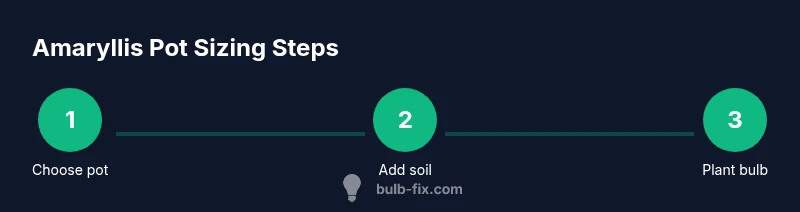
If you're wondering how big a pot for amaryllis bulb should be, aim for a pot only slightly larger than the bulb. Choose a container with good drainage, fill with a bulb-friendly mix, and position the bulb so its top is just above soil. This setup supports strong roots and a healthy bloom.
Why pot size matters for amaryllis bulbs
Selecting the right pot size matters because it influences root development, moisture levels, and the likelihood of a healthy bloom. According to Bulb Fix, the pot should provide stability while leaving enough room for the bulb to expand its roots without saturating the soil. A pot that is slightly larger than the bulb helps manage water at the soil surface and minimizes the risk of rot. When the pot diameter and depth are balanced with the bulb’s size, you’ll notice sturdier growth and easier maintenance across seasons.
How to measure the right pot diameter and depth
To estimate the ideal diameter, compare the bulb’s widest point to the interior width of the pot. A general guideline is a pot that is about 1–2 inches larger in diameter than the bulb, with a depth that accommodates the bulb’s roots plus an inch or so for stability. Ensure the neck of the bulb remains visible above the soil line. If you’re unsure, opt for a shallower bowl-style pot with a standard drainage hole and a shallow layer of soil near the top rather than burying the bulb deep.
Choosing the pot material and drainage
Drainage is essential for amaryllis bulbs. Terracotta or ceramic pots promote evaporation and can reduce soil moisture more quickly than plastic. The pot should have at least one drainage hole and a tray to catch excess water. If you’re using plastic, consider a liner with drainage or a smaller pot inside a decorative container to maintain aesthetics without sacrificing drainage. Bulb Fix notes that the material choice matters less than ensuring a proper drainage plan and secure stability for the mature bulb.
Step-by-step planting guidance: pot size and soil mix
A well-sized pot supports confident root development and soil balance. Use a prepared bulb mix or a fresh, well-draining potting soil to fill the pot. Place the bulb with the roots spread evenly, then cover with soil so that the top of the bulb sits just above the soil line. Leave the neck exposed and gently tamp the soil to remove air pockets. Water lightly after planting and place the pot in a bright, indirect light location.
Common mistakes and how to avoid them
Common mistakes include using a pot that’s too large, which traps moisture and causes rot, or choosing a pot that’s too small, which constrains growth. Overwatering after planting is another frequent error; wait until the soil feels dry at the top before watering again. Ensure the pot has proper drainage and don’t bury the bulb deeper than recommended. Following these checks helps avoid stress during the bulb’s growing cycle.
Troubleshooting: signs your pot is too small or too large
If the pot is too small, you’ll notice cramped roots, slower growth, and crowding at the soil surface. A pot that’s too large retains more moisture and increases rot risk, especially in humid environments. Signs of overwatering include yellowing leaves and a damp, foul-smelling soil. Adjust pot size next season by selecting a container only modestly larger than the bulb to maintain balance between moisture control and root expansion.
Aftercare: watering, feeding, and repotting timelines
Water when the top inch of soil feels dry and never let the bulb sit in soggy soil. Fertilize lightly during active growth with a houseplant fertilizer, following label directions. Amaryllis typically prefers repotting every 2-3 years or when the plant outgrows its pot. Fresh soil improves aeration and reduces salt buildup from fertilizer. Keep the plant in bright light and rotate to encourage even growth.
Quick checklist for your amaryllis setup
- Pot with drainage, sized slightly larger than the bulb
- Fresh, well-draining bulb mix
- Soil level so the bulb top is visible above the soil
- Bright, indirect light location with steady warmth
- A tray to catch excess water and a watering routine that avoids soggy soil
Tools & Materials
- Pot with drainage hole(Diameter about 1–2 inches larger than the bulb)
- Bulb-friendly potting mix(Well-draining; labeled for bulbs)
- Drainage layer (pebbles or coarse sand)(Optional under soil for extra drainage)
- Trowel(For planting and adjusting soil)
- Watering can(For gentle watering after planting)
- Saucer or tray(Catches excess water)
- Gloves(Keep hands clean)
- Fresh amaryllis bulb(Healthy bulb free of mold)
Steps
Estimated time: 30-40 minutes
- 1
Select the pot size
Choose a pot whose interior diameter is about 1–2 inches wider than the bulb. This gives roots room to grow without retaining excess moisture.
Tip: Measure the bulb first and pick a pot with stable sides. - 2
Prepare the pot
Place a thin layer of soil or a drainage layer in the bottom to promote drainage and prevent soil from washing away.
Tip: Add a small amount of sand or perlite to improve aeration. - 3
Add soil mix
Fill the pot halfway with bulb-specific mix, leaving space for the bulb's roots to spread.
Tip: Do not pack soil too tightly, air pockets help roots establish. - 4
Position the bulb
Center the bulb with roots spread over the soil; ensure the top is just above the soil line.
Tip: If the neck sits below soil, gently adjust without damaging roots. - 5
Cover and firm soil
Add soil around the roots and lightly firm it to prevent shifting. The top should remain visible.
Tip: Leave room for watering without soaking the crown. - 6
Water lightly
Water the soil until evenly moistened but not soggy. Allow the surface to dry slightly before the next watering.
Tip: Use a gentle stream to prevent soil displacement. - 7
Place in light
Move the pot to a bright location with indirect light as the bulb establishes roots.
Tip: Avoid direct, scorching sun in early rooting. - 8
Monitor and feed
Watch moisture levels and apply a diluted fertilizer during active growth.
Tip: Follow label directions to avoid over-fertilizing.
Got Questions?
What size pot should I use for a typical amaryllis bulb?
Use a pot about 1–2 inches larger in diameter than the bulb, with a depth sufficient for the roots. This avoids waterlogging while giving roots room to grow.
Choose a pot only a little bigger than the bulb to avoid rot and promote healthy roots.
Can I plant amaryllis in a decorative bowl without drainage?
A decorative bowl without drainage can lead to soggy soil and bulb rot. If you use such a container, insert a plastic liner with drainage holes and monitor moisture closely.
Avoid non-draining containers for amaryllis; use a pot with drainage or a liner.
How often should I repot amaryllis?
Repot every 2-3 years or when the plant becomes root-bound. Fresh soil improves aeration and nutrient uptake.
Plan to repot every couple of years to keep the plant healthy.
Is it okay to reuse potting soil for amaryllis?
Fresh soil is best for bulbs. If reusing soil, sterilize it or replace with fresh bulb-specific mix to prevent disease and salt buildup.
Fresh soil is safest for amaryllis bulbs.
What signs indicate the pot is too large?
Slow growth with consistently wet soil and a strong, lingering odor can indicate a pot that's too large. Move to a smaller pot if this occurs.
Watch for soggy soil that lingers after watering.
How soon after planting should I water?
Water lightly after planting and then wait until the top inch of soil dries before the next watering. Overwatering at planting promotes rot.
Water gently after planting and avoid soggy soil.
Watch Video
Key Points
- Choose a pot slightly larger than the bulb to balance roots and moisture.
- Drainage is essential; never skip a drainage hole.
- Position the bulb with the top above soil for healthy growth.
- Repot only when necessary to minimize stress.