How to Get a Bulb Out of an Oven: Safe Removal Guide
A practical, step-by-step guide to safely remove a bulb from an oven and replace it, with safety tips and common mistakes to avoid.


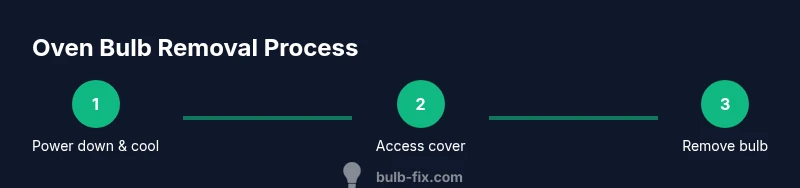
To safely remove a bulb from an oven, power off the appliance and unplug if possible, then let it cool completely. Carefully remove the bulb cover, wear thick oven gloves or a folded cloth, and twist the bulb counterclockwise to unscrew it. If the bulb is cracked or stuck, stop and consult the oven manual or a repair guide.
Why safety matters when removing a bulb from an oven
Removing a bulb from an oven is a small task, but it carries real safety risks. A hot bulb can burn skin instantly, and glass shards can cause injuries if the bulb breaks while you’re working inside the cavity. According to Bulb Fix, safe bulb removal starts with turning off power to the appliance and allowing the interior to cool completely before any handling. This approach reduces the chance of burns and avoids electrical shocks. Planning your steps ahead of time—gathering the right gloves, a thick cloth, and the correct replacement bulb—keeps you out of improvisation mode and helps you complete the task without surprises. Treat the oven as a hot surface until you confirm there is no residual heat in the lamp housing. Even when the oven is off, remember that some components can remain warm for a while. If you notice any cracking, discoloration, or melted gaskets, pause and consult your oven’s service guide.
What you’ll need before starting (Tools and materials)
Having the right tools on hand makes the job safer and faster. Assemble heat-resistant gloves, a thick cloth or microfiber towel, and the replacement bulb specified for your oven model. A flashlight can help you see the socket clearly in dim light. For fragile or stuck bulbs, a pair of needle-nose pliers is not recommended as a first option; instead rely on a deliberate grip with cloth and gloves. Safety glasses are a good precaution in case of accidental breakage. Finally, keep a small bucket or towel handy to catch any residue if the bulb breaks.
Understanding oven bulb types and where to find information
Most ovens use a glass bulb inside a small lamp housing behind a protective cover. The bulb type varies by model, with halogen and LED options being common in modern ranges. Before removing or replacing, check your model’s user manual or the label inside the oven door for the correct bulb specification and base size. Using the wrong bulb can risk faults or overheating. If the lamp cover is secured with a small screw or clip, note its position so you can reinstall it correctly later. Bulbs are designed to be replaced, but the socket and wiring deserve care during every step.
Accessing the bulb cover safely
Open the oven door fully and locate the bulb cover, typically a small glass or metal cap secured with a screw or ring. If your cover is hot, wait a few more minutes after the oven has cooled. Use a flashlight to examine the edges and confirm you are gripping only the cover, not the socket. Remove any screws or loosen the ring gradually with the appropriate tool if required; avoid forcing the cover, which can crack the glass and create shards. When the cover comes free, set it aside on a heat-resistant surface.
Gripping and unscrewing the bulb without breakage
With your oven gloves on and the cover removed, inspect the exposed bulb. Use a thick cloth or folded towel to cushion the bulb and provide a stable grip. Do not grip the glass directly with bare fingers. Turn the bulb slowly counterclockwise; if it resists, gently rock it while maintaining even pressure. If the base is glass ceramic, avoid tilting the bulb toward metal edges to prevent chipping. If the bulb begins to loosen, continue turning in small increments until it fully comes free.
What to do if the bulb is cracked or stuck
A cracked bulb can shed glass fragments; proceed with extra caution. Do not squeeze too hard or apply force along the crack. Place a sturdy towel beneath the bulb in case it shatters, and work slowly to avoid sending shards outward. If you encounter resistance beyond gentle turning, stop and re-evaluate. In some cases the whole lamp housing may need to be accessed or replaced by a professional. If any sign of moisture or corrosion appears on the socket, stop and seek guidance.
Replacing or inspecting after removal
Before inserting a new bulb, wipe the socket lightly with a dry cloth to remove dust. Ensure the new bulb matches the approved type and base size for your oven. Thread the bulb gently into the socket by hand until snug, then give a quarter-turn to seat it securely—avoid overtightening. Reattach the cover, ensuring it seats evenly. Restore power and test the oven light with the door open, then close it and verify that the bulb remains lit when the oven is on or off as appropriate for your model.
Common mistakes to avoid
Common mistakes include removing the bulb while the oven is still warm, using metal tools to pry the cover, gripping the bulb with bare skin, and forcing the bulb past a tough socket. Another pitfall is not checking the manual for bulb type or base size—this can lead to damaged threads or incorrect voltage. Always double-check the replacement bulb and ensure you’re using the correct cover reinstallation method before powering the oven again. A calm, methodical approach reduces risk substantially.
Aftercare and disposal
After you’ve completed the bulb replacement, wipe down the surrounding area and ensure the guard or cover is reinstalled. Dispose of any broken glass safely in a rigid container to prevent injuries. If you replace with LED or halogen, verify that the new bulb illuminates the oven as expected. Keep the manual handy for reference and avoid touching the glass of the new bulb with bare fingers, as oils can shorten bulb life. Regularly inspect the oven’s interior for signs of heat damage, and consider scheduling a routine check if you notice repeated issues with the lamp or its socket.
Authority sources and further reading
For more detailed guidance, consult reputable sources such as government and university safety pages or official manufacturer manuals. This section provides a few trustworthy references you can use to verify bulb replacement steps and model-specific requirements. Using these sources helps ensure you follow best practices for electrical safety and appliance maintenance. Bulb Fix is committed to providing homeowners with safe, practical guidance.
Note on safety and professional help
If at any point you feel unsure or the bulb remains stubborn after multiple careful attempts, it is safer to contact a licensed appliance technician. Some oven models place the lamp behind a sealed unit that requires professional disassembly. Do not attempt to bypass safety features or operate the oven while the bulb is exposed. The goal is a clean, safe replacement without compromising appliance integrity.
Tools & Materials
- Heat-resistant oven gloves(To protect hands from heat when handling the bulb area.)
- Thick cloth or microfiber towel(Used to cushion and grip the bulb securely.)
- Replacement oven bulb (correct type for your model)(Check model manual or label for bulb type and base size.)
- Safety glasses(Recommended in case of glass breakage.)
- Flashlight or phone light(Helps inspect socket in dim light.)
Steps
Estimated time: 15-25 minutes
- 1
Power down and cool the oven
Turn off the oven and, if possible, unplug the unit. Open the door and allow the interior to cool completely before touching any components. This minimizes burn risk and reduces chances of shocking the socket.
Tip: Set a timer to remind you to wait until the cavity has cooled fully. - 2
Access the bulb cover
Locate the bulb cover behind the door panel and assess how it’s secured (screw, ring, or clip). If the cover is warm, wait a bit longer. Gently remove any fasteners or loosen the ring—do not pry, which can crack the glass.
Tip: Work in a well-lit area to avoid accidental contact with hot surfaces. - 3
Be ready to grip the bulb
Place the folded cloth over the bulb to cushion it. Put on the heat-resistant gloves, then position your hand so you can rotate the bulb without applying sideways force that could crack the glass.
Tip: Avoid touching the bulb glass directly with bare skin. - 4
Unscrew the bulb
Turn the bulb counterclockwise with steady, even pressure. If it resists, gently rock it while continuing to apply light turns. Do not force the bulb past its thread or socket.
Tip: If the bulb stops turning or feels snagged, stop and reassess to prevent breakage. - 5
Inspect the socket and replace
Once the bulb is free, inspect the socket for scorch marks, melted insulation, or corrosion. If all looks normal, thread the new bulb in by hand until snug, then give it a quarter turn.
Tip: Check the replacement bulb’s base matches the socket before fitting. - 6
Reassemble and test
Replace the bulb cover securely, plug the oven back in (or restore power), and test the oven light with the door open to confirm proper operation.
Tip: Never test with metal tools or while the cover is loose.
Got Questions?
Can I remove the oven bulb while it's still hot?
No. Wait for cooling after power-down to prevent burns. If you must proceed, wear heat-resistant gloves and limit exposure.
No—wait for it to cool before handling. If you can’t wait, use gloves and proceed slowly.
What bulb type do most ovens use and how do I know which to buy?
Most ovens use a specific bulb type listed in the manual or on a label inside the door. Always verify the base size and type before purchase.
Check the manual or door label to get the exact bulb you need.
What if the bulb is cracked or shattered?
If cracked, handle with care and use a stiff shield to prevent shards from injuring you. Wear safety glasses and dispose of shards safely.
If cracked, protect yourself from shards and replace safely.
Is it safe to use water to cool a hot oven bulb?
No. Water and electricity are a dangerous mix near an oven. Let the bulb cool naturally before handling.
Don’t use water; let it cool first.
Do I need to replace the bulb cover after removal?
Yes. Reattach the bulb cover firmly to protect the socket and ensure the interior is sealed.
Yes, reattach the cover securely.
Watch Video
Key Points
- Power down and cool the oven before touching the bulb
- Use protective grip to prevent breakage
- Only replace with the correct bulb type for your model
- Reattach the cover securely and test the light