How to Choose and Replace the Salt Lamp Light Bulb
A practical, educational guide to selecting the right salt lamp light bulb, understanding safety, and replacing bulbs for Himalayan salt lamps.


You will learn how to select the right salt lamp light bulb, evaluate wattage and heat output for safety, and replace bulbs without damaging the lamp or salt crystals. This guide covers bulb types, compatibility, and simple steps to restore soft, warm illumination while protecting the lamp's salt block.
What is a salt lamp light bulb and why it matters
According to Bulb Fix, the salt lamp light bulb inside is more than a decor feature: it affects heat, light warmth, safety, and the lamp's longevity. The salt block around the bulb acts as a passive heat sink, and the bulb's proximity sets the room's ambiance. Choosing the right salt lamp light bulb matters because incorrect wattage or type can cause excessive heat, moisture near electrical contacts, or dim lighting. A proper bulb also minimizes salt crust damage and reduces dust when the lamp is on. In many Himalayan salt lamps, the salt block does the heavy lifting of diffusion while the bulb supplies steady glow. Understanding this helps DIYers select a bulb that provides safe, comfortable warmth. A practical guideline is to pick a salt lamp light bulb that produces warm amber light and stays within the lamp's rated wattage. The right choice extends the lamp’s life and keeps your space calm and inviting.
Common bulb types used in salt lamps
Salt lamps typically use a small bulb chosen for low heat and safety. Traditional incandescent mini bulbs were common, but many homeowners now prefer LED replacements for safety and energy efficiency. Some lamps may use halogen-style bulbs for brighter warmth, but these can generate more heat. Regardless of type, check the lamp's rating and base size before buying. For the salt lamp light bulb, prioritize models that run cooler and fit the socket. LED options are popular because they emit less heat, last longer, and use less electricity. When selecting a bulb, compare color temperature for a warm glow (often in the 2700–3000K range) and brightness measured in lumens. Avoid high-wattage bulbs that can overheat a sealed salt block. If a shade or cover is present, ensure the bulb does not protrude where it could touch salt or glass. LED bulbs that mimic the warm glow of incandescent bulbs are a common modern choice for enthusiasts and professionals.
Safety considerations when using salt lamp bulbs
Using a salt lamp light bulb safely means preventing heat buildup and protecting electrical parts from moisture. Never operate the lamp in a damp area or near water sources, and always unplug before replacing bulbs. Ensure the lamp is on a stable, non-flammable surface and away from textiles. Check that the power cord and plug are in good condition; frayed cords or damaged plugs pose shock risks. If the salt block shows salt crust buildup, wipe gently with a dry, lint-free cloth before powering on. Use only bulbs within the lamp's wattage rating to avoid overheating the salt block, which can degrade the salt and affect light quality. Finally, avoid leaving the lamp unattended in extreme heat or sunlight, which can accelerate aging of the salt.
How to choose the right bulb for your salt lamp
Selecting the right salt lamp light bulb starts with compatibility checks. Always verify the lamp’s rating and the socket size before purchasing. If you prefer safety and longevity, choose LED bulbs designed for low heat output and long life. Color temperature affects ambiance: warmer tones (around 2700–3000K) create a cozy feel, while cooler tones look harsher. Consider the lamp's purpose—reading corners benefit from slightly brighter LEDs, while meditation spaces benefit from softer bulbs. Ensure the bulb’s shape and size fit inside the housing without touching salt or glass. If you’re uncertain about base type, bring the old bulb to the store or refer to the lamp’s label. By aligning wattage, temperature, and fit, you’ll keep the salt lamp light bulb functioning reliably.
Replacing the bulb safely: quick guide
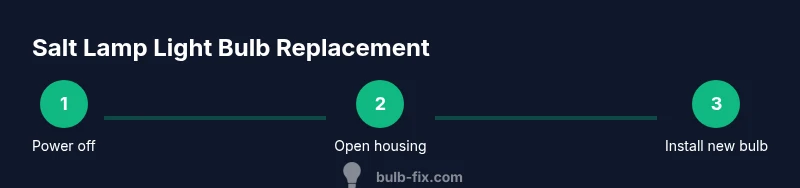
Replacing a salt lamp light bulb is a simple maintenance task when done safely. Power off and unplug the lamp, then allow the bulb and housing to cool. Remove the housing or shade carefully to expose the bulb. Take note of the bulb’s base and size, and remove the old bulb by gently twisting or pulling as appropriate for the socket. Insert a replacement bulb that matches the base and wattage rating, then reassemble and plug in. Finally, test the lamp to confirm even glow and check for heat or unusual smells. If the lamp becomes hot to the touch after replacement, power off and recheck the bulb compatibility.
Placement and heat management for longevity
Where you place your salt lamp affects bulb performance and longevity. Position the lamp on a heat-resistant surface away from flammable materials and high-traffic areas where it can be accidentally bumped. Avoid placing lamps in direct sunlight or near air vents that might cause rapid temperature changes. A stable environment reduces moisture buildup and salt crust formation on the bulb. If you notice fogging around the bulb, turn off the lamp and inspect for moisture intrusion in the salt block. Adequate clearance around the lamp allows air to circulate, helping to dissipate heat from the salt lamp light bulb and extending its life.
Maintenance and cleaning tips for salt lamps
Regular maintenance keeps light quality steady. Dust the exterior with a dry microfiber cloth weekly, and wipe away any salt crust with a dry brush or cloth. Do not use water or liquid cleaners near the bulb or cord. If you see condensation on the salt block, unplug the lamp, wait for it to dry, and then reassemble. A dusty socket or metal contact can cause poor connections, so occasional light cleaning of the socket area is worthwhile. Keep pets away from the lamp to prevent disturbance or accidental removal of the bulb. By following these practices, your salt lamp light bulb will operate safely and maintain a warm, inviting glow.
Troubleshooting common bulb problems
If your salt lamp light bulb flickers or fails to light, first check the power connection and ensure the switch is on. Inspect the bulb for signs of wear, such as blackened tips or a bulb that looks cloudy; replace with a fresh compatible bulb. If dampness appears on the salt block, unplug and dry the area before continuing. Loose sockets can cause intermittent lighting; tighten the bulb gently and ensure it sits firmly in place. If problems persist, verify that the lamp is not overfilled with salt or moisture is entering the housing.
Authority sources
For general electrical safety standards and best practices, consult trusted sources like: • https://www.osha.gov • https://www.energy.gov • https://www.epa.gov
Quick-start checklist
- Verify lamp is unplugged before any bulb work
- Use a bulb within the lamp's wattage rating
- Choose a warm color LED or incandescent bulb with low heat
- Ensure base and socket compatibility before replacement
- Clean exterior with a dry cloth and inspect for moisture
Tools & Materials
- Replacement bulb compatible with your lamp(Check base type and wattage rating; bring old bulb for comparison.)
- Soft, lint-free cloth(For dusting the exterior and wiping minor salt crusts.)
- Safety gloves(Keep hands protected when handling glass bulbs.)
- Non-conductive cleaner or damp cloth(Use only for exterior cleaning away from electrical components.)
- Small screwdriver (if required by lamp design)(Only use if the lamp's housing requires removal of a panel.)
- Replacement LED or incandescent bulbs(Choose low heat and warm color to suit a cozy ambiance.)
Steps
Estimated time: 15-25 minutes
- 1
Power off and unplug
Ensure the lamp is disconnected from power and allow the bulb and housing to cool completely before touching anything. This reduces the risk of electric shock or burns.
Tip: Waiting 5–10 minutes after unplugging is a good safety margin. - 2
Access the bulb
Carefully remove the shade or housing to access the bulb. Remember the socket orientation and how the components are assembled for reassembly.
Tip: Handle glass components with a dry cloth to prevent slipping. - 3
Remove the old bulb
Gently twist or pull the old bulb out of the socket depending on your lamp design. Do not force if it resists.
Tip: Take note of the base type so you select a correct replacement. - 4
Choose a replacement
Select a bulb that matches the lamp’s rating and base. For safety and efficiency, a warm LED often works well.
Tip: If in doubt, bring the old bulb to compare size and base. - 5
Install the new bulb
Insert the new bulb securely and reattach the housing. Ensure the bulb sits snugly without forcing.
Tip: Avoid touching the glass with bare hands; oils can shorten bulb life. - 6
Test and reassemble
Plug in, switch on, and observe a steady glow. If flickering occurs, recheck connections and compatibility.
Tip: If hot spots appear, power off and reassess bulb choice. - 7
Clean and inspect
Wipe the exterior, inspect for moisture, and ensure the salt block remains dry.
Tip: Regular cleaning helps maintain light quality and longevity.
Got Questions?
Can I use any LED bulb in a salt lamp?
Yes, as long as the base matches and the wattage is within the lamp's rating. LED bulbs typically produce less heat and are energy efficient, making them a common choice for salt lamps.
Yes. Make sure the base matches and the wattage is within the lamp's rating; LED bulbs are popular for safety and efficiency.
What wattage should I use for a salt lamp?
Select a bulb within the lamp's rated wattage and choose a warm color temperature to preserve the cozy glow. Avoid high wattage that can overheat the salt block.
Choose a bulb within the lamp's rating and a warm color; avoid high wattage that overheats the salt.
Is it safe to leave salt lamp plugged in all the time?
Most salt lamps are designed for continuous use, but monitor for overheating or moisture. Unplug if you notice unusual warmth or signs of moisture.
Yes, many are designed for continuous use, but unplug if it gets unusually hot or damp.
How often should I replace a salt lamp bulb?
Replace when the light dims or the bulb fails. LED bulbs last longer, but always follow the lamp's rating for best results.
Replace when it dims or burns out; LEDs last longer but stay within the lamp's rating.
Why is my salt lamp not lighting after bulb replacement?
Check the power connection, ensure the new bulb is seated correctly, and confirm the socket is compatible. Inspect for moisture around the salt block.
Check power, seating, compatibility, and moisture near the block.
Can I use a dimmable bulb with a salt lamp?
If the lamp is rated for dimming, a dimmable bulb is fine. Ensure the dimmer does not cause excess heat or flicker for the salt lamp light bulb.
Only if the lamp and dimmer are rated for dimming; otherwise avoid flicker and extra heat.
Watch Video
Key Points
- Choose a salt lamp light bulb that matches the lamp's rating.
- LED options often provide safer, cooler operation.
- Unplug before changing bulbs and handle components carefully.
- Keep the salt block dry and maintain clean contacts for optimal light.
- Proper placement extends lamp life and preserves the warm glow.