How to Replace Bulb in Salt Lamp: Step-by-Step
Learn how to safely replace the bulb in a salt lamp with clear steps, bulb compatibility tips, and maintenance guidance from Bulb Fix.


By following this guide, you’ll successfully replace bulb in salt lamp. You’ll confirm bulb compatibility, unplug before work, and complete a clean, safe swap without damaging the lamp. This quick answer previews the steps and safety considerations for Bulb Fix readers. It focuses on a methodical, low-risk approach that minimizes heat exposure to the salt while preserving the lamp’s glow.
What a salt lamp is and why it uses a bulb
Salt lamps are decorative chunks of salt with a small lamp inside. The bulb heats the salt, producing a warm, ambient glow that many people find soothing. The bulb is a serviceable electrical component; when it burns out, the lamp loses its glow. According to Bulb Fix, salt lamps are generally designed for simple bulb replacements, and the process should be done with care to protect the salt, the cord, and the socket while avoiding moisture and static shocks. Before you attempt a change, ensure your lamp is unplugged and cool to the touch.
Choosing the right bulb type for your salt lamp
The most important factor is compatibility: base type, size, and wattage rating. Salt lamps vary in base size and socket style, so always verify the lamp’s label or user manual for the correct bulb. Use a bulb with a wattage well within the recommended limit; using a higher wattage can overheat the salt and the plastic components. If you’re unsure, bring the old bulb to a hardware store to compare, or consult the Bulb Fix guidance on bulb compatibility for decorative lighting. LED options are possible in some lamps, but ensure they don’t overheat and that their heat output is low enough to protect the salt crystal from sweating or cracking.
Safety and preparation: before you touch the lamp
Safety comes first when replacing a bulb in salt lamp: unplug the lamp from the outlet and wait for the lamp to cool completely. Keep the work area dry and free of liquids. If the lamp uses a shade or glass cover, remove it only after you’ve turned off power and ensured the area is stable. Wear gloves or use a cloth to handle the bulb to avoid oils on your skin transferring to the glass, which can cause hotspots. Inspect the plug, cord, and socket for signs of wear or damage; if you notice cracks or corrosion, stop and replace the lamp or seek professional help.
Tools and materials you’ll need
Before starting, gather only the items that are essential. The primary item is a replacement bulb with a compatible base and wattage for your lamp. Also have a soft microfiber cloth for cleaning, a small pair of pliers or a screwdriver if your lamp shade needs removal, and a dry, clean workspace. Optional items: lint-free gloves to keep fingers clean, and a non-slip mat to prevent the lamp from sliding. Having these tools ready reduces the risk of dropping and damaging the globe or the salt structure.
Step-by-step overview (high level)
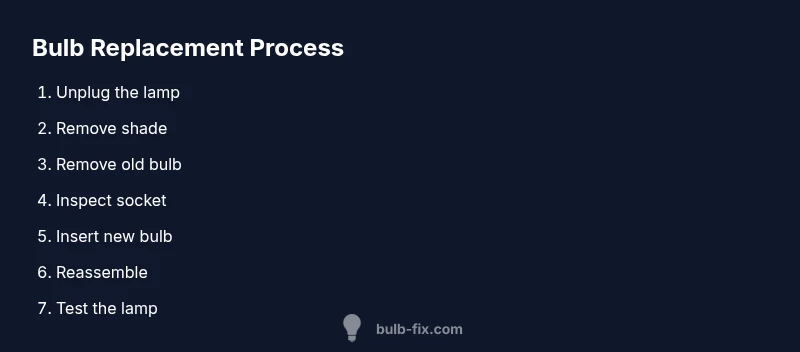
The process is straightforward but requires attention to detail: unplug, remove any shade, take out the old bulb, inspect the socket, insert the new bulb, reassemble, then plug back in and test. The goal is to replace the bulb without disturbing the salt crystal or the lamp base. If anything feels loose or damaged, stop and reassess rather than forcing parts.
Accessing the bulb safely: shade removal and socket inspection
If your lamp uses a shade, carefully detach it while stabilizing the salt block. Inspect the socket for signs of corrosion, burn marks, or loose contacts. Any damage to the socket means the lamp should not be used until repaired. Use a flashlight to illuminate the interior and confirm there are no hairline cracks in the bulb seal. This step protects both you and the lamp during the replacement process.
Common issues after replacement and how to avoid them
If the lamp flickers, the bulb may not be seated fully, or the socket contact could be dirty. Clean the contact points with a dry cloth and reseat the bulb. If the lamp stays dark, recheck the power source and outlet. Overheating can occur if a bulb is too powerful for the socket; always adhere to the lamp’s rating and avoid rapid on/off cycling, which can shorten bulb life.
Caring for your salt lamp after replacement
Wipe down the exterior with a soft, dry cloth to remove dust and oils. Keep the lamp away from moisture and avoid exposing it to direct water spray. If the salt dries out slightly, you may notice less glow; in such cases, ensure the bulb is not over-lubricating heat through the salt. Regular gentle cleaning helps preserve the salt integrity and visual appeal.
LED bulbs in salt lamps: pros and cons
LED bulbs generate less heat and have longer lifespans, which can be advantageous for salt lamps. However, not all LED bulbs are compatible with every lamp base or socket design. Check the lamp’s label and prefer LED bulbs labeled for decorative lighting with low heat output. If unsure, choose a warm, dimmable bulb to maintain the lamp’s ambiance without stressing the salt.
Disposal and environmental notes for old bulbs
When a bulb reaches end-of-life, dispose of it according to local guidelines. Do not drop or crush the bulb, especially if it is a compact fluorescent lamp (CFL) or contains other hazardous materials. Recycle where possible and store replacement bulbs in a cool, dry place away from children and pets. Proper disposal reduces environmental impact and keeps your workspace safe.
Heat management and long-term maintenance
Salt lamps produce a gentle heat that helps preserve the crystal but requires careful maintenance to avoid stress on the salt. Ensure the lamp is on a heat-safe surface and that the cord is not bent or pinched. Periodically inspect the base and socket for signs of wear, and replace components promptly to preserve lamp performance and safety.
Final notes on care and safety
Replacing the bulb in salt lamp should be a routine, safe task when you follow steps, ensure proper compatibility, and unplug before handling. Keeping safety at the forefront minimizes risk and preserves the lamp’s warm glow for years to come. If you feel uncertain at any step, consult Bulb Fix resources or seek a qualified electrician for assistance.
Tools & Materials
- Replacement bulb with compatible base(Check base type and wattage rating on lamp label; bring old bulb for comparison if unsure)
- Soft microfiber cloth(For cleaning bulb contacts and lamp exterior)
- Gloves (optional)(To avoid fingerprint oils on delicate glass and contacts)
- Screwdriver or shade removal tool (optional)(Only if your lamp shade is secured with screws)
- Dry, non-slip workspace(Place on a stable surface to prevent slipping or tipping)
Steps
Estimated time: 15-25 minutes
- 1
Unplug the lamp and prep the area
Unplug the lamp from the outlet and place it on a stable, dry surface. Allow the lamp to cool completely before touching any internal parts. Keeping the area clean reduces the risk of dust entering the socket during replacement.
Tip: If the lamp is warm, wait longer; never touch hot glass or metal directly with bare hands. - 2
Remove the shade or cover if present
If your lamp has a shade or glass cover, detach it carefully according to its design. Support the parts to avoid accidental movement that could crack the salt block. Set the shade aside on a soft surface.
Tip: Use a cloth to cushion fragile pieces and prevent scratches. - 3
Remove the old bulb
Grasp the bulb by the base and rotate counterclockwise until it loosens. If it resists, pause and re-check that you are turning the correct direction and that the base is not damaged. Do not pull on the glass portion.
Tip: Never twist the bulb by the glass; handle only the base. - 4
Inspect the socket and contacts
Look for corrosion, bent contacts, or signs of heat damage inside the socket. Wipe away any dust with a dry cloth. If you see damage, do not insert a new bulb and seek professional help.
Tip: Use a flashlight for a thorough look and avoid touching the metal with damp hands. - 5
Choose and prepare the replacement bulb
Select a bulb with a compatible base and wattage rating. Remove any protective packaging and verify the bulb orientation. If in doubt, bring the old bulb to compare sizes.
Tip: Double-check the lamp label for maximum wattage before inserting. - 6
Install the new bulb
Align the base with the socket and insert gently. Turn clockwise until snug, but do not overtighten; excessive force can deform the socket or crack the salt.
Tip: If resistance is felt, stop and re-align before continuing. - 7
Reattach the shade/cover
Place the shade back onto the lamp and ensure all parts sit evenly. Inspect for any contact between the bulb and shade, which can cause hotspots or heat buildup.
Tip: Ensure nothing is touching the bulb that could trap heat. - 8
Test the lamp
Plug the lamp back in and switch it on. Observe a steady glow and minimal warmth on the salt surface. If the lamp flickers or does not light, recheck seating and power.
Tip: If it flickers, reseat the bulb and test again before switching off.
Got Questions?
What bulb base does a salt lamp use?
Most salt lamps use a small screw-in bulb; always verify the base type and maximum wattage on the lamp label before replacement.
Most salt lamps use a small screw-in bulb; check the label to confirm the base type and wattage.
Can LED bulbs be used in salt lamps?
LED bulbs can be used if the base and heat output are compatible with the lamp’s design. Check the label for heat and wattage limits.
LED bulbs can work if they match the base and heat limits on the lamp label.
Is it dangerous to replace a salt lamp bulb?
No inherent danger if you unplug the lamp and let it cool completely before handling. Keep liquids away from the work area.
It's safe if you unplug and let it cool, keeping liquids away.
What should I do if the lamp won’t light after replacement?
First, recheck that the bulb is seated properly and that the outlet works. If the socket appears damaged, stop and seek professional help.
Recheck seating and outlet; if the socket looks damaged, seek help.
How often should I replace the bulb?
Replace when brightness dims or color changes noticeably. Decorative salt lamps typically have long-lived bulbs, but performance depends on use.
Replace when it dims or colors shift; bulbs last a long time with proper care.
Are other bulb types allowed in salt lamps?
Only use bulbs that the lamp label approves. In general, stick to standard decorative bulbs or LEDs rated for low heat.
Use only bulbs approved on the lamp label; usually standard decorative bulbs or low-heat LEDs.
Watch Video
Key Points
- Unplug before handling any electrical parts.
- Check bulb base and wattage before replacing.
- Insert the new bulb snugly without forcing.
- Test in a dry, stable environment after replacement.