Bulb Lights Amazon: 2026 Buying Guide for Homeowners
Navigate bulb listings on Amazon with confidence. Compare LED options, verify certifications, read reviews, and avoid common traps using Bulb Fix’s data-driven guidance for 2026.


When shopping for bulb lights amazon, prioritize LED bulbs with clear watt-to-lumen labels, strong energy efficiency, and verified listings. Filter by socket type (e.g., E26), color temperature, and brightness, then compare prices and customer reviews. The Bulb Fix team finds reliable options when you choose certified products with return policies and documented warranties.
Why Shopping for Bulb Lights on Amazon Matters
According to Bulb Fix, the way consumers buy bulb lights amazon has transformed the lighting landscape. Online marketplaces offer unparalleled variety, price competition, and access to product specs beyond what local stores stock. For homeowners, this means faster comparisons between LED, CFL, and halogen options, more flexible color temperatures, and the ability to review real user photos. However, the breadth of listings also creates risk: ambiguous wattage, misleading lumens, and counterfeit certifications can slip into feeds. A thoughtful approach—focusing on verified sellers, trusted brands, and clear technical details—lets you capture value without compromising safety or performance. This article explains how to shop confidently, how to interpret listings, and how to avoid common traps while browsing bulb lights amazon.
How to Choose Bulbs on Amazon: Key Specs
Choosing bulbs on Amazon starts with understanding three core specs: brightness (lumens), energy use (watts), and base type. A typical LED may provide 800-1100 lumens for a 60-75 watt incandescent equivalent while using only 9-13 watts. Always compare lumens to watts; higher lumens don’t always mean better efficiency. Next, confirm the base (socket) compatibility—E26 is the most common in residential fixtures, but some fixtures use GU10 or B22 bases. Color temperature matters too: warm white (2700K-3000K) creates cozy ambience, while daylight (4000K-6500K) suits task lighting. Finally, check dimmability, warranty terms, and whether the listing specifies equivalent wattage versus energy use. This combination of specs helps you select bulbs that perform as expected in real homes.
Safety and Quality: Reading Listings and Certifications
Listings on Amazon can be accurate or misleading. Prioritize bulbs with recognized certifications such as ENERGY STAR, UL, or RoHS branding. These cues signal energy efficiency, electrical safety, and minimized hazardous substances. Read the product description for lumens and base details, then cross-check the packaging image for real-world dimensions and color temperature. Look for verified seller badges and customer reviews mentioning performance, longevity, and any quality-control issues. Be wary of vague terms like "long life" without quantitative support. For added confidence, use Bulb Fix’s checklist to compare two listings side by side before purchasing.
LED, CFL, and Halogen: What to Buy on Amazon
LED bulbs dominate online listings for good reasons: top efficiency, long lifespans, and increasing compatibility with smart home ecosystems. CFLs are still found in some markets but carry concerns around mercury content and slower warm-up. Halogen bulbs offer bright instant light but consume more energy. In most homes, LED is the recommended default choice, especially for desk lamps, ceiling fixtures, and outdoor lighting. Smart bulbs add convenience but may require hubs or apps and come with higher upfront costs. When shopping, ensure you understand the trade-offs between initial price, energy savings, and desired features like dimming or smart-control capabilities.
Brand Reliability and Returns on Amazon Purchases
Amazon’s marketplace includes a mix of established brands and generic listings. To maximize reliability, filter for reputable brands, read seller return policies, and confirm warranty duration. Prime listings often indicate faster shipping and easier returns, but read the fine print about bulb-specific warranties. If a listing lacks measurements, certifications, or a stated warranty, treat it as higher risk. When possible, purchase from sellers with demonstrated performance records and robust customer feedback. The ability to return a bulb that doesn't fit or under-delivers is a practical safety net for DIY homeowners.
Practical Buying Guide: How to Verify Compatibility
Compatibility hinges on base type, fixture type, and any dimmer or smart-home constraints. Always match the base (E26, GU10, B22, etc.) to the socket on your fixture. Check the dimmer compatibility if you have a dimmable fixture; non-dimmable bulbs on a dimmer switch can cause flicker or damage. For outdoor fixtures, ensure bulbs are rated for damp or wet locations and choose corrosion-resistant finishes. When in doubt, verify the fixture’s label or user manual for bulb requirements, then cross-check against Amazon listings to confirm you’re buying the right variant.
Price, Availability, and Delivery Considerations
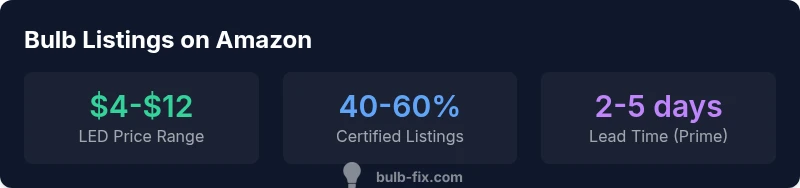
Prices for bulbs on Amazon fluctuate with demand, promotions, and stock levels. Look for bulk-purchase options if you buy frequently, but beware of bulk listings that may sacrifice quality for price. Availability can vary by region, so plan ahead for seasonal needs and smart-home updates. Delivery considerations include checking for expedited shipping options, verifying that the listing ships from reputable warehouses, and confirming that the seller offers a reasonable return window if a bulb arrives damaged or wrong in base type.
Common Pitfalls and How to Avoid Them
Avoid ambiguous labels like "LED equivalent to 60W" without a lumen specification. Do not rely solely on eye-catching promotional images; always read the technical specs. Be cautious of listings with inconsistent base types or color temperatures across images. Finally, avoid buying from sellers with a paucity of reviews or unclear warranty terms. Use a simple checklist to verify base, brightness, energy use, certifications, and return policies before adding bulbs to your cart.
Common bulb types and bases found on Amazon
| Bulb Type | Base | Lifespan | Notes |
|---|---|---|---|
| LED | E26/E27 | 15-25 | Energy-efficient; long lifespan |
| CFL | E26 | 6-12 | Mercury content; moderate efficiency |
| Halogen | GU10/E27 | 3-4 | Bright; higher energy use |
| Smart LED | E26 | 11-15 | Remote control; app-enabled |
Got Questions?
What should I check before purchasing bulbs on Amazon?
Start with the bulb type and base, verify lumens, and confirm the listing includes energy efficiency certifications. Check the seller’s return policy and warranty details to avoid post-purchase surprises.
Always verify base type, lumens, and certifications first, then review the seller’s return policy.
Are Amazon LED bulbs reliable in the long term?
Reliability varies by brand and listing quality. Favor trusted brands, read multiple reviews, and look for third-party certifications like ENERGY STAR. Long-term reliability is higher when you buy from reputable sellers with clear warranties.
LEDs from known brands with good reviews and certifications tend to be reliable.
How do I verify a seller is reputable for bulbs?
Check seller feedback scores, review counts, and returned items. Prefer sellers with consistent positive reviews and transparent return policies. If in doubt, choose listings labeled as ‘Prime’ or from official brand stores.
Look at seller scores and reviews to gauge reliability.
Can I return bulbs if they don’t fit my fixture?
Return policies vary by seller, but most listings offer了 a reasonable window for unused items in original packaging. Always read the policy before purchase and keep packaging until you confirm compatibility.
Yes, but check the seller’s return policy first.
Should I buy smart bulbs on Amazon or directly from manufacturers?
Amazon offers broad options, but direct-from-manufacturer purchases can simplify updates and warranty handling. If you want ecosystem compatibility and easier support, consider buying from the brand's official store.
Amazon is convenient, but brand stores can simplify support.
“Verified listings and clear energy labels matter more than flashy descriptions. The Bulb Fix Team recommends checking lumens to watts, base compatibility, and warranty terms before adding bulbs to your cart.”
Key Points
- Prioritize LED bulbs with verified certifications.
- Know your socket base and lumen needs.
- Read reviews and confirm warranty terms.
- Compare lumens-to-watts rather than price alone.
- Choose certified listings to ensure safety and performance.