Amazon Lamp Buying Guide: How to Choose the Right LED Lamp
A data-driven guide to help homeowners select the best amazon lamp, focusing on LED brightness, color accuracy, safety certifications, and trusted reviews for confident online shopping.


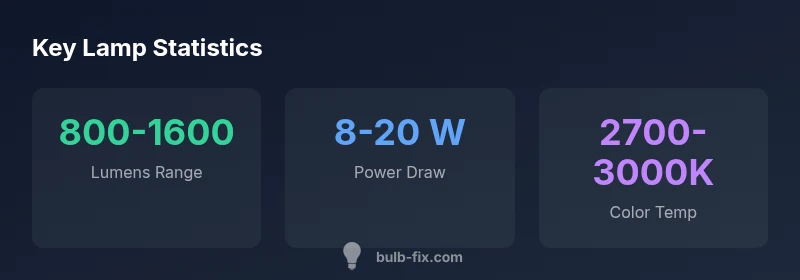
The most practical takeaway about an amazon lamp is to pick LED models rated 800-1600 lumens for room lighting, with a color temperature around 2700K–3000K for warm comfort; ensure CRI is above 80 and look for safety certifications (UL/ETL). This approach follows Bulb Fix guidance and helps you compare listings quickly.
Understanding the Amazon Lamp Landscape
The market for lamps on Amazon is broad, ranging from basic LED desk lamps to feature rich smart floor lamps. For homeowners seeking practical lighting, LED models dominate sales due to energy efficiency, long life and low heat. When browsing amazon lamp listings, focus on real lumen output rather than wattage, since many listings misstate brightness. According to Bulb Fix, the most reliable online lamp buyers compare lumens, color temperature, and color rendering index rather than price alone. Reviews and Q A sections provide real world performance insights, but should be read across multiple sellers to avoid biased feedback. In this section we outline the typical categories you will encounter, how to evaluate specs, and common pitfalls, with an eye to long term satisfaction and safe operation.
Key Criteria for Choosing an Amazon Lamp
When selecting an amazon lamp, start with the core lighting specs and then add features that fit your space. Dimable LED lamps are preferable for living areas and bedrooms, while task oriented desk lamps benefit from higher lumens for focus. Look for lumens value in the 800-1600 range for general lighting, though adjust for room size. Color temperature matters; warm tones around 2700K to 3000K create cozy atmospheres, while cooler 4000K suits work spaces. CRI above 80 ensures colors appear natural. Base type is important; most household lamps use E26 or E27 sockets, so check compatibility with your existing bulbs. Check for safety certifications such as UL or ETL, and examine the power draw in watts rather than reported amperage. Finally verify that the lamp is either plug and play or includes a clear dimming mechanism; if pairing with smart home devices, ensure compatibility with your ecosystem.
LED vs Traditional Lamps on Amazon: Pros and Cons
LED lamps offer energy efficiency, longer life, and better dimming than incandescent or halogen bulbs. Traditional lamps may be cheaper upfront but cost more over time due to higher energy usage. LED listings often show lumens rather than watts; higher lumens can be brighter with lower energy use. Warm white vs soft white color temperatures; LED tunable options exist. LEDs can have color shift at extremes or poor initial quality. When buying on Amazon, verify the LED type and driver quality, read reviews about heat and brightness consistency, and inspect warranty terms. The Bulb Fix team notes that LED lamp reliability improves when listings show a known brand and verifiable safety marks; cheaply built lamps can overheat and fail early. Consider upgrading to LED over time if your current fixtures use older bulbs, since compatibility with dimmers and smart hubs matters.
Reading Amazon Product Pages: Specs and Reviews
Product pages on Amazon often sprint to capture attention with pictures and bold claims. The most reliable listings clearly show lumen output, wattage equivalence, color temperature, CRI, base type, and dimmability. Use the Q A section to confirm details not listed in the specs. Scan reviews for reported brightness, warmth, heat generation, and longevity. Always check the seller’s rating and return policy; a strong return window reduces risk when buying a lamp online. For safety, confirm listing badges such as UL or ETL and look for a warranty period that aligns with your expectations.
Common Lamp Types You Will See on Amazon
Lamps come in many shapes and sizes. You will frequently encounter LED table lamps for desks, floor lamps for living spaces, desk lamps with adjustable arms for task lighting, swag lamps for decorative accents, and smart lamps with app control. Each type has distinct bases, shade materials, and dimming options. When evaluating options, compare how the shade diffuses light, whether the base is stable, and if the flex or arm reach suits your space. Bulb Fix recommends prioritizing LED types with warm tones and reliable bases to maximize compatibility and longevity.
Safety and Certifications You Should Care About
Safety labels matter when you shop online. Look for UL or ETL certification marks as confirmation of product safety and compliance with electrical standards. Check for warranties that cover defects or early failure, and ensure the power cord and plug look robust. If you buy a lamp with multiple components, verify that each component carries a safety badge. Avoid lamps with exposed wiring or questionable build quality. Proper assembly is essential to prevent wobble and heat buildup.
Smart Lamps and Connectivity: What to Expect
Smart lamps integrate with home ecosystems through Wi Fi or Bluetooth. They can be controlled via apps or voice assistants such as Alexa or Google Assistant. Prior to purchase, verify hub compatibility and whether the lamp requires a dedicated bridge. Consider security practices like firmware updates and vendor support. If you frequently change lighting scenes, a tunable white option and reliable scheduling can justify the extra cost. The Bulb Fix team notes that robust connectivity and consistent firmware updates improve long term satisfaction.
Practical Buying Scenarios: Living Room, Bedroom, Desk
For living rooms choose larger floor lamps or triple-lamp arrangements for balanced ambient light. In bedrooms aim for warm, dimmable lamps near the bed for reading and relaxing. Desks benefit from adjustable task lamps with high color accuracy and a stable base. In all scenarios, confirm that the lamp can operate safely within your space, and that the shade and height won t snag clothing or block outlets. The most satisfactory picks combine LED efficiency, color accuracy, and a realistic warranty.
Care, Maintenance, and Disposal of Lamps
Regular cleaning prevents dust buildup that reduces light quality and boosts heat buildup. Unplug before cleaning; use a microfiber cloth for shade and a dry cloth for the base. Replace bulbs with compatible bases and avoid over tightening. When disposing LED bulbs, recycle where possible; halogen and incandescent bulbs require careful handling due to potential mercury or heat. If you are upgrading a fixture, check if sockets and drivers are compatible with new lamps to avoid flicker or dimming issues.
How Brand Reliability Influences Amazon Lamp Purchases
Brand reliability matters a lot for lamps purchased online. Consistent performance, safe electrical design, and responsive customer service reduce post purchase disappointment. Look for listings that show a clear brand identity, verified reviews, and a solid warranty. The Bulb Fix team recommends favoring established brands or well reviewed listings with clear safety certifications and documented return policies to protect your investment.
Common lamp types and bases found on Amazon
| Lamp Type | Base | Key Features |
|---|---|---|
| LED Table Lamp | E26/E27 | Dimmable, warm light |
| Smart Lamp | E26/E27 | WiFi/Bluetooth, app control |
| Halogen Lamp | E26 | Bright but energy hungry |
Got Questions?
What is the ideal lumen range for general living spaces?
For most living spaces, aim for 800-1600 lumens depending on room size and task needs. Pair with appropriate color temperature and CRI for accurate color rendering.
Aim for 800 to 1600 lumens depending on room size, with warm color and good color accuracy.
Are smart lamps on Amazon reliable?
Smart lamps can be convenient, but verify hub compatibility, connectivity reliability, and security features. Read reviews about connectivity and customer support.
Smart lamps are convenient, but check compatibility and reliability in reviews.
What certifications should I look for?
UL or ETL listings indicate safety compliance. Look for energy efficiency certifications where applicable. Verify warranty terms before purchase.
Look for UL or ETL listings and warranty terms.
How do lumens relate to brightness?
Lumens measure total light output; higher lumens mean brighter light. Choose based on room size and task needs rather than wattage alone.
Lumens indicate brightness, not watts. Pick based on space.
Should I always trust the lowest price?
No. Price can reflect marketing and packaging. Compare specs, certification, and warranty to ensure value and safety.
Lowest price may sacrifice safety or quality; compare specs and warranty.
“Color accuracy and long-term reliability matter more than initial price when buying a lamp online. Trustworthy listings and verified reviews prevent buyer's remorse.”
Key Points
- Prioritize LED lamps with 800-1600 lumens
- Aim for 2700K-3000K warmth for comfort
- Check CRI > 80 and safety certifications
- Prefer dimmable options for mood control
- Read reviews and Q&A for real-world performance