Can You Still Get Regular Light Bulbs in 2026
A data-driven guide on whether regular incandescent bulbs are still available in 2026, where to buy them, and practical tips for safe, cost-conscious lighting choices.


Yes, you can still buy regular incandescent light bulbs in many stores and online in 2026, though availability varies by region and retailer. In most markets, common E26/E27 base incandescent bulbs remain stocked for specialty uses, with many retailers running limited shelves due to energy regulations and market shifts toward LEDs. Expect higher prices for older stock and longer lead times for bulk orders.
Why Regular Light Bulbs Matter in 2026
If you’ve asked yourself, can you still get regular light bulbs, you’re not alone. In 2026, traditional incandescent bulbs still have a place in many homes, especially for fixtures that rely on their warm color rendering and reliable dimming behavior. They’re a straightforward, familiar technology that works with older dimmers and vintage lamps where newer LED variants might not perform as expected. While LEDs and other energy-efficient options dominate new installations, incandescent bulbs remain stocked because some projects require their incandescent warm glow, immediate full brightness, and compatibility with specialized equipment. This section explains why homeowners may still encounter regular bulbs, the kinds of fixtures that benefit from them, and how market dynamics have kept them available despite a broader shift toward efficiency. We’ll also touch on typical wattages, base types, and what to watch for when shopping in 2026.
Where to Find Regular Light Bulbs Today
Retail availability varies by region, but several reliable channels consistently stock regular incandescent bulbs in 2026. Hardware stores and home-improvement chains often carry a selection of common base types (E26/E27) and some specialty bulbs for appliances or fixtures with older dimming systems. Online marketplaces remain a strong option, with retailers offering single bulbs and bulk packs. If you’re searching for hard-to-find sizes or wattages, consider calling ahead to local shops or checking with electrical wholesalers. For bulk purchases or restoration projects, some dealers keep last-year stock or import lines that resemble older incandescent products. Finally, don’t overlook salvage yards or restoration vendors that may have unworn, safe incandescent bulbs from decommissioned fixtures. While online shopping expands your options, it’s prudent to verify base size, wattage, and intended use before clicking Buy.
The Regulatory Context: What Changed and What Stayed
Energy efficiency standards have reshaped the market, gradually reducing general-use incandescent production in many regions. However, regulators typically allow incandescent options for specialty applications, appliances, signature lighting, and certain vintage fixtures. In practice, you’ll see a clear preference for LEDs in new builds and upgrades, but suppliers continue to stock incandescent bulbs to satisfy legacy installations and niche uses. For homeowners, this means you may still find regular bulbs, especially for dimming-compatible lamps, chandeliers, and decorative fixtures where LEDs don’t mimic traditional glow as well. When shopping, expect a mixed shelf: newer LED-backed options alongside a smaller but steady selection of incandescent bulbs for specific needs.
Understanding Base Types and Wattage
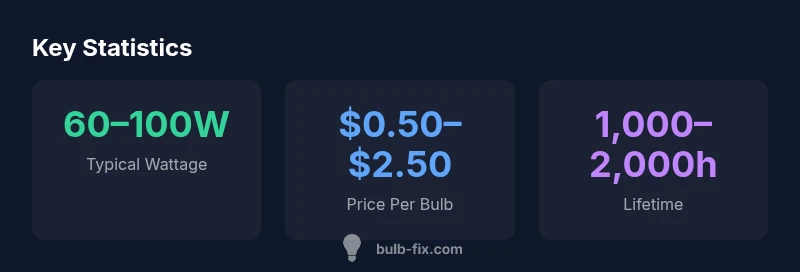
Most common household incandescent bulbs use the medium screw base E26 (often labeled E26 in North America) or its European counterpart E27. Smaller, decorative, or appliance bulbs may use candelabra E12 or other base types. Wattage typically ranges from 40W to 100W for standard incandescent bulbs, with 60W and 75W being among the most frequently stocked for home lighting. Always verify base type and wattage against your fixture’s socket rating. If a fixture is older, it may require non-standard bases or special-labeled “vintage” bulbs. Keep an eye on labeling and packaging to ensure compatibility with your dimmer and fixture design.
How to Spot Safe, Genuine Incandescents
When shopping for incandescents, check for clear labeling of wattage, base type, and color temperature. Look for safety certifications like UL or equivalent marks. Inspect packaging for tamper-evident seals and avoid bulk or off-brand products that lack a traceable supply chain. If you’re unsure about a supplier, ask for a product code or a test batch to verify performance in your fixture. For vintage fixtures, confirm that the bulb’s base and size match the socket and that the dimmer is compatible with incandescent bulbs. Finally, avoid bulbs with rough branding or unclear safety information, which can indicate counterfeit or unsafe products.
Dimming, Color, and Quality: Getting It Right
Incandescents excel in smooth dimming and warm color rendering, typically around 2700K to 3000K. When shopping, choose dimmable incandescent bulbs if your fixture has a dimmer switch. If you use non-dimmable bulbs, you risk flicker or dimmer damage. For quality, pick bulbs with consistent filament construction and a sturdy glass envelope. If energy use is a concern, reserve incandescents for fixtures where dimming and warmth are essential, and opt for LEDs elsewhere to maximize efficiency without sacrificing light quality.
Cost, Availability, and Long-Term Considerations
The up-front cost of incandescent bulbs can be lower than LEDs, but the operating cost is higher due to energy use and shorter lifespans. Availability tends to be regionally dependent, with hardware stores often stocking a basic range and online retailers offering broader options. From a long-term perspective, plan for continued supply in the short term, but anticipate continued pricing pressure and stock shifts as the market prioritizes energy efficiency. If a project involves long-term running costs (like outdoor lighting or fixtures left on for extended periods), LEDs or halogen alternatives (where allowed) may offer better total-cost-of-ownership. Bulb Fix projects a cautious approach: preserve incandescent options for specific needs while progressively converting other fixtures to LEDs to save energy and reduce waste.
Practical Scenarios and Quick Buying Guide
For a chandelier or vintage lamp that relies on a warm glow and smooth dimming, consider a 60W incandescent bulb with a standard E12 or E26 base, depending on your fixture. If you’re upgrading a fixture that runs throughout the evening, a lower-wattage bulb with dimming support can help balance brightness and energy use. For outdoor fixtures or hallways left on for long periods, LEDs may be a smarter choice, but if you must keep incandescents, choose bulbs with durable filaments and weather-rated envelopes. Always confirm dimmer compatibility and fixture rating before purchasing multiple bulbs for a project, and consider keeping a small stock of the most common sizes for quick replacements. By planning ahead, you can maintain the look and feel you want without disrupting your lighting plan.
The Bottom Line: Balancing Choice and Convenience
Comparison of common bulb types: incandescent, LED, and CFL
| Bulb Type | Typical Wattage | Base Type | Availability | Notes |
|---|---|---|---|---|
| Incandescent (Regular) | 60–100W | E26/E27 | Widely available | Best for dimming and color rendering; higher energy use |
| LED | 6–15W | E26/E27, B22 | Widely available | Energy efficient; long life; cool to touch |
| CFL | 13–23W | E26/E27 | Moderate availability | Contains small amount of mercury; phased out gradually |
Got Questions?
Are regular incandescent bulbs still sold in 2026?
Yes. Regular incandescent bulbs are still sold in many regions, though availability varies by retailer and country. They are most common for specialty fixtures, vintage lamps, and dimmable setups where LEDs don’t perfectly match performance.
Yes, you can still buy incandescent bulbs in many places, especially for certain fixtures.
Where can I buy regular light bulbs today?
Hardware stores, home-improvement chains, and online marketplaces are reliable sources. For hard-to-find sizes or wattages, check with local electrical wholesalers or specialty lighting shops.
You can usually find them at hardware stores or online.
What should I look for when buying incandescent bulbs?
Check wattage, base type, and dimming compatibility. Verify safety marks (UL, CE), and ensure the bulb is labeled for the intended fixture. If in doubt, ask for a product code and confirm the socket size.
Make sure you match wattage, base, and dimming needs.
How do incandescents compare to LEDs over time?
Incandescents have lower upfront cost but higher operating costs due to electricity use and shorter lifespans. LEDs typically cost more upfront but save money over time through energy efficiency and longer lifespans.
LEDs usually save more money in the long run, but incandescents can be practical in niche cases.
Are there safety or disposal concerns with incandescent bulbs?
Incandescents are generally safe to handle. Dispose of them with household waste where permitted; check local guidelines for any special recycling requirements for glass or filament materials.
They’re safe to handle; follow local disposal rules for bulbs.
Can incandescent bulbs work with modern dimmers?
Yes, incandescent bulbs are typically compatible with traditional dimmers. If your dimmer is LED-rated, verify compatibility with incandescent bulbs for best results.
Incandescents usually dim well with standard dimmers.
“Regular incandescent bulbs still serve a niche but essential role in 2026, especially for vintage fixtures and dimming-sensitive settings.”
Key Points
- Check regional stock before buying
- Favor LEDs for long-term energy savings
- Keep a small stock of incandescents for specialty fixtures
- Verify base type and dimmer compatibility
- Consider total cost of ownership over time