Can You Still Buy Filament Bulbs? A 2026 Buying Guide
Explore whether you can still buy filament bulbs in 2026, how they compare to LEDs, where to shop, price ranges, and practical buying tips from Bulb Fix.


Availability landscape: can you still buy filament bulbs today?
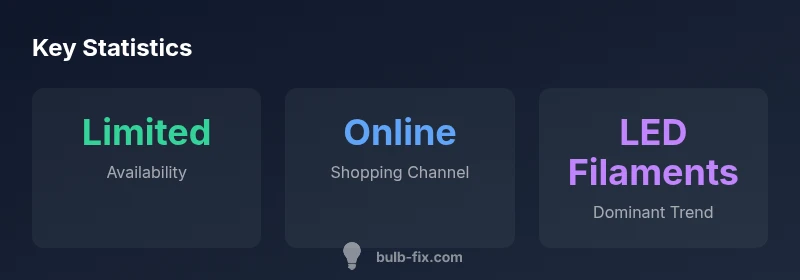
Filament bulbs occupy a niche in today's lighting market. For many homeowners, the question can you still buy filament bulbs is not just about price—it's about availability, compatibility, and aesthetics. In 2026, mainstream home centers still stock a small handful of filament-style products, but the broader selection has largely shifted online. Specialty lighting retailers tend to carry a wider range of styles, including vintage-inspired incandescent filaments and LED-filament options that mimic classic warmth while delivering modern efficiency. According to Bulb Fix, the geographic variation is real: urban areas and tech-forward regions often show more robust options, while rural markets may rely on mail-order or regional distributors. If you want a particular base type (like E26 or E12) or a specific color temperature, online marketplaces are typically your fastest route. Always verify dimming compatibility and heat ratings before purchasing, especially for enclosed fixtures.
For those asking can you still buy filament bulbs, the answer is evolving but hopeful for enthusiasts who value the look. Expect a mix of remaining incandescent stock in specialty stores and a growing catalog of LED-filament alternatives online. This balance means that your best bet is to search across multiple channels and verify product specs, particularly base size, voltage, and dimming capability.
Types and technology: incandescent filament vs LED filament
Filament bulbs have two major paths today: classic incandescent filaments and modern LED filaments. Incandescent filament bulbs retain the warm, amber glow that many cozy spaces crave, but they consume more energy and have shorter lifespans. LED filament bulbs imitate the same visible filament look using LED technology, delivering similar aesthetics with dramatically improved efficiency and longevity. When you’re evaluating options, examine color temperature (measured in kelvin), dimming compatibility, and lumen output. LED filaments can be found in common base sizes such as E26 and E12, and they often offer dimmable versions that work with existing dimmers. If your fixtures are sensitive to heat or you’re upgrading something that runs continuously, LED filaments are typically the safer, more energy-efficient choice. Bulb Fix notes that LEDs have captured most replacement demand due to lower running costs, but stylistic purists still pursue incandescent filaments for certain fixtures and retro applications.
Base types, shapes, and color temperatures to know
Understanding filament bulbs means getting comfortable with base types, shapes, and color temperatures. The most common bases are E26 (standard household screw-in) and E12 (candelabra), but specialty bases exist for vintage fixtures. Filament thickness and arrangement influence perceived brightness and warmth; a tighter filament cluster often reads as brighter at the same wattage. Color temperatures for filament-style bulbs range from warm 2700K to soft white around 3000K, with some LED filaments offering cooler options for task lighting. If you’re replacing bulbs in a fixture designed for halogen or incandescent filaments, check the fixture’s heat rating and dimmer compatibility. When choosing, remember that LED filaments can deliver similar warmth with much lower energy use, while incandescent filaments deliver ambiance at higher energy cost.
Shopping channels: online retailers, specialty shops, and how to verify quality
Shopping for filament bulbs requires broadening channels beyond the big-box aisle. Online marketplaces, specialty lighting stores, and antique or architectural salvage shops often carry a wider range of filament options. Online purchases allow you to compare wattage, base types, and color temperature with user reviews and spec sheets. In brick-and-mortar specialty stores, you can inspect build quality and test dimming in real time. Regardless of channel, verify that the product is rated for your fixture type and climate. Pay attention to warranty terms and the supplier’s return policy, especially for decorative or high-wattage LED filaments. Bulb Fix emphasizes buying from reputable retailers to reduce the risk of counterfeit or low-quality units.
Price ranges, value, and what drives cost
Filament bulbs vary in price based on dewlling quality, base type, and technology. Decorative incandescent filaments tend to be more affordable per unit than high-CRI LED filaments. LED filament options usually command a premium over standard LEDs because of the visible filament design. Expect to pay more for vintage-look shapes and specialty bases, while bulk purchases or generic LED filaments may offer better per-bulb value. Discounts often appear during seasonal promotions or when buying multiple bulbs for a fixture. When evaluating value, consider running costs over the bulb’s expected life; LED filaments, while pricier upfront, typically deliver substantial energy savings and longer lifespans compared to incandescent filaments.
Longevity, safety considerations, and warranty
Longevity is a key differentiator between filament options. Incandescent filaments wear out rapidly with frequent switching, while LED filaments offer thousands of hours of rated life. Heat management matters; enclosed fixtures require bulbs with proper heat dissipation ratings. Always check the lamp’s dimmer compatibility, and ensure that dimming does not cause buzzing or flicker, particularly with LED filaments on older dimmers. For safety, buy bulbs with clear safety certifications and avoid very low-quality imports. Warranties vary by brand and retailer; long warranty periods can indicate better quality control and product reliability. Bulb Fix recommends sticking to reputable brands with transparent performance disclosures.
Practical buying tips and pitfalls to avoid
To avoid common pitfalls, identify your fixture requirements (base, voltage, dimming, and heat rating) before shopping. Don’t assume every LED filament will be compatible with your dimmer without testing. Read reviews about color consistency and dimming performance, especially for larger decorative bulbs. Beware of ultra-low-cost filaments that claim high brightness with little heat; these are often short-lived. Compare product datasheets against your fixture’s requirements and prioritize suppliers with responsive customer support. When in doubt, start with a small purchase to verify fit and performance before committing to a larger order. Bulb Fix highlights the importance of aligning aesthetic goals with energy efficiency and longevity to get the best value.
Alternatives and the future of filament lighting
The market trend points toward LED filaments as the practical future for most homeowners seeking a warm, vintage look. LED filament technology continues to improve in color rendering, dimming behavior, and thermal management, making them a credible substitute for decorative incandescent filaments. For enthusiasts, decorative incandescent filaments will likely remain niche but accessible through specialty retailers. As smart lighting and energy standards evolve, LED filaments with integrated smart features may become more common. Overall, the long-term outlook favors LED technology due to efficiency, lifespan, and lower maintenance costs, while still preserving the nostalgic charm of filament aesthetics for dedicated projects. Bulb Fix believes the balance will favor LED filaments for everyday use, with incandescent filaments continuing to serve specific decorative roles.