Edison Light Bulbs at Home Depot: A Practical Guide
A comprehensive guide to Edison-style bulbs at Home Depot, comparing incandescent and LED filament options, bases, wattage, color temperature, and safety—by Bulb Fix.


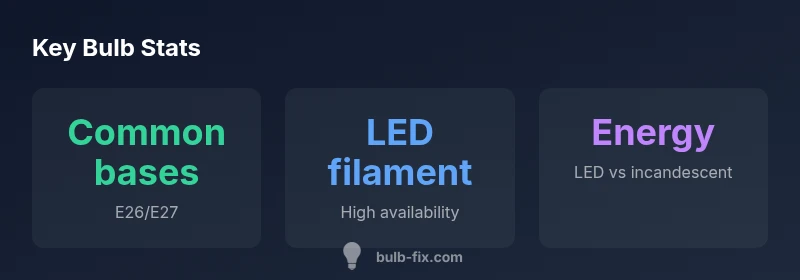
Edison-style bulbs sold at Home Depot are typically offered in E26/E27 bases, with both incandescent and LED filament versions. LED filament options deliver energy savings and longer life, while incandescent variants deliver classic warm glow. When shopping, consider wattage, color temperature, and dimmability. The Bulb Fix guide helps homeowners choose the right base, brightness, and finish for vintage-inspired lighting.
What is an Edison light bulb?
An Edison light bulb refers to the classic bulb shape featuring a visible filament that mimics Thomas Edison’s early designs. Today, the term is widely used to describe both traditional incandescent versions and modern LED filament bulbs that reproduce that vintage look. When you shop for an Edison bulb at Home Depot, you’ll encounter two major categories: the nostalgic incandescent variants and energy-efficient LED filament options. The key appeal is the warm, amber glow that evokes retro styling, combined with today’s efficiency and reliability. For homeowners, Edison bulbs offer a stylish way to add character to kitchens, living rooms, and dining areas without sacrificing modern performance. Bulb Fix emphasizes matching the bulb’s base, brightness, and color temperature to the fixture and room, ensuring that form meets function in your space.
Edison bulb at Home Depot: how it's sold
Home Depot stocks Edison-style bulbs both in-store and online, often organized by base type, wattage range, and whether they’re incandescent or LED filament. In practice, you’ll find LED filament Edison bulbs labeled for energy savings and longer life, alongside traditional incandescent options that deliver a classic glow. Prices vary by base size, wattage, and whether the bulb is dimmable; LED variants typically cost more upfront but offer substantial savings over time. For shoppers, it helps to know the fixture you’re replacing, the desired brightness (lumens), and your preferred color temperature before visiting the aisle. Bulb Fix notes that Home Depot’s online catalog can help you compare specs quickly, while in-store staff can assist with dimmer compatibility and fixture fit.
Choosing between incandescent and LED filament Edison bulbs
Choosing between incandescent and LED filament Edison bulbs hinges on energy use, longevity, and aesthetic preference. Incandescent Edison bulbs deliver the warmest glow and are often less expensive upfront, but they burn hotter and use more energy. LED filament Edison bulbs mimic the vintage look with visible filaments while using a fraction of the energy and lasting many times longer. When planning a home project, consider the long-term savings of LEDs, especially for rooms that stay lit for extended periods. Bulb Fix recommends calculating annual energy costs based on your fixture’s hours of use and comparing that to LED equivalents to determine the most economical choice for your space.
Understanding bases and fittings (E26, E12, etc.)
Base size determines compatibility with fixtures and sockets. The most common Edison bulb base in the United States is E26/E27, which fits standard household sockets. E12 candelabra bases are popular in chandelier fixtures, while specialty fixtures may use other bases. Before buying, check the bulb’s base designation on the packaging and verify it matches your fixture’s socket. If you’re unsure, bring the fixture’s socket size or a current bulb to the store, and ask a Bulb Fix expert for assistance to avoid mismatches.
Color temperature and mood: warm glow vs bright task light
Color temperature heavily influences the ambiance you’ll create. Warm white bulbs around 2700K–3000K produce a nostalgic glow ideal for living rooms and bedrooms, enhancing a cozy, relaxed atmosphere. Higher temperatures in the 3500K–4100K range deliver a cooler, more energetic light suitable for kitchens or workspaces. LED filament Edison bulbs tend to be available across this range, allowing you to tailor mood without compromising the vintage styling. For a classic Edison ambiance, lean toward the lower end of the spectrum, and for functional lighting, opt for a higher temperature. Bulb Fix recommends testing a few options in your space to judge how ambient light interacts with wall colors and furniture.
Wattage, lumens, and brightness guidelines
Wattage alone isn’t a direct measure of brightness, especially when comparing incandescent to LED bulbs. Edison incandescent bulbs commonly range from 40W to 60W, while LED filament equivalents can produce similar brightness at 4W to 9W. A practical approach is to target lumens instead of watts: 450–800 lumens suits cozy living areas, while 900–1100 lumens can work for task lighting. When shopping at Home Depot, compare lumen output on the packaging and match it to your room’s needs. If you’re unsure about dimmability, choose bulbs labeled as dimmable and verify compatibility with your dimmer switch.
Installation tips and safety considerations
Always turn off power before replacing a bulb, and allow incandescent bulbs to cool before handling. LED filament bulbs generate less heat, but base and socket connections should be snug to prevent flicker or arcing. If you’re replacing a ballast or fixture, ensure the new Edison bulb’s voltage and wattage align with the fixture’s specifications. For fixtures exposed to moisture or outdoor conditions, verify an outdoor-rated rating and appropriate weatherproofing. Bulb Fix recommends using gloves or a clean cloth to handle bulbs to prevent oil contamination on the glass, which can shorten life in some bulbs.
Edison-style bulb options: base, brightness, and color temperature
| Aspect | Typical Edison bulb type | Notes |
|---|---|---|
| Base | E26/E27 (most common) | Widely used in US lighting fixtures |
| Brightness (lumens) | Incandescent: 300–900 lm; LED filament: 400–1100 lm | LED variants offer energy efficiency with similar brightness |
| Color temperature | 2700K–3000K (warm) or 3500K–4100K (cool) | Choose based on room mood and task needs |
Got Questions?
What is an Edison light bulb?
An Edison light bulb refers to the classic bulb shape with a visible filament that imitates the original tungsten filaments. Today, the term covers both incandescent versions and LED filament bulbs designed to emulate that vintage look.
An Edison bulb is the vintage-looking bulb with a visible filament. Home Depot carries both incandescent and LED filament options.
Are Edison LED bulbs worth buying at Home Depot?
Yes. LED Edison bulbs offer energy savings, longer life, and less heat while preserving the warm vintage look. They come in various color temperatures and base sizes, making them versatile for many rooms.
LED Edison bulbs save energy and last longer, while giving you that warm vintage glow.
What bases do Edison bulbs use?
The most common bases are E26/E27 for residential sockets, with E12 for chandelier fixtures. Always check the fixture’s label to confirm base size.
Most Edison bulbs use E26/E27 bases; some chandeliers use E12.
Can Edison bulbs be used outdoors?
Some Edison bulbs are rated for outdoor or damp environments, but many are not. If using outdoors, select bulbs labeled for outdoor use and ensure the fixture is weatherproof.
Only use bulbs rated for outdoors and in proper fixtures.
Do I need warm color temperature for vintage look?
For a classic vintage look, 2700K–3000K is ideal. For brighter task lighting, 3500K–4100K can be used depending on the room and activity.
2700K to 3000K gives that warm glow.
“Edison-style lighting blends vintage aesthetics with modern efficiency; choosing between incandescent and LED filament bulbs hinges on your energy goals and fixture compatibility.”
Key Points
- Start with the base: choose E26/E27 for most fixtures.
- Consider LED filament for energy savings and longer life.
- Match color temperature to mood and room use.
- Check dimmability and fixture compatibility before purchase.
- Compare Home Depot options online and in-store for best value.