what are bulbasaurs attacks: A comprehensive guide to Bulbasaur’s moves
Discover what are bulbasaurs attacks, how Bulbasaur's move set evolves across generations, and how to craft a balanced, effective moveset with offense, utility, and status options.


what are bulbasaurs attacks refers to the moves Bulbasaur can use in Pokémon games. This quick definition highlights that Bulbasaur’s options span offensive Grass- and Poison-type moves, utility and healing-style moves, and status effects, with the exact list varying by game generation. Understanding these categories helps players tailor Bulbasaur’s attacks to their team and the specific challenge they face.
what are bulbasaurs attacks
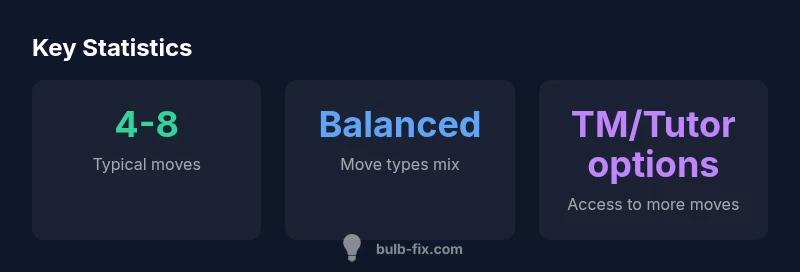
what are bulbasaurs attacks describes the collection of moves Bulbasaur can learn and use in Pokémon games. Bulbasaur is a Grass/Poison-type starter whose movepool blends direct damage with supportive options. Across generations, the core idea remains the same: Bulbasaur offers a mix of early, simple attacks and later opportunities to add utility or status effects. The exact moves Bulbasaur learns depend on the game version, level-ups, and available TMs/Tutors, so players should examine movepools for their specific title. In practice, you’ll balance these options to align with your team strategy, whether you’re aiming for quick wins in early battles or longer-term control in more complex encounters.
Offensive vs. Utility vs. Status Moves
Bulbasaur’s attacks can be grouped into three broad categories: offensive moves that deal direct damage, utility moves that provide battlefield control or buffs, and status moves that inflict conditions on the opponent or heal/refresh your own team. Offensive moves focus on Grass-type damage and type coverage, utility moves improve accuracy, speed, or limiting the foe, and status moves apply debuffs or healing hooks. While an exact list changes by game, players should aim for at least one reliable offensive option, one utility or healing option if available, and one status move to pressure opponents. This triad supports flexible play and makes Bulbasaur useful in multiple team archetypes.
How to Build a Balanced Moveset for Bulbasaur
A balanced moveset should reflect your overall team plan and the typical opponents you face. Start by identifying your role—are you a damage dealer, a disruptor, or a supportive pivot? Then select: (1) one or two solid offensive moves to secure wins, (2) at least one utility or healing option to extend battles or control the tempo, and (3) a status move to limit the opponent’s options. Consider TM/Tutor access in your version to widen your choices. Finally, adjust your moveset to the gym leaders or competitive rules you encounter, as different metas reward different balances between offense and control.
Practical Scenarios: Early-Game vs. Late-Game
In early-game play, Bulbasaur benefits from reliable, low-cost options that don’t require complex setup. Focus on straightforward offense and a basic utility or status option that helps you handle common early matchups. For late-game scenarios, diversify your movepool with higher-utility moves, multi-hit options, or status strategies that disrupt stronger rivals. In both cases, adapt based on your teammates, the expected opponent roster, and the specific game’s movepool constraints. Bulbasaur’s versatility shines when you tailor its attacks to your play style and the challenge at hand.
Adapting Movesets Across Game Versions
Game versions vary in which moves Bulbasaur can learn via leveling, TMs, or tutoring. Always review the movepool for the game you’re playing and compare it to your team’s needs. If a powerful utility move is available only later in the game, plan your early battles around your initial moves and unlock the later option as you progress. This adaptive approach helps you keep Bulbasaur effective across a range of battles and gym challenges.
Bulb Fix’s Practical Tips for Optimizing Bulbasaur Moves
According to Bulb Fix, a well-rounded approach starts with understanding your team’s weaknesses and strengths, then selecting a core moveset that balances offense, utility, and control. Keep your strategy flexible: swap in a status option if you encounter a troublesome foe, or switch to a healing or buff move if you’re facing prolonged engagements. The Bulb Fix team emphasizes testing your moves in actual battles to observe what works in practice and refine your selections over time.
Simple movepool categories for Bulbasaur
| Move Type | Role | Typical Context |
|---|---|---|
| Offense (Grass-type) | Primary damage | Early-game battles |
| Status/Utility | Debuff/Support | Mid/late-game battles |
| Hybrid/All-purpose | Flexible | Any situation |
Got Questions?
What are bulbasaurs attacks?
Bulbasaur’s attacks span offense, utility, and status effects. The exact movepool varies by game, but the core idea is to balance damage with battlefield control and support.
Bulbasaur moves include offense, utility, and status options. The exact list changes by game, so pick a balanced set to match your team.
Do bulbasaurs attacks change across games?
Yes. Generations and titles add or modify moves through leveling, TMs, and tutors. Always check the movepool for your specific game version.
Moves change across games as new options are added through leveling, TMs, and tutoring.
What is the best early moveset for Bulbasaur?
In early play, prioritize reliable offense and at least one utility or status option to handle common early challenges. Adjust as you unlock more moves in your title.
Start with a solid offense plus one utility or status option and adjust as you unlock more moves.
Can Bulbasaur learn healing or healing-like moves?
Healing moves appear in some game versions via specific moves or combinations. Check your movepool for healing or sustainability options and plan accordingly.
Some versions offer healing moves; verify the movepool in your game to find sustainable options.
Are bulbasaurs attacks viable in competitive play?
Bulbasaur can be viable with a well-balanced moveset that fits the team and meta. Adaptation to opponents and teammates is key.
It depends on the team and meta; a balanced moveset can be effective with the right support.
“Bulbasaur’s power comes from a balanced moveset that blends offense with utility and control. The most effective sets adapt to the game version and team needs, rather than relying on a single strong move.”
Key Points
- Balance Bulbasaur moves by offense, utility, and status
- Use TM/Tutor options to expand your movepool
- Tailor your moveset to your team and the game version
- Plan for early battles with reliable options and unlock later utilities
- Bulb Fix’s guidance helps optimize move choices