Can You Transplant Bulbs While They Are Blooming: A Practical Guide
Discover how and when to transplant bulbs during bloom, with practical steps, safety tips, and expert guidance from Bulb Fix. Learn to minimize stress, protect next season’s color, and choose the right timing.


Transplanting blooming bulbs is possible in some cases, but it carries risk. Do it only if the bloom period is ending or the plant is crowded, not during peak bloom. According to Bulb Fix, disturbing flowering bulbs can stress the plant and reduce next season's bloom. This guide shows a safe, minimal-disturbance approach and a clear post-transplant care plan. Follow the steps carefully for best results.
Can you transplant bulbs while they are blooming?
Yes, you can, but it’s a delicate operation with real risks. The short answer to the user question can you transplant bulbs while they are blooming? is: only consider moving a bulb when bloom is waning, foliage is still healthy, and there is a compelling reason (crowding, disease, or poor drainage). According to Bulb Fix, disturbing a flowering plant during peak bloom can stress the bulb and potentially reduce next year’s flowering. If you decide to proceed, minimize soil disturbance, work quickly, and provide steady aftercare to help the bulb recover from the shock. This section explains the why and when, followed by practical steps you can take with confidence.
When is it appropriate to move blooming bulbs?
Transplanting during bloom should be avoided if possible. You’ll generally want to wait until the foliage is yellowing and the plant has entered dormancy, or move only if the bulb is severely crowded or in poor soil. Some hardy bulbs tolerate a brief disturbance, but success depends on species, climate, and how much root system is disturbed. Bulb Fix emphasizes conservative timing and careful handling to protect next year’s vigor. If you must move, target a window just after flowering or during mild days when the plant is less stressed.
Site selection and soil preparation for transplanted bulbs
Prepare the new site before you dig. Choose a location with appropriate sun exposure for the bulb type and well-draining soil to prevent rot. Work the soil to a light, fluffy texture, remove heavy stones, and amend with compost to improve fertility and moisture retention. Mark the new planting spots with a stake or labeled tag so you can replant at the correct depth and spacing. Good soil structure reduces transplant shock and supports rapid root establishment.
Step-by-step transplanting method (high-level overview)
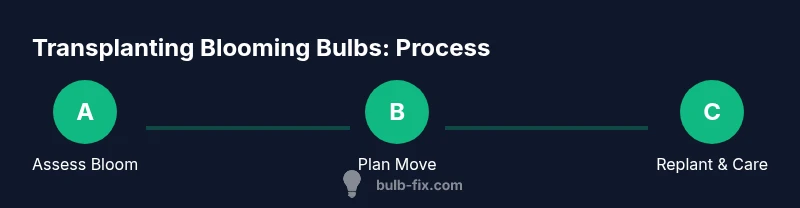
The following process is a concise, practical approach to minimize damage and support recovery after transplanting blooming bulbs. Begin by carefully loosening the soil around the bulb, lift with minimal root disturbance, place into the new hole at the same depth, and firm soil gently. Water well to settle the soil and mulch to preserve moisture. Monitor for signs of stress and avoid fertilizer for a few weeks to prevent salt burn and excess growth.
Aftercare: protecting the transplanted bulbs
Post-transplant care is critical. Keep the soil evenly moist but not waterlogged, especially during warm spells. Remove any dead or yellowing foliage gently to reduce energy drain and allow the bulb to focus on establishing roots. Apply a light mulch layer to regulate temperature and moisture. If the plant resumes blooming, continue light watering and avoid heavy feeding until new growth is established.
Common mistakes to avoid and troubleshooting tips
Don’t transplant during the peak of flowering, as this causes unnecessary stress. Avoid dragging the soil, which can wound roots; use a bulb digger or hand trowel to minimize disturbance. If you notice wilting, pale leaves, or new growth that is slow or weak, reassess moisture, shade, and soil drainage. Provide temporary shade on hot days and protect from pests while the bulb recovers.
Tools & Materials
- Sharp garden shears(for clean cuts on stems and roots)
- Bulb digger or hand trowel(to carefully loosen soil around bulbs)
- Gloves(protect hands from soil and sharp edges)
- Loosened, well-draining soil(prepped soil mix or amended garden soil)
- Mulch or compost(helps retain moisture after transplant)
- Labels/markers(to note depth and placement)
- Watering can or garden hose with soft spray(to settle soil and hydrate after transplant)
Steps
Estimated time: 60-90 minutes
- 1
Assess and plan before digging
Review bloom stage, plant health, and whether moving is truly necessary. If the bloom is not near its end and the plant looks vigorous, postpone the move. This minimizes shock and protects next year’s flowering potential.
Tip: If unsure, err on the side of waiting until dormancy to avoid risking bloom loss. - 2
Prepare the new planting site
Choose a location with the right light and soil drainage for the bulb type. Dig a hole wider than the bulb’s root zone and loosen the soil to aid root entry. Have compost or aged mulch ready to blend into the hole base.
Tip: Ensure the hole depth matches the bulb’s original depth to maintain proper growth height. - 3
Carefully lift the bulb and soil
Gently loosen around the bulb using minimal force. Lift with a steady, smooth motion to preserve roots and soil around the bulb. Place the bulb on a damp cloth or tray if you need a moment to reposition.
Tip: Keep the root system as intact as possible to reduce transplant shock. - 4
Replant at the correct depth
Place the bulb in the new hole with the top pointing up. Backfill with loosened soil, pressing lightly to eliminate air pockets. Do not pack the soil too tight; roots need air.
Tip: Refer to labeling to ensure you're planting at the right depth for that bulb type. - 5
Water and mulch after planting
Water deeply to settle soil and remove air pockets. Apply a light mulch layer to regulate moisture and temperature. Avoid heavy fertilizer for the first 4–6 weeks.
Tip: Water consistently but avoid overwatering, which can rot the bulb. - 6
Monitor and adjust care
Check soil moisture daily for the first week, then weekly. Watch for signs of stress such as wilting or pale leaves and adjust shade or watering accordingly.
Tip: Keep an eye on pests and diseases that can rebound in disturbed beds.
Got Questions?
Can you transplant bulbs while they are blooming?
Yes, it’s possible in some cases, but it carries risk. Move only if necessary and aim for minimal disturbance. Post-transplant care is crucial for recovery.
Yes, it’s possible in some cases, but it carries risk. Move only if necessary and aim for minimal disturbance. Post-transplant care is crucial.
What bulbs tolerate transplanting during bloom?
Most bulbs do best during dormancy; some hardy varieties may survive brief disturbance. Species and climate determine success, so approach with caution.
Most bulbs do best during dormancy; some hardy varieties may survive brief disturbance.
How deep should bulbs be replanted?
Replant to the same depth they were originally planted, then firm the soil lightly. Correct depth helps flowering and root establishment.
Replant to the same depth they were originally planted, then firm the soil lightly.
What signs show transplant failure?
Wilted leaves after transplant, lack of new growth, and bulbs that feel soft or discolored indicate stress or rot.
Wilted leaves after transplant and lack of new growth indicate stress.
Do I need extra watering after transplant?
Water deeply to settle the soil, then keep moisture even but not waterlogged while roots re-establish.
Water deeply to settle the soil, then keep moisture even but not waterlogged.
Can I transplant bulbs in pots?
Yes, but ensure good drainage and avoid root damage. Container transplanting requires careful lifting and replanting at the correct depth.
Yes, but ensure good drainage and avoid root damage.
Watch Video
Key Points
- Transplant blooming bulbs with caution and minimal disturbance.
- Replant at the original depth and provide steady aftercare.
- Wait for dormancy if bloom quality is essential for next season.
- Monitor moisture and avoid heavy fertilization during recovery.