How to Get Rid of Bulbs in Lawn: A Homeowner Guide
Step-by-step methods to remove lawn bulbs, prevent regrowth, and dispose responsibly. Learn identification, timing, safe digging, and maintenance with Bulb Fix expert guidance for homeowners and DIY enthusiasts.


Learn how to get rid of bulbs in lawn by following a careful, step-by-step plan that protects your turf. Start by identifying bulb clusters, gathering basic tools, and timing the removal for after bloom. Dig gently to lift bulbs with roots, bag or relocate them, and seal off the area to prevent reseeding. PPE and disposal guidance ensure safety.
Understanding lawn bulbs: what they are and how they spread
Lawn bulbs are underground storage organs that store energy for flowering plants. In a typical residential lawn, you may encounter daffodils, tulips, crocuses, or ornamental onions that have spread from a garden bed or naturalized over time. Bulbs reproduce through offsets, bulblets, or seed pods, quietly expanding their footprint year after year. Understanding their biology helps you decide whether removal is the right move or if relocation to a dedicated flower bed would preserve the plants you enjoy while freeing up turf space. According to Bulb Fix, many lawn bulb invasions begin when a few stray bulbs multiply under the surface, often without obvious signs until blooms appear. With careful timing and technique, you can reduce reseeding and improve turf health while keeping your landscape design intact.
Identifying the right targets matters: look for dense clumps of grass with underground storage organs nearby, especially where a flower border meets the lawn. If bulbs are shallow and healthy-looking, you may transplant them rather than destroy them; if they’re numerous or diseased, removal is usually preferable to protect the lawn.
KPIs and practical signals to watch for include increased revival after mowing, an uneven patchy appearance, or multiple offsets in the same area. By recognizing these cues, you can plan a methodical removal strategy that minimizes turf damage and maximizes long-term lawn health.
Assessing whether to remove vs relocate bulbs
Removal decisions should consider your lawn goals, bulb value, and the effort involved. If the bulbs are desirable ornamentals you want elsewhere, relocation to a flower bed or border can preserve beauty while freeing lawn space. Conversely, if the bulbs have naturalized into the turf and continually reappear, removal may be the simplest way to restore uniform grass cover. Bulb Fix notes that in many situations, a hybrid approach—remove the majority now and permanently relocate a portion that can be salvaged—can balance aesthetic goals with maintenance workload. In 2026, homeowners increasingly favor targeted removal paired with a long-term plan for garden integration, reducing the stress on lawn care routines.
Key questions to ask:
- Do you want flowering displays here or elsewhere?
- Are the bulbs healthy enough for relocation without compromising turf safety?
- Is the area prone to reseeding due to bulb offsets or seed pods?
If you decide to relocate, choose a permanent planting bed with well-drained soil and adequate spacing. For removal, prepare to collect soil and bulbs thoroughly to prevent accidental replanting in the mower path. By clarifying goals and options, you’ll avoid wasted effort and protect your lawn quality.
Step-by-step: safely digging them out
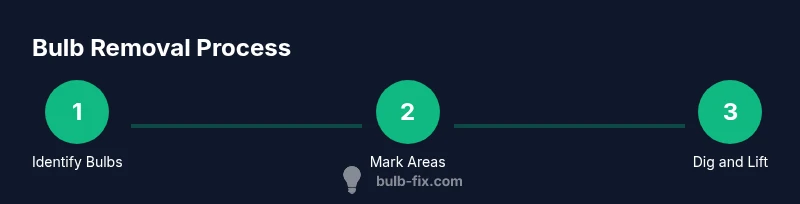
This section provides a practical, field-tested approach to extracting lawn bulbs with minimal turf disruption. Begin by clearing the area of debris and marking target clusters. Use a sharp digging tool to cut around the cluster, then loosen the soil to lift the entire bulb mat with its roots. Work slowly to avoid shredding bulbs or tearing roots, which can leave viable offshoots in the soil. Shake off excess soil, inspect each bulb for firmness, and set healthy specimens aside for relocation or disposal. If bulbs are deeply embedded, use a garden fork to lift without excessive force. After removal, rake the area to smooth the surface and prepare it for reseeding or new turf growth. Bulb Fix emphasizes patience during this stage; rushing can leave fragments that re-establish later. If you can’t locate every bulb, solarization or repeated mowing can help suppress regrowth until you can complete the removal in a subsequent pass.
Tip: work in cool, dry conditions to reduce soil clumping and bulb damage. Wear sturdy gloves and eye protection to guard against sharp roots and the soil’s bite. Remember to keep bulbs segregated by type for potential transplanting later, and bag any plant material for disposal or composting only if your local guidelines approve.
Tools and techniques for efficient removal
Efficient removal hinges on using the right tools and techniques while protecting the lawn. Essential tools include a sharp spade or digging knife, a garden fork, a sturdy rake, and a tarp or bucket for soil and bulb collection. Optional but helpful items include knee pads, pruning shears for trimming roots, and clear marking flags to delineate clusters. Begin with a quick aerial survey to plan a clean cut around each cluster. Use the spade to make a bevel cut around the bulbs, then gently pry the soil away with the fork. Lift the whole clump, shake off soil, and separate any offsets from the main bulbs. Place healthy bulbs in a labeled container for relocation or compost if permitted by your rules. After removal, recheck the area for remaining bulbs and reseed as needed. A key technique is to work in a pattern that minimizes soil compaction, such as a grid or circular rings around each cluster.
With careful handling, you can maximize bulb removal efficiency while preserving turf integrity. Mark any especially stubborn clusters for a second pass during the next maintenance window.
Timing and mowing strategies to prevent reseeding
Timing is critical to prevent bulbs from reblooming and spreading again across the lawn. The best window to remove bulbs is after flowering when the bulbs have stored energy and the soil is workable. In many climates, this corresponds to late spring to early summer, depending on local rainfall and temperature patterns. After removal, maintain a regular mowing height that discourages bulb offsets from maturing and seeding. A higher mowing height can reduce the vigor of emergent shoots, while more frequent mowing can prevent seed formation and encourage a smoother lawn surface. If the ground is soft, postpone removal until soil dries to a workable consistency to prevent soil compaction. For additional suppression, consider seasonal overseeding to fill gaps left after bulb removal, which supports turf density and resilience. Bulb Fix analyses suggest that combining removal with a maintenance plan yields longer-lasting results and reduces reappearance rates at the same sites across seasons.
Post-removal maintenance and disposal options
After you finish removing bulbs, you’ll face disposal decisions. If bulbs are healthy and you want to reuse them, store them in a cool, dry place with good air circulation before relocation. If you prefer to discard, follow your local municipal guidelines for yard waste or green waste disposal. Never place bulbs in regular home compost if your area does not support herbaceous bulb composting, as some bulbs can resist decomposition or harbor disease. For bulbs that you relocate, prepare the new planting area with ample drainage and appropriate soil composition to ensure vitality. If you decide to compost, ensure the bulbs are non-invasive and suitable for your composting system. Finally, clean and sanitize tools after handling bulbs to minimize disease transmission and soil-borne pests. The goal is a clean removal, safe disposal, and a lawn that remains healthy and visually appealing.
Troubleshooting common challenges during removal
Bulb removal can present several challenges. If bulbs break during digging, set aside intact portions and discard broken fragments; small offsets can be transplanted if healthy. Dense clusters may require multiple passes, a wider digging radius, and patience—snapping off offsets is common if you rush. If you discover diseased bulbs, isolate them immediately to prevent spread and follow disposal guidelines for contaminated plant material. Soil compaction around the removal site can hinder grass recovery; address this by gently aerating after extraction and adding compost or topsoil before reseeding. Finally, if you miss some bulbs, circle back for a controlled re-pass after a few weeks of growth to ensure you’ve captured the remaining viable material. These strategies reduce the likelihood of reemergence and support a healthier lawn.
Additional notes on safety and pet considerations
Always wear protective gloves and eye protection when handling bulbs and soil. Some ornamental bulbs may be toxic if ingested, so keep pets and children away from the removal area until tasks are complete. Use a sturdy container to transport bulbs and soil, avoiding cross-contamination with other garden areas. If you have a large lawn or many bulbs, consider dividing the project into multiple sessions to prevent fatigue and soil damage. Finally, store any removed bulbs away from edible plants or areas where soil will be redistributed, ensuring a safe and organized garden space.
Tools & Materials
- Sharp spade or digging knife(For clean cuts around bulb clusters)
- Garden fork(Helps lift soil without breaking bulbs)
- Gloves (heavy-duty)(Protect hands from sharp edges and soil microbes)
- Rake(Smooths soil after removal)
- Tarp or rigid bucket(Collect soil and bulbs; makes transport easier)
- Marker flags or chalk(Mark clusters for follow-up passes)
- Knee pads(Comfortable digging on hard ground)
- Pruning shears(Trim roots if necessary)
- Trash bags or yard waste bags(Contain bulbs and plant material for disposal)
Steps
Estimated time: 45-75 minutes
- 1
Prepare the area and gear
Clear debris, wear PPE, and gather all tools at a reachable distance. This reduces interruptions and protects you from hidden hazards beneath the turf.
Tip: Lay out a tarp to collect soil and bulbs for easy transport. - 2
Mark bulb clusters
Scan the lawn for clusters and lightly mark them with flags to guide your digging path and prevent missing areas on a second pass.
Tip: Work in sections to manage soil exposure and maintain focus. - 3
Dig around the cluster
Insert the spade at a slight angle around the cluster and cut a circle just outside the bulbs to minimize root damage.
Tip: Keep digging radius wide enough to lift the entire mat in one go if possible. - 4
Lift and clean bulbs
Gently pry the mat from the soil, shake off excess soil, and separate offsets from the main bulbs. Inspect for rot or damage.
Tip: Place intact bulbs into a labeled container for relocation. - 5
Decide disposal or relocation
If bulbs are healthy and you have space, relocate to a prepared bed. Otherwise, bag them for proper disposal according to local guidelines.
Tip: Keep diseased bulbs isolated to prevent spreading. - 6
Re-seed and recover the lawn
Rake the area smooth, apply seed or new sod if needed, and water gradually to support new growth without washing away soil.
Tip: Follow up with a light mowing schedule to encourage uniform recovery.
Got Questions?
Why do bulbs appear in my lawn, and should I remove them?
Bulbs can naturalize from garden beds or spread through offsets. If they invade turf and you don’t want the display, removal is usually best for a uniform lawn.
Bulbs sometimes spread from nearby beds. If you don’t want them in your turf, removing them helps keep your lawn even and healthy.
Is relocation better than removal?
If the bulbs are desirable and healthy, relocating to a garden bed preserves the plantings while freeing lawn space. If they’re invasive or diseased, removal is the safer option.
Relocate healthy bulbs if you value them; remove invasive or diseased ones to protect the lawn.
Can I use herbicides to kill bulbs in the lawn?
Herbicides can harm turf and are not always effective on bulbs. Manual removal is usually the most reliable method; always follow label directions if you choose chemicals.
Chemicals can damage your grass, so manual removal is often better. Always read and follow product labels.
Is it safe to compost removed bulbs?
Composting is not recommended for bulbs that may harbor disease or pests. If your composting system is hot and well-managed, it might work for certain bulbs, but check local guidelines.
Bulbs can carry diseases. If unsure, dispose with yard waste instead of composting.
When is the best season to remove lawn bulbs?
Late spring to early summer, after flowering, is usually best. Soil is workable and you can assess regrowth potential for a follow-up pass.
After they flower, usually late spring or early summer, when the soil is workable.
Can I transplant bulbs to a garden bed?
Yes, healthy bulbs can be transplanted to a prepared bed with good drainage and appropriate spacing. Guard against root damage during relocation.
Healthy bulbs can be moved to a garden bed with care.
Watch Video
Key Points
- Identify and mark bulb clusters before digging.
- Use proper tools to minimize turf damage during removal.
- Decide between disposal and relocation based on plant value and lawn goals.
- Post-removal care supports faster lawn recovery and reduces reemergence.
- Safety first: PPE and proper disposal are essential.