Is it ok to plant bulbs in wet soil? Practical guidance for gardeners
Learn whether you can plant bulbs in soggy soil, how to improve drainage, and practical alternatives for healthy bulb blooms in 2026.


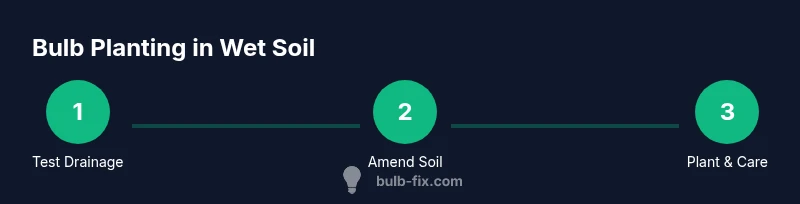
Is it ok to plant bulbs in wet soil? Generally no. Most bulbs need well-drained soil to prevent rot and fungal infections. If your garden consistently stays soggy, wait to plant or choose raised beds, containers, or drainage improvements before sowing. With careful site assessment, you can still get healthy bulb blooms by prioritizing drainage.
Understanding why wet soil is risky for bulbs
Bulbs, including tulips, daffodils, and crocuses, rely on a balance of moisture and air in their growing medium. When soil is continuously wet, air spaces fill with water, reducing oxygen for developing roots and triggering rot and bulb decay. According to Bulb Fix, the best defense is ensuring drainage before planting and avoiding areas that stay soggy after rain. If you must plant now, use raised beds or containers with perforated bottoms to encourage drainage and keep the bulb collar above wet soil. During wet springs, harvest mulch and organic matter away from the planting zone to avoid creating waterlogged pockets. With proper drainage, you create a more forgiving root zone that supports strong shoots and reliable bloom in spring.
Assessing drainage in your garden
Good drainage is the foundation for successful bulb planting. Start by evaluating the planting site after a rainfall: does the soil drain quickly, or does a puddle linger? A simple test: dig a trench and fill it with water; observe how long it takes to disappear. If water remains pooled for a long time, you likely have poor drainage. Consider soil texture: clay-heavy soils retain more water than sandy loams. Bulb Fix guidance emphasizes that even moderate drainage issues can be remedied with practical steps. Options include amending the soil with organic matter and coarse sand to improve pore space, installing a French drain, or choosing raised beds. While each method has cost and effort, the goal is to create a light, airy rooting zone that keeps bulbs from sitting in water during their active growth period.
Soil texture and drainage: what to know
Soil texture directly influences moisture retention. Clay soils tend to hold more water and compact easily, while sandy soils drain quickly but may dry out too fast for some bulb varieties. A loamy mix is often ideal, offering a balance of moisture retention and aeration. Organic matter improves structure, helping soils drain better while still holding essential nutrients. For bulb growth, aim for a soil that feels like a wrung-out sponge: it should drain freely after rain but still support root development. If your soil is stubbornly heavy, consider adding coarse sand and compost in a layered approach to avoid creating a dense, perched water table near the bulb zone.
How to salvage a soggy bed: practical techniques
If you’ve already prepared a bed that stays wet, focus on drainage-first changes. Remove compacted surface crust to improve infiltration, and rake in organic matter to boost porosity. Consider building a shallow raised strip or berms that bring bulbs above the worst of the moisture. Installing a simple drainage line or French drain can dramatically reduce surface wetness over time. In the short term, place bulbs in a shallow trench and cover with a sand-rich mix to help them establish roots quickly. Avoid heavy mulching directly over the crown and keep the immediate planting zone free from standing water.
Raised beds and containers: when and how
Raised beds and containers are practical options when the native soil drains poorly. A raised bed created with well-draining soil provides an instant improvement in root oxygen and moisture control. For containers, choose pots with drainage holes and use a mix designed for good aeration (e.g., a blend of compost, perlite, and coarse sand). Ensure bulbs are planted with their tops just above the soil surface or slightly covered, depending on species. In wetter climates, container planting can be rotated annually to align with seasonal moisture patterns and avoid long-term waterlogging.
Planting timing and species for damp climates
In damp climates, timing matters. Plant bulbs in late summer to early fall to give roots time to establish before peak wet periods, then rely on drainage improvements to protect the crown during winter. While most common bulbs prefer well-drained soil, some hardy varieties may tolerate brief periods of excess moisture better than others; however, even these require adequate drainage to thrive. Select species with relatively shallow root systems for damp sites and avoid deep, heavy rooters that struggle in waterlogged soils. Always adjust depth to soil texture and climate conditions to maximize bloom success.
Seasonal plan and maintenance to prevent future sogginess
Develop a seasonal drainage plan that aligns with local rainfall patterns. In spring, remove excess mulch that can create rain gardeners’ blockages and add organic matter to aid infiltration. After heavy rains, inspect beds for compacted crust and re-aerate the surface. A mulching strategy using light materials like shredded bark can help regulate moisture without suffocating bulbs, while thick layers should be avoided over bulb crowns. Regularly monitor soil moisture with a simple finger test and adjust watering accordingly. Bulb Fix guidance suggests treating drainage as the foundation of a successful bulb season.
Common mistakes to avoid and safety tips
Common mistakes include planting in waterlogged soil, overmulching directly over bulbs, and ignoring drainage symptoms. Always allow the site to dry before planting, and avoid trenching into saturated layers. Wear gloves to protect from soil-borne bacteria, and use sturdy footwear on soft, muddy ground. If you’re unsure about drainage, test several spots and compare results to identify the best micro-site within a bed. With careful planning and attention to moisture, you can still achieve vibrant bulb blooms.
Tools & Materials
- Garden trowel(Small, precise digging for bulb trenches)
- Garden fork or rake(Loosen soil and improve aeration)
- Coarse sand or perlite(Improve drainage in heavy soils)
- Organic matter (compost or well-rotted manure)(Enhances soil structure and porosity)
- Mulch (pine needles or wood chips)(Regulates moisture and temperature; avoid piling directly over crowns)
- Raised-bed boards or edging(Optional for quick drainage improvement)
- Containers with drainage holes(Alternative to garden beds in soggy areas)
- Watering can with a fine spray(Gentle irrigation to avoid soil compaction)
Steps
Estimated time: 1-2 hours
- 1
Assess site and test drainage
After rain, inspect the area and perform a simple drainage test. Dig a shallow trench and fill it with water, watching how long it takes to drain. If water lingers, plan drainage improvements before planting.
Tip: Document the results with a quick sketch to guide where to place bulbs. - 2
Improve drainage before planting
Incorporate organic matter and coarse sand into the top 6-12 inches of soil to increase pore space. If feasible, install a minimal French drain or create a raised bed to move the bulb zone above the water table.
Tip: Work in dry weather; avoid tilling when soil is muddy to prevent compaction. - 3
Choose the right planting method if soil remains wet
If drainage cannot be improved quickly, switch to raised beds or containers with drainage holes. Use a light, well-draining soil mix and ensure the bulb crowns sit barely above the surface.
Tip: Position containers to avoid cold pockets and ensure airflow around roots. - 4
Plan depth and spacing for bulbs
Plant at a depth roughly 2-3 times the bulb height, with adequate spacing to reduce competition for limited moisture and air. Shallow planting can expose bulbs to temperature swings and inconsistent moisture.
Tip: Mark rows with stakes to keep spacing consistent. - 5
Plant and cover with appropriate soil mix
Place bulbs with the pointed end up, cover with a breathable mix that drains well, and keep the crown just above ground level. Layer with a light mulch to minimize surface crusting while preserving moisture balance.
Tip: Avoid packing soil around the bulbs; gentle firming is enough. - 6
Water lightly after planting and monitor
Water sparingly to settle the soil without creating puddles. Check moisture weekly and adjust irrigation based on rainfall and soil texture.
Tip: A moisture meter can help, but feel the soil with your fingers for a practical check.
Got Questions?
Can I plant bulbs in soil that stays wet after rain?
Not usually. Prolonged wet soil increases bulb rot risk. Look for drainage improvements or wait for drier conditions before planting.
Not usually. Wet soil makes rot more likely, so fix drainage or wait until it dries.
What drainage improvements work best for bulb beds?
Add organic matter to improve soil structure, use coarse sand in heavy soils, and consider raised beds or French drains to move water away from the bulb zone.
Add organic matter and consider raised beds or a drainage system to move water away.
Are there bulbs that tolerate wet ground?
Most bulbs prefer well-drained soil. Some species may handle brief damp spells, but sustained wetness is a problem for bloom health and bulb longevity.
Most bulbs like good drainage; some tolerate damp briefly, but sustained wetness is risky.
When is the best time to plant bulbs in damp climates?
Plant in late summer to early fall to give roots time to establish. Improve drainage beforehand to protect bulbs through winter rains.
Plant in fall to let roots establish, and fix drainage to handle winter rains.
What are signs of bulb rot in wet soil?
Soft or black, mushy bulbs with a foul odor indicate rot. If detected early, remove affected bulbs to protect neighbors and adjust soil drainage.
Rot looks like soft black bulbs with a bad smell. Remove them and fix drainage.
Watch Video
Key Points
- Prioritize drainage before planting bulbs.
- Raised beds and containers are effective in wet soils.
- Amend soil with organic matter and coarse sand for better aeration.
- Plant at appropriate depth with adequate spacing to prevent rot.
- Monitor soil moisture and adjust watering to seasonal conditions.