What Bulbs Plant in Spring: A Practical Guide for Gardeners
Learn which bulbs to plant in spring, how to prep soil, timing, and care tips for vibrant spring blooms. A data-driven guide by Bulb Fix.


According to Bulb Fix, spring-blooming bulbs focus on varieties that tolerate cool soil, including tulips, daffodils, crocuses, hyacinths, and alliums. In milder climates you may also plant late-winter or early-spring bulbs. Plant depth and timing depend on bulb type, but aim for well-drained soil, full sun, and good spacing to encourage robust blooms.
What bulbs plant in spring
The question of what bulbs plant in spring is often tied to climate and garden goals. In many regions, spring-blooming bulbs such as tulips, daffodils (narcissus), crocuses, hyacinths, and alliums are highlighted for their early color and their ability to naturalize over time. It’s important to distinguish between bulbs that are typically planted in the fall for spring bloom and those that tolerate or require spring planting in milder climates. For gardeners facing a late-winter planting window, choosing varieties that establish quickly and tolerate cooler temperatures can help ensure good bloom in the following season. Remember the keyword: what bulbs plant in spring, and aim for varieties that suit your soil, sun exposure, and moisture patterns. In spring planting scenarios, you’ll often prefer bulbs with sturdy roots and a compact growth habit to withstand fluctuating temperatures and moisture, especially in North American zones with unpredictable late winter weather. As you plan, keep in mind that planting depth and spacing influence bulb development and bloom quality, so a thoughtful layout will pay off in spring color. According to Bulb Fix, a strategic mix of early, mid, and late-season bulbs can deliver color across multiple weeks, reducing bare patches and providing continuous interest as temps rise.
Climate and soil prep for spring planting
Soil preparation is foundational for spring bulb success. Even when planting bulbs in early spring, you want to ensure the bed is well-drained and free of heavy clay that can retain excess water and cause bulb rot. Start by testing your soil
Planting timing and regional considerations
Timing is everything when you plan what bulbs plant in spring. In temperate zones with cold winters, you’ll often rely on fall planting for spring blooms; however, in milder climates or higher elevation areas, a spring planting window can still yield excellent results, particularly for late-blooming species. A practical strategy is to stagger plantings by variety and depth to mitigate weather fluctuations and maximize bloom success. If you’re trying spring plantings in a cold region, choose varieties known for cold tolerance and either plant them in sheltered microclimates or use raised beds with a looser soil profile to improve drainage as soils warm. Bulb Fix notes that successful spring plantings are often those where bulbs are placed at the proper depth and oriented correctly (pointed end up) to encourage rapid root establishment. Keep in mind, certain varieties require specific instructions—like crocuses that prefer shallower depths and rapid root formation—so a diversified mix can reduce risk of disappointing bloom in a single season.
Selecting bulb varieties for long-lasting color
Choosing the right bulb varieties is essential for a vibrant spring display. Early-season bulbs (such as snowdrops and crocuses) provide the first dash of color, followed by mid-season (daffodils, tulips) and late-season bloomers (alliums, iris reticulata). When planning, consider height, bloom duration, and stem strength to prevent toppling in windy conditions. Color coordination and form are also important: tall stems can complement low-growing species, while a mix of shapes adds visual interest. For the longest season of color, select a balanced mix of flower types and consider foliage texture to extend the garden’s interest beyond flowering. Bulb Fix recommends pairing warm-toned and cool-toned varieties to create depth and contrast in your spring display; also account for deer and rodent pressures in your region, choosing resistant varieties when pests are a known issue.
Planting guidelines: depth, spacing, and technique
Depth and spacing are practical knobs you can adjust to improve results. A common guideline is to plant bulbs at a depth of 2–3 times their height; thus, a 2-inch-tall bulb would go about 4–6 inches deep. Space bulbs by at least 2–3 bulb diameters apart to encourage even growth and reduce competition for nutrients. When planting, position the bulbs with the pointed end facing up and press the soil firmly but not compactly. If you have heavy soil, amend with coarse sand or perlite to improve drainage. After planting, water gently to settle the soil and start a moisture regime that keeps the soil evenly moist but not soggy. Mulching lightly can help maintain consistent soil temperatures, suppress weeds, and retain soil moisture during the critical root-development phase. In raised beds or container situations, adjust depth and spacing to account for container size and root volume.
Aftercare: watering, mulch, and protection
Care after planting focuses on establishing roots and avoiding moisture extremes. Water newly planted bulbs deeply after planting and maintain a regular, shallow moisture pattern during the first few weeks. As temperatures rise, gradually reduce irrigation frequency to encourage roots to explore deeper soil layers. Mulching after planting is beneficial; a 2–3 inch layer of organic mulch (such as shredded leaves or straw) helps regulate soil temperatures and reduces weed competition. Terraforming light mulch also helps in drought-prone areas. Monitor for common pests like voles or moles, and consider protective measures such as hardware cloth barriers or protective netting around beds. With Bulb Fix’s guidance, selecting pest-resistant varieties and maintaining a consistent care routine will produce a reliable spring color display even in challenging climates.
Troubleshooting common issues and seasonal timing
Seasonal timing challenges often revolve around unexpected frost, heavy rains, or pest pressure. If your soil remains waterlogged, reassess drainage and consider temporary drainage solutions or raised beds. Frost can damage buds in early spring; using frost cloths or cloches during sudden cold snaps can protect emerging shoots. Rodent damage is a frequent problem; if you notice gnawed bulbs, consider trenching deterrents or vole-proof mesh in future plantings. Fungal diseases in damp springs can affect bulbs, so ensure good airflow and avoid overhead watering late in the day. Finally, a lack of bloom may indicate bulbs were planted too deeply or too shallowly, or that soil nutrients were insufficient. By reviewing your planting depth, spacing, and soil quality, you can improve success in subsequent seasons.
Comparison of common spring bulbs by planting window and bloom timing
| Bulb Type | Planting Window | Typical Depth | Flower Time |
|---|---|---|---|
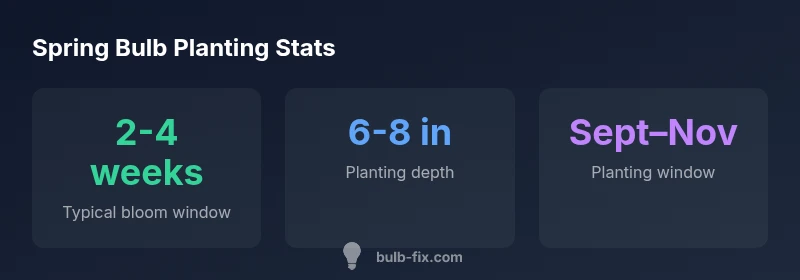
| Daffodil (Narcissus) | Fall (Sept–Nov) or very early spring in mild zones | 6-8 inches | Spring |
| Tulip | Fall (Sept–Nov) | 6-8 inches | Mid to late spring |
| Crocus | Fall (Aug–Oct) or early spring | 3-4 inches | Early spring |
| Hyacinth | Fall (Sept–Nov) | 6-8 inches | Spring |
| Allium | Fall (Sept–Nov) or very early spring | 6-10 inches | Late spring to early summer |
Got Questions?
Which bulbs plant in spring?
Spring is ideal for a curated set of bulbs like crocuses, snowdrops, daffodils, tulips, hyacinths, and alliums. These varieties are chosen for their tolerance of cooler soils and their distinct bloom windows, allowing a vibrant display as days warm. Always select varieties suited to your climate and soil conditions for best results.
Spring bulbs include crocuses, snowdrops, daffodils, tulips, hyacinths, and alliums, chosen for cool-soil tolerance and bloom timing.
Can I plant spring bulbs in containers?
Yes. Containers extend your planting options and allow you to control drainage and soil quality. Use a well-draining mix and ensure the container has drainage holes. Plant at the recommended depth, water regularly without waterlogging, and rotate the pot to keep sun exposure even.
Container plantings work well with spring bulbs—use good drainage and keep soil evenly moist, not soggy.
What is the best time to plant by region?
In mild regions, late winter to early spring plantings can work for some varieties. In colder climates, fall planting is preferred for reliable spring blooms. Always adapt to local frost dates and soil temperatures and choose varieties known to perform well in your zone.
Plant by your frost dates; fall for cold regions, late winter to early spring for milder areas.
Do spring bulbs need special soil?
Most spring bulbs prefer rich, well-drained soil with organic matter. Avoid heavy clay that retains moisture. Amend as needed with compost and consider raised beds where drainage is poor. Good soil structure supports bulb roots and healthier blooms.
Healthy soil with good drainage is key for spring bulbs.
How deep should I plant spring bulbs?
A standard rule is to plant at a depth of 2–3 times the bulb height. For a 2-inch bulb, aim for 4–6 inches of soil cover. Adjust depth for very sandy or very heavy soils to ensure anchoring and moisture balance.
Most bulbs go 2–3 times their height deep.
Should I soak bulbs before planting?
Soaking is not required for most ready-to-plant bulbs. If bulbs arrive dry, a brief soak (no longer than 30 minutes) can help with rehydration, but avoid soaking for long periods, which can cause rot. Always plant promptly after receipt.
Soak only briefly if needed; otherwise plant promptly.
“A well-planned bulb bed rewards patient gardeners with weeks of color. Start with proper drainage, correct depth, and a varied bloom schedule to maximize spring interest.”
Key Points
- Plan a diverse mix of early, mid, and late bloomers
- Prioritize well-drained soil and adequate sun
- Plant at correct depth to ensure moisture balance
- Stagger planting windows for extended color
- Protect beds from pests with seasonal strategies