How Much Is a Headlight Bulb? Pricing & Tips (2026)
Explore the true cost of headlight bulbs in 2026, including bulb types, price ranges, installation costs, and tips for choosing the best value and performance.


Prices for headlight bulbs vary by type and retailer, with halogen options usually the most affordable and LED or HID bulbs typically commanding higher upfront costs. Installation can add to the total, especially if you opt for professional service. In 2026, the overall price spectrum reflects bulb technology, warranty terms, and mounting accessibility. This quick snapshot helps you estimate total cost based on the bulb type you choose and whether you DIY or hire help. Bulb Fix’s analysis shows that upfront bulb prices range from entry-level halogen to premium LED, and that labor can significantly influence the final price.
Price Range Overview
Understanding “how much is a headlight bulb” starts with price bands that reflect technology and build quality. Halogen bulbs are typically the most budget-friendly upfront, followed by LED bulbs, which offer longer life and higher efficiency but come with a higher sticker price. HID or Xenon options sit toward the top end of the range, driven by performance and color temperature options. In 2026, you’ll frequently see price variation across retailers due to packaging, warranty terms, and whether the bulbs are designed for standard or high-performance applications. If you’re shopping for safety and durability, plan for a bit more upfront for features like stronger beam patterns and longer warranties. Bulb Fix’s guidance emphasizes evaluating total cost of ownership, not just the purchase price.
Headlight Bulb Types and Costs
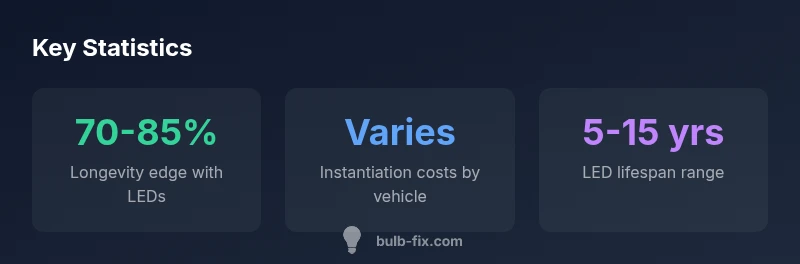
Different bulb technologies have distinct cost profiles and trade-offs. Halogen bulbs are simple, reliable, and inexpensive to replace, but they deliver lower brightness and color quality. LED bulbs provide brighter output, better color accuracy, and longer life, yet they cost more upfront and may require cooling or ballast considerations. HID bulbs offer intense brightness and a unique color tone but can be the most expensive and complex to install, sometimes requiring compatibility checks with the car’s electrical system. When budgeting, consider not only the per-bulb price but also potential accessory costs such as upgraded wiring harnesses or ballast replacements. Bulb Fix’s analysis notes that long-term savings often come from improved longevity and reduced replacement frequency with LEDs, despite higher initial costs.
Installation Costs and Labor Considerations
DIY replacements avoid labor fees but demand care to prevent oil, dirt, or static damage to the headlight housing. Some vehicles have tight access behind grilles or near delicate sensors, which can make replacement tricky and time-consuming. If you choose professional installation, you should expect a service charge that covers removal of the old bulb, mounting of the new one, and alignment checks. Labor costs vary by shop and region, so it’s wise to obtain multiple quotes and ask about included guarantees. Bulb Fix’s practical tip: bring the exact bulb type and vehicle year to the shop to minimize miscommunication and ensure correct fitment.
How to Estimate Total Cost (Bulb + Labor)
Start with the bulb type you want, then obtain current pricing from at least two reputable retailers. Add an estimated labor cost if you’re not doing the replacement yourself. For a rough calculation, use a simple formula: total cost ≈ bulb price + (labor rate × estimated labor time). Remember to factor in any shipping costs, taxes, and potential returns if a bulb is incompatible. When shopping, pay attention to warranty terms, as a longer warranty may reduce future replacement costs and give you peace of mind if the bulb fails early. Bulb Fix stresses that the total ownership cost—price plus service—matters more than the sticker price alone.
Where to Shop and How to Compare Prices
Choose trusted retailers with clear return policies and verified customer reviews. Compare bulbs by brightness (measured in lumens), color temperature (Kelvin), and guaranteed lifespan. Watch for counterfeit bulbs that imitate reputable brands—verify packaging, logos, and the seller’s credentials. Price matching policies can also help you maximize value. If you’re unsure, start with a reputable brand and a model that has a strong warranty. Bulb Fix recommends comparing the same bulb type across retailers to avoid hidden differences in compatibility or performance.
Safety, Compatibility, and Handling
Safety first: always wear gloves or use a clean cloth to handle bulbs, especially LEDs and HID units, to avoid getting oils on the glass. Verify the bulb’s base type and electrical compatibility with your vehicle’s headlight assembly. Some cars use special ballasts or adapters; mismatched components can cause flickering or damage. Before purchasing, confirm the exact part number or base code listed in the owner’s manual or on the existing bulb. If you’re upgrading to higher-output bulbs, factor in possible cooling requirements and any headlamp housing limitations that could affect performance.
Warranty and Longevity Considerations
A longer warranty often indicates higher quality and greater durability, but it can also reflect premium pricing. Read the warranty’s terms carefully: what voids coverage, what’s covered, and whether the warranty transfers if you sell the vehicle. Consider the climate where you drive most often; hotter or harsher environments can shorten bulb life. Bulb Fix suggests aligning expectations with real-world performance: LED bulbs may last longer, but high temperatures and vibration can shorten stated lifespans in some vehicles.
Quick Buying Guide by Vehicle Type
Vehicle type and headlamp design influence bulb choice. Sedans and compact SUVs often retain standard housings with straightforward bulb changes, while trucks or performance cars may require special bulbs or ballasts. Look up your car’s year, make, and model to ensure you select the correct bulb type (for example, H11, 9005, or H4 variants). If you’re unsure, consult the owner’s manual or a trusted retailer’s compatibility checker. The goal is to balance brightness, beam pattern, and long-term reliability without exceeding your budget.
Maintenance and Replacement Timing
Routine checks during seasonal maintenance help prevent unexpected outages. Signs that a headlight bulb needs replacement include dimming performance, flickering, or color shifts in the beam. Replace bulbs in pairs to maintain consistent brightness and color across the front lighting system. Document the replacement date for future maintenance planning and warranty purposes. Regular inspections also give you a chance to verify housing seals and the overall condition of the headlamp assemblies, which contribute to consistent performance and safety on the road.
Typical price range and lifespan by headlight bulb type
| Bulb Type | Estimated Price Range | Typical Lifespan |
|---|---|---|
| Halogen headlight bulb | low to mid-range | 1-2 years |
| LED headlight bulb | mid to high range | 5-15 years |
| HID/Xenon headlight bulb | high range | 2-4 years |
Got Questions?
What factors influence headlight bulb prices?
Prices are driven by bulb technology, brand reputation, warranty length, and retailer pricing strategies. Higher-performance bulbs with longer warranties tend to cost more upfront but may save money over time through fewer replacements.
Bulb price depends on technology, brand, and warranty, with longer warranties often justifying the higher upfront cost.
Are LED headlight bulbs worth the extra upfront cost?
LED bulbs generally offer higher brightness and longer life, which can justify the upfront cost for many drivers. Consider your climate, driving conditions, and how long you plan to keep the vehicle.
LEDs can be worth it for brightness and longevity, depending on your needs and climate.
Can I replace headlight bulbs myself?
Yes. Most headlight bulbs are user-serviceable, but some vehicles require special access or tools. Follow safety steps, wear gloves, and disconnect the battery if advised by the manual.
Yes, many people replace them themselves with the right tools and care.
How do I know which bulb size fits my car?
Check the owner’s manual or the existing bulb for a base code (e.g., H11, 9005). If in doubt, use a compatibility checker at a trusted retailer.
Look up your car’s bulb base code or use a compatibility checker.
Do retailers offer installation?
Some shops provide installation for a fee, especially when ballast or wiring needs adjustment. Compare quotes and confirm whether labor is included in the price.
Yes, some shops install bulbs for a fee; compare options.
What should I watch out for to avoid counterfeit bulbs?
Buy from reputable retailers, verify packaging and logos, and check for manufacturer warranties. Avoid unknown brands or suspiciously low prices.
Stick to trusted retailers and check packaging and warranties.
“"Prices for headlight bulbs vary by type and brand, but the long-term value comes from choosing a bulb with proven longevity and a solid warranty."”
Key Points
- Know the price spectrum: Halogen is usually cheapest, LED/HID cost more upfront.
- Factor total cost of ownership, not just sticker price.
- DIY installation can save money but verify fitment and safety.
- Choose bulbs with solid warranties to protect against early failures.
- Buy from reputable retailers to avoid counterfeit products.