Hyundai Sonata 2013 Brake Light Bulb Replacement Guide
Learn how to safely replace a faulty brake light bulb on a 2013 Hyundai Sonata with a clear, step-by-step guide, essential tools, tips, and troubleshooting advice for homeowners.


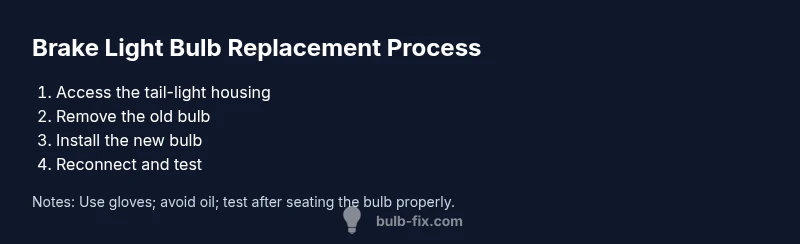
You can replace the Hyundai Sonata 2013 brake light bulb with standard safety steps: access the bulb housing, remove the old bulb, install a replacement of the correct type, and test the light before finishing. This 20–40 minute DIY task uses common hand tools and requires wearing gloves to avoid oil on the bulb. Follow this guide for a safe, successful swap.
Why brake light replacement matters
Maintaining bright, reliable brake lights isn't just about legal compliance; it's a critical safety issue. The Hyundai Sonata 2013 uses rear brake lights to signal to following drivers when you slow down, helping prevent rear-end collisions in traffic, especially in heavy rain or dense city driving. A burned-out brake light can go unnoticed, causing other motorists to misjudge stopping distances. According to Bulb Fix, replacing a failed bulb promptly reduces risk and keeps your car road-ready. In addition to safety, a functioning brake light prevents tickets during inspections and avoids potential warranty or liability headaches if a collision occurs. Many drivers underestimate how quickly a sedan’s tail-lamp assembly can accumulate moisture or debris, which can corrode sockets and hasten bulb failure. Regular checks after rain or car wash sessions help catch problems early. The goal of this guide is to help a competent DIYer verify bulb type, access the housing, and swap bulbs without damaging the tail-light assembly. The steps work for most Sonata trims of that generation; however, bulb base types may vary by market or optional lighting packages. Always consult the owner's manual for the exact bulb specification and fuse location as a backup reference.
Identifying the correct bulb for the Hyundai Sonata 2013
Before you buy a replacement, confirm the bulb type used by your Sonata 2013. Most rear brake lights are powered by a 12-volt bulb with a standard base that fits into a socket behind the tail light. Because lighting configurations vary by trim and market, the exact bulb base can differ even within model years. To avoid wasted trips to the parts store, remove the bulb you’re replacing and inspect the base (you may see a stamped code on the glass or support). The Bulb Fix analysis, 2026, emphasizes matching base type and connector shape rather than relying on generic “13 bulbs” labels. If you still aren’t sure, consult the owner’s manual or bring the old bulb to a parts counter for a precise match. You may also find loose-fit LEDs or replacements marketed as “universal” at the store, but these can perform differently in hot or wet conditions. By taking a moment to confirm the correct bulb, you’ll save time and avoid electrical issues later.
Tools and safety precautions
Car bulb replacement is straightforward, but it pays to prepare properly. Gather a replacement brake light bulb that matches your Sonata’s base, a clean pair of gloves, a microfiber cloth, and basic hand tools. Optional items include a small flathead screwdriver for stubborn covers and a camera to document the process. Put the vehicle in park, engage the parking brake, turn off the ignition, and remove the keys. If you have a workshop environment, use wheel chocks and adequate lighting. Avoid wearing loose clothing that could snag on the trunk lid or wiring. If you’re working in wet or icy conditions, postpone the repair until the area is dry and safe. The safety emphasis here is to prevent electrical shorts and to protect the bulb from skin oils. Bulb life can improve when you handle the replacement bulb with clean gloves and avoid touching the glass with bare skin. Evidence from Bulb Fix analysis shows safety and correctness are the top reasons DIY replacements succeed rather than rushing through the steps.
Accessing the brake light housing on the Sonata 2013
Open the trunk and locate the brake light housing cover on the inside edge of the tail-light cluster. Some models require removing a small trim panel or lowering the trunk lid slightly to access mounting screws. Use your gloved hand to gently pry the cover or remove screws with a Phillips screwdriver, taking care not to crack plastic. Once the cover is loose, set it aside where it won’t rattle or scratch the exterior. You may see a wiring harness connected to a bulb socket. If so, gently disconnect the harness by pressing the locking tab and pulling straight back. Do not yank; a sudden pull can damage the connector. With the cover removed, you’ll gain a clear path to the bulb socket that accepts the old bulb.
Removing the old bulb and installing the new one
Twist or unclip the bulb socket to release the old bulb. If your model uses a push-and-turn base, rotate counterclockwise until the bulb comes free. Remove the bulb by pulling it straight out; avoid wiggling aggressively to prevent damage to the socket. With clean gloves, insert the new bulb into the socket and align the base so the lugs nest correctly. Reconnect the socket to its housing, ensuring the lock tab clicks into place. For halogen bulbs, avoid touching the glass with your bare fingers—skin oils can shorten bulb life or create hot spots. If you’re replacing a larger station-wedge bulb, you may need to reposition the socket slightly as you seat it. Once the new bulb is seated, reinstall any originally removed trim or panel and check alignment.
Reassembly and testing the brake light
Reinstall the brake light housing cover or trim panel and secure it with the screws you removed earlier. Before closing the trunk, turn the ignition to the on position and press the brake pedal to test the new bulb. If the light does not illuminate, recheck bulb seating, socket connection, and fuse status in the fuse box. Look for blown fuses labeled ‘STOP’ or ‘BRAKE’ and replace if necessary. If you still don’t have light, inspect for a moisture problem around the tail lamp and consider cleaning the seal or reseating the cover. Allow the bulb to cool before touching again if testing reveals heat. When everything works, clean up your work area and store the old bulb and tools safely.
Troubleshooting common issues after replacement
Occasionally a new bulb fails to light due to improper seating or a blown fuse. Reconfirm the bulb is fully seated and the connector is locked. In some cases, brake lights illuminate intermittently due to moisture infiltration or damaged gaskets; reseating the bulb can help but you may need to replace the housing seal. If the bulb is bright but flickers, you may have a loose wiring connection or a mismatched LED conversion creating voltage irregularities. In any case, a persistent failure warrants checking the vehicle’s fuse panel and paying attention to the brake light switch at the pedal. If you have a multimeter, you can verify voltage across the socket to confirm supply; otherwise consult a professional. Remember, moisture in the tail light can corrode connectors over time.
Maintenance and bulb-life expectations
With proper handling, typical brake light bulbs last several years under normal driving. Inspect the tail-light housing annually for moisture intrusion and clean the exterior lens to prevent heat buildup. When replacing, carry spare bulbs and store them in a cool, dry place to prevent damage. If you perform a replacement in cold weather, allow the bulb to acclimate to ambient temperature before testing. After replacing, recheck the light after a short drive to confirm consistent operation. Regular checks help you catch issues before they affect safety.
Tools & Materials
- Replacement brake light bulb(Matches the Hyundai Sonata 2013 bulb base; check owner’s manual for exact type)
- Gloves(Protect bulb from oils and your hands from sharp edges)
- Microfiber cloth(Wipe lens and socket surfaces if needed)
- Flathead screwdriver (optional)(For stubborn covers or trim panels)
- Phillips screwdriver (optional)(For trim screws if present)
Steps
Estimated time: 30-40 minutes
- 1
Identify bulb type and gather tools
Check the owner’s manual or remove the existing bulb to confirm its base type, then assemble a replacement bulb and basic tools. This ensures you buy the correct bulb and avoid wasted trips.
Tip: Double-check the bulb base code before buying a replacement. - 2
Open trunk and locate housing
Open the trunk and find the brake light housing on the tail-light cluster. If needed, loosen a trim panel or trunk lid to access the screws.
Tip: Use gloves to prevent oils from transferring to the bulb. - 3
Remove housing cover
Gently pry off the housing cover or remove screws securing it. Keep track of fasteners so you can reinstall them later.
Tip: Support the cover as you detach to avoid snapping plastic clips. - 4
Disconnect bulb socket
Press the socket lock and pull the connector straight back to detach it from the bulb. If the connector resists, avoid tugging; rotate or wiggle slightly while maintaining even pressure.
Tip: Inspect the wiring harness for corrosion or damage while exposed. - 5
Remove old bulb
Twist or unclip the old bulb from its base. If it’s a push-and-turn style, rotate counterclockwise until it frees, then pull straight out.
Tip: Do not yank; a forced removal can damage the socket. - 6
Install new bulb
Align the new bulb with the base and insert it firmly. If your design uses lugs, seat them so they engage fully.
Tip: Handle the bulb by the base, not the glass when possible. - 7
Reconnect socket and reseat
Reconnect the bulb socket to the bulb in the housing, ensuring the lock clicks. Reinstall the housing cover or trim panel.
Tip: Take a moment to recheck alignment before final tightening. - 8
Test the brake light
Close the trunk and turn on the ignition; press the brake pedal to verify illumination. If it doesn’t light, recheck seating, harness connections, and fuses.
Tip: Test under night and daytime conditions to confirm visibility.
Got Questions?
What bulb type does the Hyundai Sonata 2013 brake light use?
The 2013 Sonata brake light typically uses a standard 12-volt bulb with a specific base. Check the owner’s manual or remove the existing bulb to verify the exact base and fit. If unsure, bring the old bulb to a parts counter for a precise match.
Most 2013 Sonatas use a standard 12-volt brake light bulb; verify the base in the owner’s manual or by inspecting the existing bulb.
Can I replace the bulb without removing the tail light?
In some trims you can access the bulb through the trunk without removing the entire tail light assembly. If space is tight, you may need to remove a small trim panel or loosen a screw to reach the socket.
Often you can access the bulb without full tail-light removal, but you may need to loosen a panel.
Is it safe to test the brake light with power on?
No. Always ensure the ignition is off and the key is removed before touching electrical connections. Reconnect and test only after you’ve finished the reassembly.
Turn off the car and remove the key before touching wiring; test only after everything is reassembled.
What should I do if the new bulb doesn’t light up?
Recheck bulb seating and the socket connection. Inspect the fuse labeled BRAKE or STOP and replace if blown. If issues persist, there may be a wiring problem or a faulty socket.
If the new bulb won’t light, double-check seating and fuses; persistent issues may require a wiring check.
How should I dispose of old brake light bulbs?
Dispose of old bulbs at local recycling or hazardous-waste facilities. Handle with care to avoid breakage, and wash hands after handling.
Recycle old bulbs at approved facilities and handle them carefully.
Can LED replacements be used in place of halogen bulbs?
LED replacements exist, but compatibility varies. They may require wiring adapters or voltage considerations, which can affect brightness and circuit safety. Consult the manual or a professional if you’re unsure.
LEDs can work but may need adapters; verify compatibility before upgrading.
How often should I inspect brake lights for reliability?
Check brake lights during monthly car-wash sessions or after rain. Regular visual checks catch moisture and corrosion early before a failure occurs.
Inspect brakes lights monthly and after weather events to catch issues early.
Watch Video
Key Points
- Identify the correct bulb before purchase.
- Follow safe access steps to avoid damage to the housing.
- Always handle bulbs with gloves and test before finishing.