Changing Light Bulb: A Safe Step-by-Step Guide for Homeowners
Learn to change a light bulb safely at home with a practical, step-by-step approach. This Bulb Fix guide covers bulb types, correct installation, and essential safety tips.


According to Bulb Fix, you can safely change a light bulb at home by following a simple, step-by-step process. This guide walks you through identifying the correct bulb base, preparing the area, removing the old bulb, installing a replacement, and testing the fixture with safety in mind. It covers LED, incandescent, and CFL bulbs.
Safety first: prepare and understand risks
Changing a light bulb is a routine maintenance task, but it involves working with electricity and potentially hot glass. Before you touch the bulb, shut off power at the switch. If you’re dealing with a ceiling fixture or a lamp wired directly to the circuit, switch off the corresponding breaker to eliminate any risk of shock. Allow the bulb to cool for several minutes; hot bulbs can burn skin and glass can shatter if disturbed while warm. If you notice a crack or damage to the fixture, stop and replace the bulb only after inspecting or replacing the fixture components. A sturdy ladder or step stool on a dry, level surface is essential for reaching high sockets. Keep the work area clear of children and pets, and wear safety glasses to guard against glass splinters should a bulb break. If you have any doubt about the fixture’s wiring or you smell burning insulation, do not proceed—call a licensed electrician. Finally, take a moment to understand the common bulb base families you’ll encounter (screw, bayonet, and pin-based) and remember that some fixtures require bulbs rated for enclosed use or for dimmers. With safety as your foundation, the rest of the process becomes straightforward.
Identify the correct replacement bulb
Selecting the right bulb means matching more than color temperature. Start by noting the base type on the old bulb (for example, E26/E27 screw base, B22 bayonet, or GU10 twistlock). Check the fixture label or the socket for the maximum wattage to avoid overheating or damaging the electronics. Decide whether you want LED for energy efficiency, incandescent for color rendering, or CFL as a compromise between price and efficiency. If the fixture includes a dimmer, only use a bulb labeled dimmable and compatible with your dimmer switch. For enclosed fixtures, choose bulbs rated for enclosed use to prevent overheating. Consider brightness in lumens rather than watts, since LEDs produce more light with less power; choose a warmth that matches the room’s mood: warm (2700K–3000K) for cozy spaces, neutral (3500K–4100K) for task lighting, or daylight (5000K–6500K) for reading and crafts. Read the packaging and product specs to verify compatibility with your fixture’s rating, and if you’re uncertain, bring the old bulb to the store or consult the fixture’s documentation. Understanding these details will save trips back to the store and improve overall lighting quality.
Tools and materials you’ll want on hand
Having the right tools reduces time spent on a simple bulb swap and lowers the risk of accidents. Essential items include a stable ladder or step stool, gloves to grip the bulb and prevent skin oils from shortening its life, safety glasses for eye protection, and a replacement bulb that matches the base and wattage of the old one. A clean cloth helps wipe dust from the socket, and a flashlight or phone light can illuminate dim fixtures. If you anticipate difficulty removing a stubborn bulb, keep a screwdriver handy to remove any covers that may hide the socket. For cleanup, keep a small broom and dustpan for broken glass, and a rigid container to store a broken bulb safely. Optional but beneficial: a helper to steady the ladder and hand you tools, or an infrared thermometer to check for hotspots on fixtures that feel unusually warm. In all cases, never perform this task in a wet area or with damp hands. With the right tools on hand, you’ll handle removal and installation with greater confidence.
Step-by-step: remove the old bulb safely
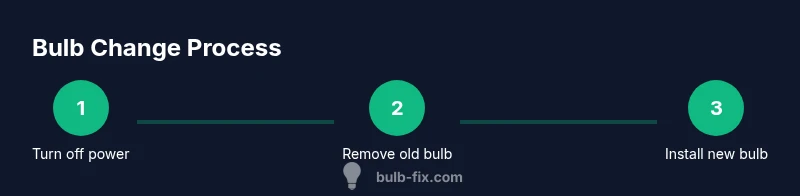
- Turn off power and let the bulb cool completely; never handle a live bulb. If possible, switch off the corresponding circuit to remove any risk of shock. 2) Position your ladder securely and grip the bulb with a dry cloth or gloves to prevent slipping. 3) For screw-base bulbs, rotate counterclockwise and avoid applying excessive force—if it feels fused, stop and inspect for a damaged socket. 4) For bayonet bases, press gently and twist in the recommended direction until it releases from the socket. 5) If the bulb breaks during removal, do not touch shards with bare hands; use a stiff card or brush to sweep shards into a rigid container, then wipe the area with a damp paper towel and dispose of it carefully.
Step-by-step: install the new bulb correctly
- Confirm you have the correct replacement and remove it from packaging without touching the glass with dirty hands. 2) Align the base with the socket and begin threading or inserting; do not force, and stop if resistance is felt. 3) Tighten just enough to seat the bulb snugly—over-tightening can damage the socket. 4) If the fixture has a cover, replace it securely before restoring power. 5) Return power and switch on the light; if the light doesn’t come on, wait a moment and check that the bulb is fully seated and that the circuit is supplying power. 6) If still dark, test with another bulb or check the fuse box and switch. 7) For dimmable setups, ensure you’re using a compatible dimmable bulb and the dimmer is configured properly.
Special situations: enclosed fixtures, dimmers, and smart bulbs
Enclosed fixtures require bulbs rated for enclosed use; these bulbs are designed to handle the higher heat potential typical of tight fixtures. Dimmers may require a specific dimmable bulb and sometimes the dimmer itself needs replacement if it’s aging. In smart-home setups, ensure compatibility with your hub or app, and note that some smart bulbs are heavier or longer and may not fit in all fixtures. If you’re replacing a bulb behind a glass cover, remove the cover according to the device’s instructions and reassemble after installation. For exterior lights, ensure the fixture is rated for outdoor use and that the replacement bulb is appropriate for weather conditions and temperature ranges. Always recycle burned-out bulbs according to local guidelines.
Disposal, safety checks, and final test
Dispose of old bulbs properly; incandescent bulbs can usually be placed in regular trash where permitted, while CFLs and other mercury-containing bulbs require recycling or hazardous-waste handling. If a bulb broke, clean up with a stiff card and bag the shards securely before disposal. After installation, check that the fixture is firmly mounted, the cover is secure, and the light operates normally. Note any unusual flicker or warmth and monitor the fixture over the next few days. Regularly inspect the socket for signs of wear, and replace worn-out parts promptly. By following these steps, you’ll extend bulb life and maintain safe, effective lighting in your home.
Tools & Materials
- Ladder or stable step stool(Stable on a dry, level surface; rated for your height)
- Gloves(Grip the bulb without slipping; avoid bare skin contact)
- Safety glasses(Eye protection against shards)
- Replacement bulb (correct base)(Match base type and wattage; check if dimmable)
- Clean cloth(Wipe socket and surrounding dust)
- Flashlight(Illuminate dim fixtures)
- Screwdriver(Remove fixture covers if present)
- Broom/dustpan(Clean up broken glass safely)
- Rigid container(Dispose of broken bulb safely)
Steps
Estimated time: Total time: 15-30 minutes
- 1
Power down and cool
Turn off power at the switch or breaker. Allow the bulb to cool completely before handling. This minimizes the risk of shock and burns and makes removal easier.
Tip: Never handle a hot bulb; allow several minutes to cool. - 2
Prepare your workspace
Set up a stable ladder on a dry surface. Wear gloves and safety glasses to protect hands and eyes. Clear the area of obstacles and ensure good lighting.
Tip: Ask a helper to steady the ladder if you’re working at height. - 3
Remove the old bulb
Grip the bulb firmly with a cloth or gloves and rotate counterclockwise for screw bases or follow the fixture’s direction for bayonet bases. Do not apply force if it won’t budge.
Tip: If the bulb breaks, avoid touching shards with bare skin. - 4
Check compatibility
Inspect the old bulb’s base type and wattage. Confirm the replacement matches base, maximum wattage, and dimmer compatibility if applicable.
Tip: Always choose a bulb rated for enclosed fixtures if your unit is enclosed. - 5
Install the new bulb
Line up the base and gently insert or thread clockwise until it’s snug. Do not overtighten, which can damage the socket.
Tip: Handle the glass with gloves to prevent fingerprints and oils. - 6
Restore power and test
Turn the power back on and switch the light on to verify operation. If it doesn’t light, recheck seating and wiring.
Tip: If it still fails, test with a known-good bulb in the same socket. - 7
Cleanup and note
Collect tools, wipe surfaces, and store spare bulbs in an organized bin. Note any fixture issues for future maintenance.
Tip: Keep a spare bulb or two of common bases on hand for quick fixes.
Got Questions?
Do I need to turn off the power at the breaker when changing a bulb?
Yes. For safety, switch off either the light switch or the corresponding circuit breaker. Do not rely on the wall switch alone in ceiling fixtures.
Turn off the circuit breaker or the light switch; safety first.
What bulb base types should I know for common fixtures?
Most household fixtures use screw bases like E26/E27; others use smaller bases or bayonet sockets. Always check the old bulb and fixture label for the exact base.
Most fixtures use a screw base like E26 or E27; check your bulb and socket.
Can I mix LED and incandescent bulbs in the same fixture?
In many cases you can mix types if the fixture is not on a dimmer and the combined load is safe. If the fixture has a dimmer, use bulbs compatible with the dimmer to avoid flicker or damage.
You can mix types if there’s no dimmer involved and loads are safe.
How do I safely dispose of a burnt-out bulb?
Incandescent bulbs are typically trash or recycling per local rules. CFLs and other bulbs containing mercury require special recycling. Check your local guidelines.
Follow local guidelines; CFLs need special disposal.
What should I do if the bulb still doesn’t light after replacement?
Double-check that the bulb is seated properly, verify power at the switch and breaker, and inspect the fixture for damage. If unresolved, consider professional help.
If it still won’t light, check seating and power, and consider a professional check.
Watch Video
Key Points
- Turn off power and let the bulb cool before handling.
- Match base type, wattage, and fixture compatibility before purchasing.
- Install snugly without overtightening; testing is essential.
- Follow safety guidelines and local disposal rules for bulbs.