GE Fridge Light Bulb Replacement Guide
Learn how to safely replace a GE fridge light bulb with step-by-step instructions, LED vs incandescent comparisons, safety tips, and disposal advice. This guide keeps your appliance bright and energy-efficient.


Goal: Replace a GE fridge light bulb safely and quickly. Before you start, gather the proper replacement bulb with the same base, a clean workspace, and gloves. Power down the fridge, remove the bulb cover, unscrew the old bulb, install a compatible replacement (LED preferred for energy efficiency), reseat the cover, and test by opening the door.
Understanding the GE fridge light bulb
A GE refrigerator light bulb is a small, replaceable lamp that illuminates the interior when you open the door. The bulb type and socket base can vary by model, so the first step is to verify the base type on the old bulb or in the owner’s manual. In many homes, the GE fridge light bulb uses a standard appliance base, such as E26, but some models may use a bayonet or candelabra base. For homeowners embarking on this task, the ge fridge light bulb replacement is a straightforward DIY project when you have the correct base and a compatible LED option. Sunlight or kitchen lighting does not affect the bulb inside the fridge, but ambient heat can affect longevity; LEDs are often preferred because they run cooler and last longer. Bulb Fix’s research highlights the efficiency gains of LED appliance bulbs, especially in refrigeration where long life matters. The most important aspect is matching the base type and the bulb’s wattage or LED equivalent to prevent overloading the circuit or creating heat buildup inside the light housing.
Choosing the right replacement: LED vs incandescent and base compatibility
When selecting a GE fridge light bulb, consider both the base type and the bulb technology. The most common bases are screw-in (E26) and bayonet styles, but some GE models use candelabra bases (E12). Check the old bulb or your model’s manual to confirm the base, then choose a bulb with the same base. LED replacements are widely preferred for energy efficiency, longer life, and reduced heat output, which helps maintain cold interior temperatures and reduces energy use over time. If you opt for LED, verify that the color temperature is suitable for a refrigerator interior (neutral to cool white, around 2700K–4000K). Bulb Fix’s practical guidance emphasizes lighting that remains bright without warming the interior too much. If you must use incandescent bulbs (for color rendering or availability), replace them with caution and consider LED substitutes as a longer-term solution.
Safety first: unplugging, handling glass, and avoiding shocks
Electrical safety is essential when replacing a GE fridge light bulb. Always power down the appliance before handling any interior components. If unplugging the fridge isn’t convenient, switch off the dedicated circuit at the breaker to minimize the risk of shock. Wear gloves to avoid skin oils transferring to the glass, which can cause hot spots or reduce bulb longevity. Handle the bulb by its base rather than touching the glass. Keep a towel handy to catch any accidental drops and to wipe away fingerprints from the bulb or cover. If you notice corrosion on the socket or melted insulation, stop and inspect for damage before proceeding. This approach aligns with general electrical safety standards outlined by national safety authorities.
In-depth replacement steps overview
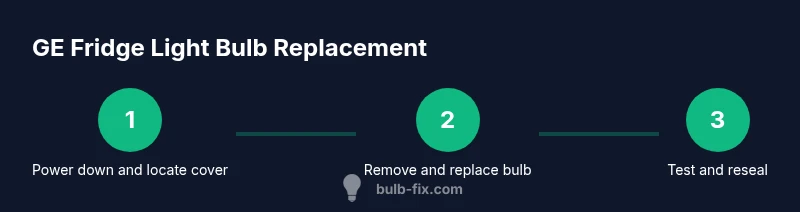
This section provides a concise overview of the replacement process. Power down, remove the bulb cover, extract the old bulb, check the base, insert the replacement, reseal the cover, and test. While many GE fridge light bulb tasks are quick, taking a moment to confirm base compatibility and reach behind shelves safely can prevent damage to interior components. The next section breaks down each action into collectible steps with practical tips and timing guidance. For best results, plan for a 30–45 minute session including setup, replacement, and testing. Remember to keep spare bulbs on hand for future replacements and to label a maintenance kit for quick access. Bulb Fix’s stepwise approach focuses on safety, accuracy, and efficiency.
Troubleshooting common issues after replacement
Even after a careful replacement, a few issues can arise. If the light doesn’t come on, recheck the bulb seating and ensure the cover is fully resealed. A blown fuse or a tripped breaker is another possible cause; reset the breaker and retest. If the door switch is faulty, the light may not illuminate reliably when the door opens. Inspect the socket for signs of wear, corrosion, or looseness. If you replaced with LED and the light flickers, try a known-good LED with the same base to confirm the problem isn’t the bulb. For persistent issues, consult the GE manual or reach out to a licensed electrician.
Authority sources
For safety standards and best practices, consult trusted sources:
- https://www.energy.gov/
- https://www.osha.gov/
- https://www.nist.gov/
These authorities discuss electrical safety, appliance efficiency, and professional guidance to supplement your DIY approach.
Maintenance, disposal, and energy tips
Proper maintenance can extend bulb life and improve efficiency. Keep the bulb housing clean and free of dust; wipe with a dry cloth during replacements. When it’s time to replace, consider LED alternatives for energy savings and reduced heat. Dispose of old bulbs according to local rules; recycle where possible and ensure a cooled, unopened bulb is contained for safe transport. Regular checks also give you a heads-up about socket wear or cover integrity, helping you avoid leaks or accidental moisture exposure inside the fridge.
Authority sources (revisited)
- Energy.gov: LED lighting and appliance efficiency guidance.
- OSHA.gov: Workplace electrical safety rules that apply to home wiring considerations.
- NIST.gov: Electrical safety standards and consumer guidance relevant to household appliances.
Tools & Materials
- Replacement bulb (correct base for GE fridge)(LED recommended for energy efficiency; verify base type (e.g., E26, E12, or bayonet) and wattage or LED equivalent)
- Safety gloves(protect hands and prevent oil transfer to the bulb)
- Screwdriver set (as needed)(use if the bulb cover is held with screws)
- Lint-free cloth or towel(wipe dust from the cover and interior surfaces)
- Disposal bag or container(for old bulb disposal; recycle per local guidelines)
Steps
Estimated time: 30-45 minutes
- 1
Power down and locate
Turn off or unplug the fridge to avoid shocks. Locate the interior bulb cover by opening the freezer or fridge compartment and locating the light housing. This step prevents accidental contact with hot or live components. Why: Working with the light while powered can lead to electric shock or damage to the wiring.
Tip: If unplugging is not convenient, switch off the dedicated circuit on the main panel and wait 60 seconds before proceeding. - 2
Remove the bulb cover
Using gentle pressure, twist or unscrew the bulb cover to expose the bulb. Place a towel under the cover to catch any dust or broken glass. If screws hold the cover, use the appropriate screwdriver.
Tip: Apply even pressure to avoid cracking the cover; if the cover feels stuck, check for hidden screws or clips. - 3
Extract the old bulb
Grip the bulb with gloved fingers and rotate counterclockwise to loosen, or pull straight out if it’s a push-in base. For bayonet bases, align and twist to release. Avoid using excessive force.
Tip: Do not touch the glass with bare hands; oils can shorten bulb life and cause hotspots. - 4
Check base compatibility
Inspect the base you removed and confirm its type (e.g., E26, E12, bayonet). If you’re uncertain, bring the old bulb to the store or consult the GE model number for exact specs.
Tip: If replacing with LED, verify LED compatibility with the fridge’s voltage and internal dimming behavior if applicable. - 5
Install the new bulb
Insert the replacement bulb, turning clockwise until snug for screw-in bases or right until seated for bayonet types. Reattach the bulb cover securely.
Tip: Hold the bulb by the base, not the glass, to minimize fingerprints and ensure a clean connection. - 6
Restore power and test
Plug the fridge back in or turn on the circuit, then open the door to verify the light illuminates properly. If it fails, re-seat the bulb and inspect the socket.
Tip: If the light stays off, rule out a blown fuse or a faulty door switch before replacing more components. - 7
Final check and cleanup
Inspect for any fingerprints on the bulb and ensure the cover is closed. Store tools and keep a spare bulb for future replacements.
Tip: Label a small container with spare GE fridge bulbs in your maintenance kit for quick access later.
Got Questions?
What base types do GE fridge light bulbs use?
GE fridges may use screw-in bases like E26 or bayonet bases depending on the model. Always verify the base type from the old bulb or the model manual before purchasing a replacement.
GE fridges use common screw-in or bayonet bases; verify the base before buying a bulb.
Can I substitute LED for GE fridge light bulbs?
Yes. LED replacements save energy and last longer. Make sure the LED bulb matches the base and voltage and provides a suitable color temperature for the fridge interior.
Yes, LED bulbs work well and save energy; match base and specs.
Why won't the light turn on after replacement?
Common causes include a loose seating, a blown fuse, a faulty door switch, or a damaged socket. Re-seat the bulb, check the switch, and inspect the socket for damage.
If it won't light, re-seat and inspect the socket; check the door switch.
Is it safe to replace a fridge bulb while the fridge is plugged in?
Power down or unplug when possible to reduce shock risk. If you can't unplug, switch off the circuit and avoid touching live metal parts.
If possible, unplug first; if not, switch off the circuit.
How can I tell when my GE fridge light bulb needs replacing?
If the light is dim, flickers, or fails to illuminate after a proper replacement, the bulb or socket may be defective. Check by swapping with a known-good bulb.
If it’s dim or flickers, consider replacing the bulb or checking the socket.
How should old bulbs be disposed of?
Wrap the bulb and place it in recycling if your area accepts it; otherwise dispose with regular trash after cooling. Some bulbs may be hazardous waste depending on local rules.
Recycle when possible; otherwise dispose per local rules after it’s cooled.
Watch Video
Key Points
- Power down before touching any fridge bulb
- Match base type and wattage/LED equivalent
- LEDs save energy and last longer
- Test after reassembly to confirm proper operation
- Dispose of old bulbs responsibly