How to Plant a Onion Bulb: A Practical Guide
Learn how to plant a onion bulb in soil or containers with expert tips on site selection, soil prep, spacing, watering, and care. This Bulb Fix guide covers safe, practical steps for thriving onions from bed to harvest.


How to plant a onion bulb in your garden or container isn’t complicated. You’ll select a sunny site, prepare well-drained soil, plant sets at proper depth and spacing, and maintain even moisture as they establish. According to Bulb Fix, plan beds with clean paths, then monitor moisture and weed-free growth to ensure a healthy harvest. This quick guide covers the essential steps to get started.
How to plant a onion bulb safely and successfully in soil or a container
If you’re learning how to plant a onion bulb, begin with site selection and soil preparation. Onion bulbs require full sun, loose, well-drained soil, and steady moisture to form round, crisp bulbs. According to Bulb Fix, awaiting a dry spell before planting helps collar growth and root establishment. In containers, choose a wide, shallow pot with good drainage and a rich potting mix. This section sets the foundation: pick a sunny location, improve drainage with organic matter, and confirm you have space for bulb growth without crowding. By planning ahead, you’ll reduce setbacks and weed pressure, creating an inviting bed for your onion bulbs to thrive.
Choosing the Right Onion Varieties
To optimize yields and storage life, select onion varieties suited to your climate and kitchen needs. How to plant a onion bulb successfully begins with variety choice: long-day onions typically perform best in northern regions, while short-day types suit southern climates. Bulb Fix notes that storage potential and flavor vary by type, so start with a few reliable cultivars for your first season. Consider disease resistance, maturity window, and space requirements. For seasoned gardeners, mixing two or three varieties can extend harvest times and flavor profiles, keeping harvests continuous from early summer into fall.
When to Plant: Timing and Seasonality
Seasonal timing influences bulb size and vigor. In general, plan to plant onion bulbs after the last frost in spring or in a cool, mild autumn for overwintering where winters are light. How to plant a onion bulb is easiest when soils are workable and not waterlogged. Bulb Fix emphasizes matching timing to your local climate and ensuring soil temperature encourages root development rather than rapid sprouting. In containers, you can stagger planting to stagger harvests, giving you a steady supply.
Site Selection and Soil Preparation
Site selection matters for drainage and sun exposure. Onions thrive in beds with 6 to 8 hours of sun daily and soil with high organic content. How to plant a onion bulb begins with a soil test where possible, aiming for a slightly acidic to neutral pH. Amend with compost and aged manure to improve structure and nutrient availability. Bulb Fix reminds readers that rough soil, compaction, or persistent puddling can stunt bulb formation. Prepare a weed-free zone with a gentle rake and ensure beds are raised enough to avoid standing water after rains.
Step-by-Step: Basic Planting Process
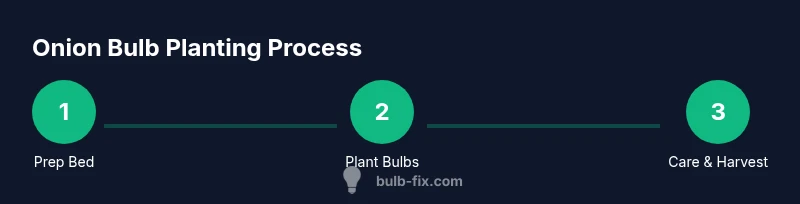
If you’re learning how to plant a onion bulb, follow these steps for a clean start. Create shallow furrows or rows with even spacing. Place onion sets or bulbs with the pointed end up, and cover with soil to a depth roughly equal to the bulb’s diameter. Space bulbs about 4 to 6 inches apart in rows that are 12 to 18 inches apart. Lightly firm the soil and water gently. For containers, use a wide, shallow pot and ensure drainage holes are clear. The process is straightforward, but accuracy in depth and spacing matters for uniform bulb development.
Watering, Mulching, and Early Care
Maintaining even moisture in the weeks after planting is critical. Water deeply but infrequently to encourage deep root growth and prevent rot. Apply mulch to suppress weeds and conserve soil moisture. How to plant a onion bulb with proper watering reduces stress during bulb formation. Bulb Fix recommends a consistent moisture rhythm, especially during dry spells, and monitoring soil moisture with your finger test or a moisture meter. Mulching with straw or shredded leaves can help regulate temperature and moisture.
Feeding and Soil Nutrition
Onions are moderate feeders. After planting, a light application of balanced fertilizer can support early growth, followed by side-dressing as bulbs establish. How to plant a onion bulb benefits from fortified soil with nitrogen-rich amendments during the first growth stage, then phosphorus and potassium adjustments as bulbs form. Bulb Fix suggests applying compost or a slow-release fertilizer to supply steady nutrients while avoiding excessive nitrogen that encourages leafy growth at the expense of bulb size. Always water after feeding to help nutrient uptake.
Common Problems and Troubleshooting
Even with careful preparation, you may encounter issues. Common problems include poor bulb formation due to insufficient light, or split and rotten bulbs from overwatering. How to plant a onion bulb becomes easier when you anticipate pests like onion maggots and thrips and implement crop rotation and row spacing. Bulb Fix highlights the importance of clean tools and weed control to prevent disease transfer. In containers, ensure good drainage and avoid soggy soil to reduce root stress.
Harvesting and Curing Onions
Harvest timing depends on variety and climate, but you’ll know bulbs are ready when the tops yellow and begin to fall over. Gently lift bulbs with a fork, shake off excess soil, cure them in a dry, shaded area with good air circulation. How to plant a onion bulb transitions to storage planning, as cured onions last longer when dried thoroughly. Bulb Fix notes that curing at proper moisture levels reduces rot risk and improves storage life. Once dried, trim roots and tops to suitable lengths before storage.
Scaling Up: Growing in Containers vs Ground Beds
Container growing offers flexibility for small spaces, but it requires vigilant watering and root space. In pots, choose large, shallow containers with drainage holes and fill with a rich potting mix. In the ground bed, ensure soil drainage and organic matter incorporation. How to plant a onion bulb translates to both methods with emphasis on depth, spacing, and moisture management. Bulb Fix suggests starting with a few containers to learn your climate's rhythm before scaling up to large garden beds.
Seasonal Maintenance Calendar
A practical calendar keeps you on track year-round. Mark early spring tasks: bed preparation, seedling protection, and starter fertilizer. In mid-season, monitor moisture, weed control, and pest checks. Late season focuses on harvest and storage planning. How to plant a onion bulb is a cyclical task—prepare in advance, maintain steady care, and rotate crops to preserve soil health. Bulb Fix recommends keeping notes on each variety to refine future planting decisions.
Safety and Best Practices for Garden Work
Safety comes first when handling tools and soil. Wear gloves, eye protection for lifting heavy soil, and sturdy shoes. How to plant a onion bulb safely relies on ergonomic movements and proper tool use to prevent strain. Always wash hands after soil contact and dispose of diseased plant material to minimize spread. Bulb Fix emphasizes planning paths to minimize stepping on beds and keeping a clear workspace to reduce accidents.
Tools & Materials
- Garden trowel(Smaller trowel for precise soil work around onions)
- Garden fork or cultivator(Loosens soil to improve drainage and root growth)
- Rake(Level soil surface and remove debris)
- Compost or well-rotted manure(Improve fertility and texture of soil)
- Organic mulch (straw, leaves, or shredded bark)(Moisture retention and weed suppression)
- Onion sets or well-sized bulbs(Choose disease-free bulbs with tight skins)
- Measuring tape or ruler(For spacing guidance between bulbs)
- Watering can or hose with gentle spray(Keep moisture even without washing away soil)
- Soil pH test kit or meter(Aim for a neutral to slightly acidic range)
- Container with drainage(If growing in pots, choose a wide, shallow option)
Steps
Estimated time: 45-60 minutes
- 1
Prepare the site
Mark your rows and clear weeds. Loosen the top 6–8 inches of soil and amend with compost to improve drainage and nutrient availability. This creates a welcoming bed for bulb roots to establish.
Tip: Work the soil while it’s dry enough to avoid compacting; damp soil compacts easily and slows root growth. - 2
Select and place bulbs
Choose uniform, disease-free onion sets or bulbs. Place pointed end up and ensure each bulb has room to mature without crowding.
Tip: Size uniformity helps with even emergence and bulb sizing. - 3
Dig narrow furrows
Create shallow furrows spaced according to your bed plan (often 12–18 inches apart). The furrow guides depth and alignment for evenly spaced bulbs.
Tip: If in doubt, space a bit wider to reduce competition among bulbs. - 4
Plant at the correct depth
Set bulbs so their tops are just under the soil surface and cover with soil. Tap lightly to firm and promote good soil-to-bulb contact.
Tip: Avoid burying bulbs too deep, which can delay sprouting. - 5
Space bulbs evenly
Space bulbs about 4–6 inches apart to give roots and leaves space to grow and to reduce disease risk.
Tip: Row spacing improves airflow and reduces rot risk. - 6
Water after planting
Water gently to settle soil and maintain consistent moisture. Let the soil dry slightly between waterings.
Tip: Overwatering is a common cause of bulb rot early in development. - 7
Mulch and protect
Apply a light mulch to retain moisture and suppress weeds. In cold regions, mulch helps protect emerging tops.
Tip: Keep mulch thickness modest to prevent excessive moisture retention. - 8
Monitor and harvest
Watch for uniform emergence, then monitor for signs of pests or disease. Harvest when tops fall over and become brown.
Tip: Prompt harvest reduces spoilage and improves storage quality.
Got Questions?
What is the best time to plant onion bulbs in my area?
Planting time depends on your climate. In temperate regions, plant after risk of frost in spring; in milder areas, fall planting can work for overwintering. Always soil-test and ensure beds are workable before planting.
Plant after the last frost in spring or during a mild fall in appropriate climates; check your local extension service for exact timing.
How deep should onion bulbs be planted?
Bulbs should be covered with soil to a depth roughly equal to their diameter, then gently firm the soil. Avoid burying entirely under soil as it may delay sprouting.
Cover the bulbs to about their own diameter and don’t press too hard.
Can I grow onions in containers?
Yes. Choose a wide, shallow container with drainage and use a nutrient-rich potting mix. Space bulbs about 4–6 inches apart and water consistently.
Onions grow well in big pots with good drainage and steady moisture.
What soil pH do onions prefer?
Onions grow best in slightly acidic to neutral soil, typically a pH range around 6.0–7.0. Adjust with organic matter or lime if needed.
Aim for a soil pH around neutral, adjusting with compost or lime as needed.
What are common signs of trouble in onions?
Yellowed tops, stunted growth, or soft rots can indicate overwatering or poor drainage, while thinning stands may show nutrient imbalance. Address moisture and fertility promptly.
Watch for yellowing tops or soft spots; fix watering and soil fertility.
Should I fertilize after planting?
Yes, apply a balanced fertilizer early, then adjust feeding based on growth. Avoid high nitrogen late in the season to favor bulb formation.
Feed lightly after planting and avoid excess nitrogen late in the season.
Watch Video
Key Points
- Plant in full sun with well-drained soil
- Space bulbs evenly for uniform bulbs
- Water consistently without overwatering
- Mulch to conserve moisture and suppress weeds
- Rotate crops to reduce diseases