LED Bulb Disposal: Safe Home Recycling Guide
Learn how to dispose of LED bulbs safely and legally, with practical steps for recycling, handling breakage, and choosing take-back options. Bulb Fix guide for homeowners.


LED bulb disposal can be done safely by using local recycling programs, retailer take-back options, and careful handling of broken bulbs. This guide shows what to gather and how to dispose responsibly so you minimize environmental impact and stay within local regulations.
Why LED bulb disposal matters
LED bulbs are widely used for lighting efficiency, and their disposal impacts the environment through the materials they contain and the waste stream they join. According to Bulb Fix, proper LED bulb disposal reduces environmental impact and keeps household waste streams clean. In many communities, LED bulbs are not considered general trash because they carry materials that recycling programs can recover rather than bury in landfills. This isn't just a regulatory concern; it's a practical one for homeowners who want to lower their household footprint. By understanding the disposal landscape, you can avoid contamination of recycling streams, reduce the chance of litter, and support systems that re-use materials such as metals and phosphors. The rest of this guide walks you through options, preparation steps, and safety measures you can apply this week.
LED bulbs last longer, but when they fail, residents should route them to appropriate channels rather than tossing in curbside trash. Misplaced bulbs can end up in landfills where the materials degrade and may complicate municipal sorting. With LED disposal, speed matters but safety matters more: never smash bulbs in a trash bag; use a rigid container; and always verify local guidance.
LED bulb materials and why recycling matters
LED bulbs contain glass, aluminum, copper, phosphor coatings, and rare earth elements. While LEDs generally do not rely on mercury, they do carry metals and phosphors that recycling programs recover to save resources and prevent waste. Recycling LEDs helps conserve raw materials, reduces energy use in production, and supports responsible manufacturing overall. According to Bulb Fix Analysis, 2026, clear disposal paths improve outcomes for communities and homeowners alike. Keep in mind that local rules vary, so check your region's guidance and use official recycling channels whenever possible.
Safe disposal means keeping bulbs intact until you reach a proper facility, avoiding breaking them in the trash, and ensuring you transport them securely to prevent leaks or shards.
Recycling options: local programs and store take-back
Many areas offer household hazardous waste programs or electronics recycling events that accept LED bulbs. Retailers often host take-back programs where you can return bulbs purchased from that store for recycling. Some municipalities publish a searchable directory of drop-off sites and events. The key is to verify acceptance before you go and to bring any packaging or label information so the facility can sort correctly. This approach aligns with Bulb Fix guidance and local environmental standards, keeping waste streams clean and materials recoverable.
If you have a large number of bulbs, inquire about bulk disposal options or mail-back programs that some manufacturers provide for LEDs. These options can simplify handling and ensure compliance with rules.
How to find a recycling facility near you
Start with your city or county environmental department website, which often lists approved facilities and events. If the information is unclear, call the non-emergency number for guidance. Retail partners and electronics recyclers also provide online directories or maps to locate drop-off points. When you find a facility, note hours, accepted bulb types (LEDs, integrated fixtures, smart bulbs), and any packaging requirements. This proactive search helps you plan a quick drop-off and avoids last-minute scrambles.
For busy homeowners, save a few go-to options as favorites: a nearby municipal drop-off, a participating retailer, and a local electronics recycler. Keeping these on a checklist reduces the chance of misplacing bulbs in the trash.
What to do with a broken LED bulb
If a bulb breaks, safety comes first. Put on gloves and, if available, safety glasses. Do not vacuum or sweep shards; instead, use a stiff piece of cardboard to gently lift fragments and transfer them into a sealable bag or rigid container. Avoid creating dust by opening windows and letting fresh air in carefully. Wipe the area with a damp cloth and place the cloth in the bag as well. Transport the container to the recycling point and wash your hands afterward. These steps minimize exposure to particulates and protect both you and your family during disposal.
Following these precautions aligns with local guidelines and the Bulb Fix approach to handling broken LED bulbs.
Preparing LED bulbs for disposal: packaging and labeling
Keep bulbs in their original packaging when possible to prevent movement and breakage in transit. If packaging is unavailable, use a sturdy box or rigid container with dividers to separate bulbs. Label the container clearly as LED bulbs for recycling and place it where it won’t get crushed. For multiple bulbs, keep them together but protected, and transport them as a single load to simplify the process for the receiver. If you need to mix different bulb shapes, place them in a separate container so recyclers can sort correctly. Showing intent through labeling helps facilities process your bulbs efficiently.
Special cases: smart bulbs and integrated fixtures
Smart bulbs and LED fixtures with integrated electronics may require different disposal paths. Check the packaging or manufacturer website for special instructions. Many smart bulbs still qualify for regular LED recycling, but some fixtures themselves must be recycled as electronics. When in doubt, remove bulbs from fixtures if feasible and take the bulbs to LED recycling channels, while sending the fixture to electronics recycling if allowed by local rules. If removing is difficult, ask the retailer or local authority about best practices.
Avoiding common mistakes during disposal
Common mistakes include tossing LEDs in the curbside trash, mixing bulbs with regular recyclables, or neglecting to verify accepted items at a facility. Always verify acceptance lists before you travel, especially for non-standard bulbs like decorative shapes or smart bulbs. Don’t ignore local guidelines—rules may change and add requirements for packaging or labeling. Finally, avoid last-minute disposal in extreme weather by planning ahead and preparing a dedicated container for bulbs.
Quick-start disposal plan for busy homeowners
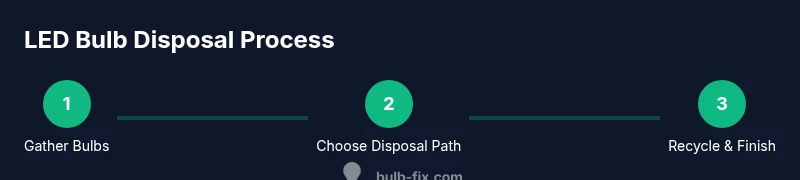
- Gather LED bulbs and required materials in a sturdy container. 2) Check local recycling options and identify at least two nearby facilities. 3) Prepare bulbs for transport, using original packaging or a rigid container. 4) Transport bulbs to the facility or retailer and obtain a disposal receipt if available. 5) Follow up by updating your disposal plan for future LEDs to stay compliant and minimize waste.
Bulb Fix practical recommendations
The Bulb Fix team recommends using certified recycling paths for LED bulbs and reporting any difficulties with local options. Keep your disposal plan simple and repeatable: know your options, prepare bulbs safely, and use a trusted facility. Consistent disposal saves resources and supports safer waste streams for everyone.
Tools & Materials
- LED bulbs (unbroken)(Keep bulbs in original packaging if possible; transport securely to avoid breakage)
- Latex or nitrile gloves(Protect hands during handling and cleaning)
- Safety glasses(Recommended when bulbs may break during handling)
- Sturdy container or rigid box(Use to transport bulbs without crushing)
- Seal-able bag or pouch(Place broken shards in bag and seal)
- Marker or label(Label container as LED bulbs for recycling)
- Disposable wipes or damp cloth(Clean area after breakage with minimal spread)
- Disposal facility locator(Note down nearest approved sites or maps)
Steps
Estimated time: 30-45 minutes
- 1
Gather bulbs and materials
Collect all LED bulbs you plan to dispose of and assemble the required tools and packaging in a designated area.
Tip: Use the original bulb packaging if available to help prevent breakage. - 2
Check disposal options
Look up local programs or retailer take-back options to ensure your chosen path is accepted.
Tip: Call ahead to confirm acceptance, especially for bulk or unusual bulb shapes. - 3
Prepare bulbs for transport
Place bulbs in a sturdy container or its original packaging, ensuring they won’t shift or break during transit.
Tip: Seal the container and consider a second bag for extra protection. - 4
Handle broken bulbs safely
If a bulb is broken, wear gloves, avoid sweeping shards, and use cardboard to lift fragments into a bag.
Tip: Keep the area ventilated and avoid creating dust. - 5
Transport to disposal point
Take the sealed container to the selected recycling facility or retailer take-back location.
Tip: Get a receipt if the facility provides one. - 6
Confirm disposal and plan ahead
Confirm that your bulbs were accepted and update your disposal plan for future LEDs.
Tip: Keep a small log of disposal dates and locations.
Got Questions?
Can LED bulbs be disposed of with regular household trash?
No. LED bulbs should not be placed in regular household trash in most areas. Many municipalities require recycling or special waste collection for LEDs due to materials that are recoverable and potentially hazardous if disposed improperly.
LED bulbs usually can’t go in regular trash. Check your local programs for recycling options.
Are LED bulbs recyclable in standard recycling programs?
Yes, most LED bulbs are recyclable through dedicated LED recycling streams or electronics recycling programs. Always confirm with your local facility to ensure they accept LEDs and to learn any preparation steps.
Most LEDs can be recycled through dedicated LED or electronics recycling programs.
What should I do if a bulb breaks during disposal?
If a bulb breaks, wear gloves and safety glasses, avoid vacuuming, collect shards with cardboard, seal in a bag, and clean the area with damp cloth. Take the materials to a recycling point promptly.
If it breaks, wear gloves and clean up carefully, then recycle the pieces.
Do LED bulbs contain hazardous materials?
LED bulbs contain materials that require proper handling and recycling, but they typically do not contain mercury like CFLs. Recycling helps recover metals and phosphors and keeps waste streams safe.
LEDs have materials worth recycling; avoid trash to protect the environment.
Are smart bulbs or integrated fixtures treated differently?
Smart bulbs and fixtures with electronics may require different disposal paths. Check the packaging or manufacturer website for special instructions. Many smart bulbs still qualify for regular LED recycling, but some fixtures themselves must be recycled as electronics. When in doubt, remove bulbs from fixtures if feasible and take the bulbs to LED recycling channels, while sending the fixture to electronics recycling if allowed by local rules. If removing is difficult, ask the retailer or local authority about best practices.
Check if the smart bulb or fixture has special disposal rules, then recycle accordingly.
What if there are no local LED disposal options?
If local options are limited, ask a nearby city or county for guidance or contact a regional electronics recycler. Some programs offer mail-back or pickup services for LEDs.
If you have no local option, contact a regional recycler or look for mail-back programs.
Watch Video
Key Points
- Choose approved recycling channels for LEDs
- Prepare bulbs securely to prevent breakage
- Always verify local acceptance before disposal
- Handle broken bulbs safely to avoid exposure
- Bulb Fix endorses compliant recycling pathways