Light Bulb Disposal at Lowe's: Safe, Easy Disposal Steps
Discover safe, compliant light bulb disposal for Lowe's shoppers, with handling tips, recycling options, curbside guidance, and store drop-off steps from Bulb Fix.


By following this guide, you will learn how to dispose of common light bulbs safely for Lowe's customers, including incandescent, CFL, and LED varieties. You'll find Lowe's-specific guidance, local drop-off options, and safety tips to prevent mercury exposure and broken glass. This quick answer highlights the steps and safety considerations Bulb Fix recommends for homeowners.
Why proper light bulb disposal matters
According to Bulb Fix, proper light bulb disposal reduces potential environmental hazards and protects household members from exposure to mercury (present in some bulb types) and sharp glass. When bulbs are discarded carelessly, small breaks can release mercury vapors or create hazardous waste streams that complicate recycling programs. For many households, improper disposal is a common, fixable mistake that can be corrected with a simple routine. In this guide, we will cover how to identify bulb types, what disposal options exist through Lowe's and community programs, and the practical steps you can take to handle bulbs safely. The keyword light bulb disposal lowes should be addressed through clear actions you can take today, including using store drop-off and curbside recycling programs where available. By following these steps, homeowners can minimize risk and maximize the chance that bulbs are recycled rather than sent to a landfill. The Bulb Fix approach emphasizes practical, safe handling, local resource awareness, and adherence to basic safety protocols when dealing with potentially hazardous waste.
Understanding bulb types and disposal options
Bulbs come in several types, each with different disposal considerations. Incandescent bulbs are typically treated as regular household waste where local rules permit. Compact Fluorescent Lamps (CFLs) contain small amounts of mercury and require special handling and recycling rather than plain trash. Light Emitting Diode (LED) bulbs are generally recyclable through many municipal or store programs, though the exact handling depends on your region. High-intensity discharge lamps (HID) and other specialty bulbs may require drop-off at a hazardous waste facility or a dedicated electronics recycling center. Regardless of type, always check local guidelines before discarding. The core idea is to minimize breakage and prevent mercury exposure, especially in CFLs. For Lowe's shoppers, understanding these distinctions helps you choose the safest disposal route and reduces the chance of contamination in recycling streams. Bulb Fix emphasizes using appropriate containment and local options to keep disposal compliant and environmentally responsible.
Lowe's guidance and local options
Lowe's stores commonly offer recycling options for CFL bulbs and other small lighting devices in many locations, and store associates can point you toward the nearest drop-off or recycling program. If a particular Lowe's location does not accept bulbs, you can use municipality household hazardous waste programs, dedicated recycling centers, or mail-back programs where available. Always call ahead to confirm whether a CFL, LED, or HID bulb is accepted and whether you should bring it in for curbside pickup or in-store drop-off. The general rule of thumb is to separate bulbs by type, avoid mixing with regular trash, and choose a compliant recycling pathway. The Bulb Fix team recommends using confirmed Lowe's or local recycling channels to ensure proper handling and to reduce landfill impact. Remember to keep bulbs intact until disposal and avoid attempts to repurpose hazardous bulbs for other uses.
How to prepare light bulbs for disposal
Preparation is the key to safe, clean disposal. Begin by wearing protective gloves and eye protection to guard against broken glass. Keep bulbs in their original packaging if possible, or place them in a rigid, puncture-resistant container with a secure lid. For CFLs or any bulb that contains mercury, seal the bulb in a sealed bag or wrap it in heavy paper to prevent leaks. Label the container clearly as a bulb with mercury if CFLs are inside, and do not mix with regular trash or household recyclables. If a bulb breaks, sweep up carefully with a stiff piece of cardboard, place the fragments and powder into a sealed bag, and wash the area with a damp cloth that is disposed of in the sealed bag as well. Following these steps reduces exposure risk for you and your family and aligns with Bulb Fix’s guidance on safe disposal practices.
Step-by-step at home and store drop-off
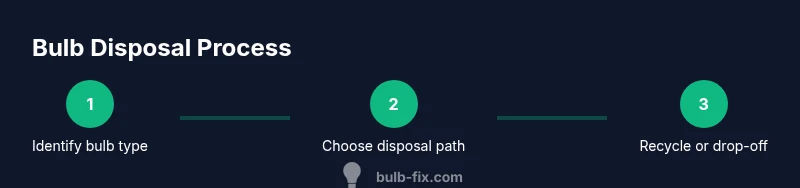
- Identify the bulb type and locate the appropriate disposal option. This step helps you choose the right container and route; CFLs usually require recycling, LEDs can be recycled where accepted, and incandescents often go to regular trash where allowed. 2) Gather containment materials such as a rigid container, a sealable bag, and gloves. 3) Place bulbs securely in the container or bag, ensuring no loose ends or exposed glass. 4) Transport to your chosen disposal point—store drop-off if available, or municipal recycling drop-off; do not mix items with household trash. 5) Present the bulbs to the attendant or place in the designated drop-off bin and obtain a receipt if offered. 6) Record the disposal if your city requires documentation. Time estimate: 15-25 minutes depending on distance and access to recycling programs.
What happens to bulbs after disposal
After disposal, bulbs go through a series of processing steps depending on their type. CFL bulbs are treated to recover mercury and separate glass and metal components for recycling, while LEDs and other bulbs are typically disassembled so that materials like glass, metal, and semiconductors can be recycled. Recycling centers and manufacturers partner to reclaim usable materials and reduce the need for virgin resources. The exact process varies by facility and bulb type, but the overarching goal is to minimize environmental impact and prevent hazardous materials from entering landfills. By choosing store drop-off or municipal recycling options, you help support a system that safely handles hazardous waste and maximizes material recovery.
Safety tips and common mistakes
Common mistakes include throwing bulbs in regular trash, failing to seal broken bulbs, and not checking local disposal rules. Always treat CFLs as hazardous waste and handle them with care to prevent mercury exposure. Do not mix bulbs with other recyclables, and avoid crushing bulbs, which can release shards and mercury-containing dust. If you’re unsure about a bulb type, consult Lowe's staff or your local waste authority before disposing. For extra safety, wear gloves and eye protection when handling bulbs that are damaged or broken, and place them in a sealed container until disposal. Bulb Fix stresses the importance of following local guidelines and using certified recycling routes to minimize risk and environmental impact.
Authoritative sources and verification
For authoritative guidance on bulb disposal, see these official resources: https://www.epa.gov/hwgenerators/universal-waste-lamps-and-bulbs, https://www.osha.gov, and a trusted university recycling resource at https://www1.eastern.edu/environment/recycling/bulbs. These sources provide general guidelines that support safe handling and proper disposal practices. Always verify with your local municipality or Lowe's store for the most current options and accepted bulb types. Bulb Fix uses these references to help homeowners navigate disposal safely and efficiently.
Tools & Materials
- Gloves (nitrile or latex)(Protect hands from glass and residues)
- Safety glasses(Optional for handling broken bulbs)
- Rigid, sealable container(Mits safe containment; use a box or metal tin)
- Sealable plastic bag(Contain bulbs or fragments securely)
- Packing tape or label(Label container as 'bulbs - mercury' if CFLs included)
- Marker for labeling(Indicate bulb type and date of disposal)
- Damp cloth or paper towels(Clean up small spills without creating loose dust)
Steps
Estimated time: 15-25 minutes
- 1
Identify bulb type
Review the packaging or bulb markings to determine whether the bulb is incandescent, CFL, LED, or HID. This informs whether recycling is required and which disposal route to use.
Tip: When in doubt, treat it as a hazardous waste until you verify the type. - 2
Gather containment
Assemble a rigid container and a sealable bag to keep bulbs intact and prevent leaks during handling.
Tip: Use a separate container for single bulbs versus a bag for multiple bulbs. - 3
Package securely
Place bulbs in the container with the ends protected; seal the bag and place the bag inside the container. Avoid crushing bulbs.
Tip: Wrap fragile bulbs in padding if you’re transporting several at once. - 4
Choose disposal route
If you have CFLs or other hazardous bulbs, prefer a certified recycling drop-off or store program. LEDs and other bulbs can be recycled where accepted.
Tip: Call ahead to confirm acceptance before traveling. - 5
Transport safely
Keep the container upright and secured in your vehicle to prevent breaks. Keep it away from children and pets.
Tip: Do not place bulbs in the trunk with heavy items that could crush them. - 6
Verify disposal and document
At the drop-off site, hand the container to staff or place in the designated bin. Request a receipt if provided and note the disposal date.
Tip: Keep the receipt or confirmation for your records.
Got Questions?
Can I throw away light bulbs with regular trash?
In many places CFLs and other hazardous bulbs should not go in regular trash due to mercury. Always check local rules and use recycling or drop-off options as available.
Mercury-containing bulbs should not be placed in regular trash; check local guidelines and use recycling or store drop-off options.
Are CFL bulbs recyclable?
Yes, CFL bulbs are recyclable and should be handled through proper recycling streams or store drop-off. Do not place them in regular waste.
CFL bulbs are recyclable. Use the proper recycling stream or store drop-off and avoid regular trash.
Does Lowe's accept bulbs for recycling?
Many Lowe's locations offer CFL bulb recycling and guidance on disposal. Availability varies by store, so check with your local Lowe's before visiting.
Many Lowe's stores offer CFL bulb recycling; call ahead to confirm availability.
What should I do with a broken bulb?
Carefully collect fragments with stiff paper and place them in a sealed container. Wipe the area with damp paper towels and seal these as well. Avoid brushing, which spreads dust.
If a bulb breaks, pick up shards with stiff paper, seal in a bag, wipe the area with damp towels, and dispose of them properly.
Where can I find disposal options near me?
Check your city or county recycling program, municipal hazardous waste facility, or ask your local home improvement store for disposal options and accepted bulb types.
Look up your local recycling program or hazardous waste facility, or ask nearby stores for disposal options.
Watch Video
Key Points
- Identify bulb type before disposal.
- Contain bulbs securely to prevent breakage.
- Use certified disposal routes and verify local rules.
- Follow safety steps to protect people and the environment.