How Long to Grow Onions from Sprouted Bulb
Learn how long it takes to grow onions from a sprouted bulb, plus setup, care, harvest windows, and storage tips. Bulb Fix guides homeowners through a clear, step-by-step approach for reliable home-grown onions.


From a sprouted bulb, expect onions to reach harvest in roughly three to six months, depending on onion type, climate, and care. Begin by establishing roots, transplant into well-draining soil with full sun, and maintain steady moisture with light feeding. Monitor day length and temperature, adjust watering by season, and space plants properly to avoid crowding.
What a sprouted onion bulb is and why it can grow
Accordingly to Bulb Fix, a sprouted onion bulb is simply an ordinary storage onion that has begun to regrow from its basal plate. The top greens, or shoots, emerge first, followed by a developing root system. Under the right conditions, this growth can lead to a usable, edible bulb later in the season. The advantage for home gardeners is that you can start with a ready-to-use plant and skip some early seedling steps. However, success depends on providing sun, warmth, drainage, and steady moisture. In many kitchens you’ll find a sprouted onion can be repurposed for greens as it continues to form a bulb. For best results, plant the sprouted bulb in well-draining soil, not a soggy bed, and give it room to expand without crowding the neighbors. Bulb Fix emphasizes patience and careful observation, since sprouted bulbs thrive with consistent care rather than rush. You’ll notice the plant prioritizes green growth first, then bulb formation as days lengthen and temperatures rise.
Varieties and timing: short-day vs long-day onions
Onions come in day-length varieties, and your harvest window will hinge on whether you choose short-day or long-day types. Short-day onions are often more forgiving in warmer regions, whereas long-day onions thrive in northern latitudes with longer summer days. When growing from a sprouted bulb, you’ll observe greens first, followed by swelling in the root zone as the bulb starts to form. Bulb Fix analysis shows that the maturity window is broad and influenced by temperature, light, and soil fertility. If you’re uncertain which variety to pick, choose a versatile type labeled for home gardens. While you may plan for a specific harvest date, use plant size, firmness, and ring formation around the bulb as cues. Remember, environmental factors can shift timelines by weeks, not days, so stay flexible and monitor growth.
Choosing containers, soil, and location
Select a container or garden bed with good drainage and a soil mix that drains well yet retains moisture. A loamy, well-amended soil with a pH between 6.0 and 7.0 supports bulb formation and root health. Place containers or beds in a sunny location that receives at least 6-8 hours of direct sun daily. Avoid overly rich soil that encourages excessive top growth at the expense of bulb size. If you’re growing in a container, ensure there are drainage holes and use a light, airy soil mix. Mulch can help stabilize moisture and suppress weeds during hot spells. Consistent sun and airflow reduce disease risk and support uniform bulb development.
Planting plan: prepping and transplanting
Begin by gently removing the sprouted bulb from any packaging and inspecting for soft spots or mold. If you find damaged areas, trim them away with clean scissors. Dig a planting hole shallow enough to bring the base of the sprout close to the soil surface while leaving the green shoot exposed. Place the bulb with the roots downward and the shoot upward, then firm the soil around it to avoid air pockets. Water lightly after planting to settle the soil, and keep the bed evenly moist as roots establish. Space plants to allow 4-6 inches of room if planting in the ground or to match pot width in containers. Label varieties if you’re growing more than one type.
Water, light, and feeding: keeping growth steady
Onions require steady moisture and strong light. Water consistently so the soil remains damp to a depth of several inches, not waterlogged. Inconsistent watering causes bulb split or misshapen onions. In warm periods, water more frequently, but reduce if rain is plentiful. A sunny, sheltered spot helps reduce stress from wind. Fertilize lightly with a balanced, slow-release formula at planting and again mid-season, following label directions. Avoid heavy nitrogen late in the season, which can promote leafy growth at the expense of bulb development. Mulching helps retain moisture and moderates soil temperature.
Growth stages from sprout to mature bulb: signs of readiness
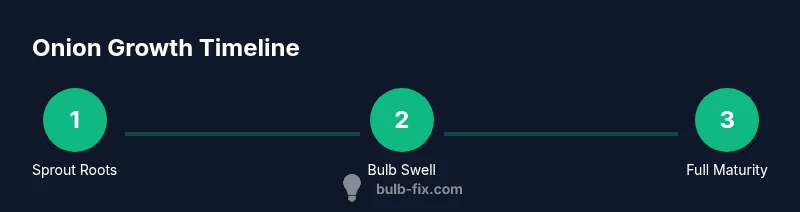
In the early weeks, you’ll see fresh greens and a developing root system. As days lengthen, the bulb will begin to swell at the base while greens remain vigorous. A mature bulb generally shows a slightly flattened shape and a firm outer skin. The size you aim for depends on your variety, but avoid cutting or pulling the plant before the bulb has formed a visible neck and skin. Use gentle thumb pressure to test firmness. The process can take several months, with growth accelerating during bright, cool days. Bulb Fix notes that consistent care yields the best, uniform bulbs.
Troubleshooting common problems
Common issues when growing onions from sprouted bulbs include bulb rot due to overwatering, mold on the neck, and pests such as onion maggots. Ensure drainage is adequate, avoid standing water, and remove any rotting material promptly. If you notice yellowing leaves, check for nutrient deficiencies or soil moisture imbalance. Pests can be managed with row covers, proper spacing, and inspecting plants regularly. Fungal diseases respond to proper spacing, airflow, and timely pruning. Always sanitize tools after handling diseased material to prevent spread.
Harvest, curing, and storage tips
Harvest timing depends on bulb size and weather, but you’ll typically wait until the bulbs feel firm and the necks begin to dry. Gently lift plants with a trowel to avoid damaging the bulbs. Cure onions in a warm, dry, well-ventilated area for several weeks until skins are papery and dry. Remove excess soil and trim roots, but leave scales intact to increase shelf life. Store in a cool, dry, well-ventilated area. For long-term storage, cure and then store at 32-40°F (0-4°C) with careful humidity control. Bulb Fix advises labeling by variety for future planting and rotation.
Practical tips from Bulb Fix and common mistakes to avoid
The Bulb Fix team recommends sticking to consistent sun, moisture, and soil drainage, and avoiding crowding that impedes bulb formation. Common mistakes include overfeeding late in the season, watering from overhead in wet conditions, and choosing varieties not suited to your day length. A practical approach is to start with one sprouted bulb in a small container to learn the rhythm before expanding. Remember, patience and observation are your best tools when growing onions from a sprouted bulb.
Tools & Materials
- Garden trowel(for digging holes and turning soil)
- Sharp knife or pruning scissors(for trimming damaged roots or tops)
- Watering can with a fine nozzle(for even moisture without splashing soil)
- Well-draining soil mix (loam + compost + perlite or sand)(aim for pH 6.0–7.0)
- Container or garden bed with drainage(space depends on number of onions; ensure drainage holes)
- Mulch or straw(optional for moisture and weed control)
- Soil thermometer (optional)(helps monitor soil temperature during root establishment)
Steps
Estimated time: 3-6 months
- 1
Inspect and prep the sprouted bulb
Check the bulb for soft spots, mold, or damaged roots. Trim away affected areas with clean scissors and rinse off any soil residue. Decide whether you’ll start in a container or directly in the garden, based on space and climate.
Tip: Use clean tools and wear gloves to minimize disease spread. - 2
Choose container or bed and prepare soil
If using a pot, select a size that allows roots to expand and soil to drain freely. Mix a loamy, well-draining soil with compost. If planting in-ground, loosen the topsoil and amend with compost to improve structure.
Tip: Ensure the soil drains well to prevent bulb rot. - 3
Plant the bulb correctly
Place the bulb so the roots face downward and the green shoot points upward, with the base just below the soil surface. Firm the soil gently to remove air pockets and water lightly after planting.
Tip: Keep the shoot above soil level to avoid rot. - 4
Provide steady moisture and light
Set the plant in full sun and water consistently, keeping the soil evenly moist but not soggy. In containers, monitor moisture more closely; in beds, rely on rainfall plus light watering.
Tip: Avoid overwatering in cool, cloudy periods. - 5
Fertilize during growth
Apply a balanced, slow-release fertilizer at planting and again mid-season, following label instructions. Avoid heavy nitrogen late in the season to prioritize bulb formation over foliage.
Tip: A light feeding after the first month helps root establishment. - 6
Monitor growth and spacing
Check for uniform green growth and bulb swelling. Thin crowded stands to prevent root competition and ensure each bulb has space to enlarge.
Tip: Consistent spacing yields larger bulbs. - 7
Harvest and storage
Harvest when bulbs are firm and skins are drying. Cure in a warm, dry area for several weeks, then trim roots and store in a cool, dry place.
Tip: Label by variety to simplify rotation next season.
Got Questions?
Can I grow onions from a store-bought sprouted onion?
Yes, a healthy sprout can be planted and cared for like a small bulb. Results vary based on the sprout’s vigor and growing conditions.
Yes, you can plant a sprouted onion and see bulb formation with proper care.
Will the greens be edible while the bulb is forming?
Yes, greens can be harvested while the bulb develops, but avoid removing too much foliage early, which can slow bulb growth.
You can trim greens for use, but don’t over-harvest early on.
How deep should I plant the sprouted bulb?
Plant so the base is just below the soil surface with the shoot above ground. Avoid burying the shoot too deep.
Keep the shoot above soil level for best growth.
Can I re-sprout and re-use a spent bulb after harvest?
Spent bulbs rarely form a full new bulb; you’re better off saving seeds or buying fresh sprouts for next year.
Probably not others cycles from the same bulb.
Should I refrigerate sprouted bulbs before planting?
Generally, avoid refrigeration; store sprouts in a cool, dry place rather than a fridge. Refrigeration can injure tender sprouts.
No, keep them cool and dry rather than refrigerated.
What is the best time of year to grow onions from sprouted bulbs?
Spring or early fall works in many regions; timing depends on your climate, daylight, and preferred onion variety.
Spring or early fall usually offers the best growing window.
Watch Video
Key Points
- Plant sprouted bulbs in sun with well-draining soil
- Harvest typically occurs after several months when bulbs reach size and skin dries
- Monitor growth and adjust watering and light to prevent rot or misshapen bulbs
- Cure and store onions in a cool, dry place for longer shelf life