How to Check a Bulb: A Practical Guide
Learn to safely check a bulb, diagnose common issues, and replace it correctly with practical, step-by-step guidance from Bulb Fix.


By the end of this guide you'll be able to safely check a bulb, determine whether it’s burnt out, test the socket, and install a correct replacement. You'll know when to DIY and when to call an electrician, plus simple safety steps. According to Bulb Fix, starting with power-off is essential before any bulb check.
What you’ll achieve when you check a bulb
Checking a bulb thoroughly helps you confirm whether the bulb is burnt out, if the socket or wiring is faulty, or if the fixture needs maintenance. This process reduces guesswork and prevents unnecessary replacements. According to Bulb Fix, the most reliable approach starts with power-off, followed by a careful visual inspection and then controlled testing. With the right steps, you’ll save time and avoid hazardous mishaps while keeping your home lighting safe and consistent. This section lays the groundwork for a practical, safe, and repeatable approach to bulb checks that homeowners can perform with basic tools.
Key ideas include differentiating between a bulb problem and a fixture problem, understanding common socket issues, and recognizing when a professional should be consulted. The goal is to empower you to identify the root cause without overhauling your lighting system. You’ll also learn how to document what you find so you can compare results over time and spot recurring patterns.
Safety first: power, heat, and proper handling
Safety is the foundation of any bulb-check routine. Start by turning off the circuit at the switch and, for extra protection, switch off the corresponding breaker. Allow the bulb and fixture to cool for several minutes if it has been lit recently. Wear protective gloves to minimize the risk of cuts from broken glass and avoid touching the glass directly with bare hands, which reduces fingerprint smudges on new bulbs. Keep a dry work area and avoid standing on wet surfaces. If you’re dealing with high ceilings, use a sturdy ladder and have a spotter to stabilize it. Following these precautions avoids burns, electric shocks, and accidental breakage. Bulb checks should always begin with a clear power-down and a stable working environment.
Pro tip: test non-dimmable bulbs in a closed luminance environment to prevent accidental exposure to bright light while you work.
Understanding bulb types and sockets
Bulbs come in a range of bases and shapes, and the socket type determines compatibility. Common bases include the standard Edison screw bases (like E26 and E27) and smaller candelabra bases (like E12). LED bulbs can replace incandescent types, but wattage or equivalence matters for dimming and heat generation. Some fixtures use pin-based sockets (such as GU10) or bayonet mounts. Before touching anything, verify the base type and required voltage, which is usually printed on the fixture or existing bulb. If you’re unsure, bring a photo of the fixture to a hardware store for a quick match. Matching base and wattage ensures safe operation and optimal performance.
Diagnostic signs and what they indicate
Different symptoms point to different problems. A bulb that won’t light after replacement often indicates a faulty socket or wiring in the fixture. Flickering can suggest loose connections, a faulty dimmer, or a poor contact at the base. Dim bulbs may signal an aging fixture, a mismatched dimmer, or a high-wattage bulb being used in a fixture not rated for it. If a new bulb burns out quickly, there could be an overvoltage issue or a short elsewhere in the circuit. By distinguishing these signs, you’ll narrow the possible causes and avoid unnecessary bulb replacements. Bulb Fix emphasizes consulting a professional if you detect hot sockets or persistent electrical issues.
Visual inspection checklist
A thorough visual check helps identify obvious issues that mechanical testing might miss. Look for signs of corrosion or darkened contacts inside the socket. Inspect the base of the bulb for a blackened tip or melted coating, which can indicate overheating. Check for loose threads or a bulb that sits unevenly in the socket. If the fixture has multiple bulbs, examine each bulb and its socket for uniform performance. A clean contact surface and a firmly seated bulb usually correlate with reliable operation. If you see damage, discontinue use and replace the damaged component.
Testing bulbs safely and effectively
Testing should start with a power-down and a known-good bulb. If the fixture has a transparent cover, remove it carefully to inspect the bulb and socket clearly. Insert a new or known-good bulb into the socket and restore power momentarily to check operation. If the new bulb fails again, test the socket with a multimeter or a socket tester if you have one. For fixtures that are difficult to access, consider testing the bulb in a nearby lamp with a known-good socket to isolate the problem area. Record results for future reference and troubleshooting.
Replacing bulbs and verifying results
When you’re ready to replace, choose a bulb that matches the base type, voltage, and intended use of the fixture. Insert the new bulb until snug—do not overtighten—and restore power to observe proper illumination. If the bulb flickers or dims, recheck the socket alignment and contact strength. If issues persist, swap the fixture or consider wiring and switch health. After the replacement, monitor performance for a period to ensure the fault isn’t recurring. Proper labeling and documentation help you track replacements and plan future maintenance.
When issues persist and what to do next
If the bulb is new but still fails to light, the fault is likely in the socket, wiring, or switch rather than the bulb itself. Check for loose connections or damaged wires behind the fixture plate. For ceiling fixtures, use a non-contact voltage tester to verify power at the socket without triggering a direct contact with live conductors. If you notice burning smells, heat damage, or visible arcing, stop immediately and call a licensed electrician. Addressing these issues promptly prevents electrical hazards and further damage to your home lighting system.
Maintenance and life-extension tips
To extend bulb life and maintain consistent performance, keep fixtures clean, ventilated, and free of dust buildup. Use bulbs with appropriate wattage and avoid placing high-output bulbs in fixtures rated for lower heat. Regularly inspect sockets for wear and replace aging hardware before it fails. Consider LED replacements for longer life and lower heat output, especially in enclosed fixtures. By combining good maintenance habits with proper bulb selection, you’ll reduce outages and keep lighting predictable.
Tools & Materials
- Safety gloves(Protect hands from sharp edges and hot bulbs)
- Safety glasses(Shield eyes from glass shards)
- Ladder or stable step stool(Use on a dry, stable surface)
- Replacement bulb with correct base(Match base type and wattage; LED equivalence recommended)
- Bulb tester or multimeter (optional)(Helpful for diagnosing electrical faults)
- Screwdriver set (optional)(For fixtures with recessed screws or covers)
- Soft cloth(Wipe bulbs and sockets clean during inspection)
- Flashlight or headlamp(Improve visibility in dark fixtures)
Steps
Estimated time: 20-40 minutes
- 1
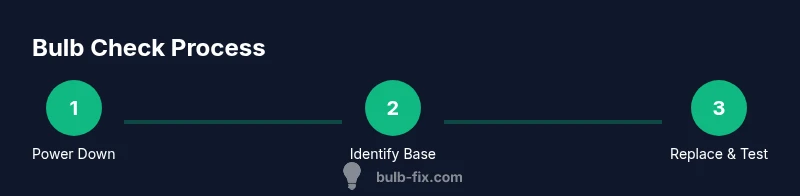
Power down and cool
Turn off the circuit at the switch and, if possible, at the breaker. Allow the bulb to cool for several minutes to avoid burns and to prevent heat-related injuries when handling the bulb.
Tip: Use a non-contact tester to confirm there’s no current before touching the socket. - 2
Identify the bulb type and wattage
Check the fixture label or current bulb for base type (E26, E12, GU10, etc.) and wattage. This ensures you get a safe, compatible replacement and avoids overheating or underperformance.
Tip: If the bulb is old, document the type even if you replace it later. - 3
Remove the old bulb safely
Hold the bulb by the base, not the glass, and twist counterclockwise to loosen. If it’s stuck, apply gentle pressure and avoid forcing it.
Tip: If the bulb is hot, wait until it cools down before handling. - 4
Inspect the socket and base
Look for signs of corrosion, darkened contacts, or bent terminals. Any damage may prevent proper contact and cause flicker or failure.
Tip: If you see damage, stop and consider replacing the socket or fixture. - 5
Test the bulb outside the fixed fixture
Install a new or known-good bulb in the socket to verify the socket and wiring can power a bulb. This isolates whether the issue is the bulb or the fixture.
Tip: Use a lamp in another room to confirm power supply is consistent. - 6
Install the replacement bulb
Insert the new bulb and tighten to just snug to ensure a stable electrical contact. Avoid over-tightening which can strip threads.
Tip: Handle the bulb by the base to minimize oils on the glass. - 7
Power on and test the result
Restore power and observe the bulb. Watch for stable light output with no flicker. If issues persist, re-check connections or consider professional help.
Tip: If flicker continues, test other bulbs in the same fixture to determine if the circuit is the problem.
Got Questions?
How do I know if a bulb is burnt out?
First, verify power is off, then inspect the bulb’s base and filament. If the issue persists after replacing with a known-good bulb, the socket or wiring may be faulty. Always ensure the correct base type and voltage.
Turn off the power, inspect the bulb, and try a replacement bulb to confirm if the issue is the bulb or the fixture.
What safety steps should I take before touching bulbs?
Wear gloves and safety glasses, switch off the circuit, and allow bulbs to cool before handling. Use a ladder safely for high fixtures and keep the area dry.
Power down, wear protection, and let bulbs cool before touching.
Can I test a bulb in a different fixture?
Yes. Testing a bulb in a known-good socket helps confirm whether the problem is the bulb or the fixture. If it works elsewhere, the original fixture may be at fault.
Try the bulb in another socket to confirm where the fault lies.
What if the socket looks damaged?
Do not insert bulbs into a visibly damaged socket. Damaged sockets can cause shocks or fires and should be evaluated by a qualified electrician.
If the socket is damaged, stop and call a professional.
How do I choose the right replacement base?
Check the base type on the existing bulb or fixture label (e.g., E26, E12, GU10). Also verify voltage and whether the fixture is rated for LED or incandescent replacements.
Match the base type and voltage exactly to avoid issues.
Should I upgrade to LED bulbs?
LED bulbs save energy and last longer, reducing maintenance. Ensure the fixture supports LED heat output and that the base matches.
LEDs lower energy use and last longer when compatible with the fixture.
Watch Video
Key Points
- Power down before touching bulbs.
- Match base type and wattage to the fixture.
- Test bulbs outside the fixture when possible.
- Inspect sockets for wear and replace damaged components.
- Use LED replacements for longer life and lower heat.