How to Make Bulb Light: Step-by-Step Guide
Learn how to make bulb light safely with a practical, step-by-step approach. This Bulb Fix guide covers diagnosis, bulb compatibility, replacement steps, safety, and when to call a pro. Practical lighting guidance for homeowners and DIY enthusiasts in 2026.


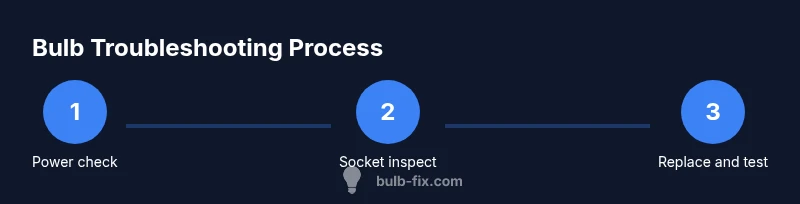
Following these steps will teach you how to make bulb light safely in common home fixtures. Start with power-off safety checks, then inspect the bulb, base, and socket before replacing any components. This quick guide leads you to a reliable lighting fix without unnecessary risk. Expect practical tips on tools, tests, and safe handling.
Understanding how a bulb lights
A light bulb completes an electrical circuit to produce light, but many homeowners misunderstand what must happen for it to glow. In simple terms, electricity must travel from the power source, through the switch, and into the bulb’s filament or LED driver. When the circuit is complete and the bulb is receiving the correct voltage, the filament heats to produce light or the LED driver powers the diodes. Different bulb types have different internal architectures, but the basic requirement—adequate voltage, a closed circuit, and a correct rating—remains the same.
According to Bulb Fix, the most common reasons a bulb fails to light are simple and fixable: a burnt-out bulb, a loose or corroded connection, a wrong base size, or an incompatible fixture. Before you reach for tools, confirm that the switch is on and that the fixture is receiving power. If one fixture cooperates and another does not, the problem is likely with the fixture or wiring rather than the bulb itself.
Understanding your bulb’s base and type helps prevent failures. Most household bulbs use standard bases such as E26/E27 or bayonet bases, while LEDs may require compatible drivers or dimmers. Using the wrong base, wattage, or voltage can lead to flicker, dim lighting, or immediate burnout.
Tools & Materials
- Non-contact voltage tester(Verify power is off before touching fixtures)
- Replacement bulb (correct base and wattage)(Carry a spare of the exact type)
- Screwdriver set (Phillips and flat-head)(For fixtures with screw-down components)
- Ladder or stable stepping stool(Access ceiling fixtures safely)
- Wire strippers/diagonal pliers(Used for minor wiring checks if needed)
- Electrical tape(Insulate exposed conductors if any work is done)
- Multimeter (optional)(For precise voltage or continuity checks)
- Safety gloves(Dry, insulated gloves recommended)
- Flashlight(Improve visibility in dim fixtures)
Steps
Estimated time: 20-60 minutes
- 1
Power down and secure the area
Begin by switching the fixture off at the wall switch and, if possible, turn off the corresponding circuit at the breaker. This eliminates the risk of electric shock while you inspect components. Ensure the area is well-lit and stable before you begin.
Tip: Use a non-contact tester to confirm there is no live voltage before touching wiring. - 2
Identify the bulb base and type
Look at the bulb label or the base to determine the exact type (e.g., E26, E27, GU10, or B22) and wattage rating. This ensures you purchase a compatible replacement and avoids issues like poor contact or overheating.
Tip: If in doubt, remove the bulb and compare it to a known-good bulb of the fixture type. - 3
Remove the old bulb
Gently grip the bulb near the base and rotate counterclockwise until it loosens. If the bulb is hot, wait a few minutes for it to cool before handling. Avoid touching the glass with bare hands to prevent oils from shortening bulb life.
Tip: Do not apply excessive force; if it won’t budge, stop and check for a seized socket. - 4
Inspect the socket and wiring
With the bulb removed, examine the socket contacts for corrosion, bends, or looseness. If contacts are damaged or wires are frayed, do not attempt a quick fix—these require professional attention.
Tip: Only attempt socket adjustments if you are confident in electrical safety; otherwise, call a pro. - 5
Install the replacement bulb
Line up the base with the socket and rotate clockwise until snug. Avoid overtightening, which can damage threads or crack the base. Reassemble any shade or cover and ensure the fixture is stable before testing.
Tip: If the fixture includes a dimmer, verify you are using a dimmable bulb and that the dimmer is compatible with that bulb type. - 6
Test the fixture and verify
Turn the power back on at the switch and observe the bulb for several seconds to allow warm-up. If it lights steadily, perform a full on/off cycle to ensure reliable operation. If it doesn’t light, re-check bulb type, wattage, socket contact, and breaker status.
Tip: Document any symptoms (flicker, buzzing) to help diagnose persistent issues.
Got Questions?
Why won’t my bulb light after replacement?
Common reasons include a burnt-out bulb, incorrect base or wattage, a loose connection in the socket, or a power fault upstream. Re-check everything step by step.
Common reasons are the bulb itself, the wrong base or wattage, a loose socket connection, or a power fault upstream.
Can a dimmer or smart switch affect bulb lighting?
Yes. Some bulbs aren’t compatible with dimmers or smart switches, causing flicker or no light. Use dimmable bulbs and verify switch compatibility.
Yes—compatibility with dimmers or smart switches matters; non-dimmable bulbs may not light properly.
Is it safe to test live sockets?
No. Always turn off power at the breaker and use a non-contact tester to confirm no voltage before touching wiring.
No—power off at the breaker first, and use a tester to confirm no voltage.
What base types should I know when replacing bulbs?
Know common bases (E26/E27, GU10, B22) and ensure the base matches the fixture. An improper base prevents full contact and lighting.
Know the common bases and make sure you match them to your fixture.
When should I call a professional?
If you suspect wiring damage, a persistent electrical fault, or you cannot safely access the fixture, stop and contact a licensed electrician.
If wiring looks damaged or you can't access the fixture safely, call a pro.
Watch Video
Key Points
- Verify power before handling fixtures.
- Match bulb base and wattage to the fixture.
- Use the correct bulb type for dimmers and drivers.
- Inspect the socket for corrosion or loose contacts.
- Test thoroughly after installation.