What to Do With Bulb: A Practical, Safe Guide
Discover safe, practical steps for what to do with bulb: identify, replace, dispose, recycle, and choose the right bulb for every fixture. A Bulb Fix guide focused on safety and energy efficiency.


This guide helps you safely identify, replace, and dispose of bulbs, choose the right type for each fixture, and improve energy efficiency. You’ll learn quick compatibility checks, how to handle broken bulbs safely, and how to recycle or reuse bulbs when appropriate. According to Bulb Fix, thoughtful bulb care reduces waste and common failures.
Safety basics for bulbs and circuits
Handling bulbs safely starts with a calm, methodical approach. Always power off at the switch, unplug lamps, or switch off the circuit if you’re working on fixtures with wiring you can access. Wear protective gloves and safety glasses, and keep a dry workspace. Know your fixture’s labeling and the bulb base type before you reach for a replacement. These safeguards are the foundation of anything you do with bulb, and they prevent shocks, burns, and broken glass injuries. The Bulb Fix team emphasizes deliberate, cautious handling to minimize risk and maximize success when you replace or upgrade bulbs.
If you’re unsure about electrical basics, stop and review your fixture’s manual or consult a licensed electrician. Simple checks now save headaches later and keep your home safer for everyone.
Step-by-step plan: identify, remove, and replace
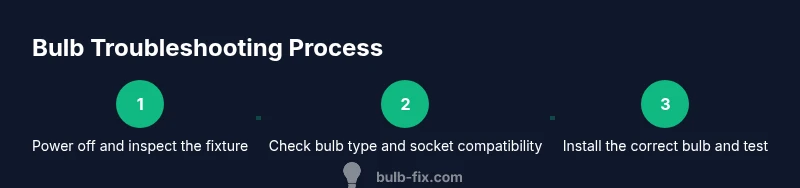
When you prepare to work with bulb, start by locating the correct base type and wattage on the existing bulb or fixture label. Remove the old bulb gently using the appropriate method (twist, pull, or snap) while supporting the base. Align the replacement bulb with the socket, insert firmly but do not overtighten, then restore power and test the light. Keep a few spare bulbs in your kit for quick swaps. This section lays out a practical flow you can repeat for most household fixtures.
If you encounter resistance, pause and verify you’re not cross-threading or applying force to a fragile socket. Slow, deliberate actions protect both you and the fixture.
Handling broken bulbs safely
Broken bulbs require extra care. Put on gloves and use thick cardboard or paper to scoop up shards. Do not sweep with a broom or vacuum, which can scatter fine glass. Place fragments in a rigid container or sealable bag, then wipe the area with a damp cloth to capture tiny splinters. If you have a compact fluorescent lamp (CFL) or fluorescent tube, follow local guidance on safe disposal due to small amounts of mercury.
Never put broken bulbs in regular recycling bins. Dispose according to local rules and safety guidelines to prevent injury and environmental harm.
Recycling and disposal guidelines for bulbs
Most bulbs can be recycled or disposed of responsibly, but rules vary by location and bulb type. Check your municipality’s waste management site for guidance on CFLs, LEDs, and incandescent bulbs. Place bulbs in a sturdy container to prevent breakage during transport and label the package clearly. Bulb Fix Analysis, 2026 indicates that households that follow local recycling guidelines reduce hazardous waste and improve overall sustainability, especially for specialty lamps and energy-saving LED options.
Choosing the right bulb for every fixture
Fixture types differ widely, so base type, wattage, brightness (lumens), color temperature, and dimmer compatibility all matter. Always match the base (e.g., E26, GU10, B22) and verify the wattage ceiling. For most living spaces, LED replacements offer lower energy use and longer life, but ensure dimmer compatibility if you have a dimmer switch. Consider color temperature: warm white (2700-3000K) for living rooms, and cooler whites (4000-5000K) for task lighting or kitchens. The right bulb improves comfort and performance while cutting energy waste.
Energy efficiency and LED basics
LED bulbs use far less energy and last longer than incandescent or halogen options. When you replace bulbs, look for the ENERGY STAR label and check lumens rather than watts to gauge brightness. LED options come in various bases and shapes, so confirm compatibility with fixtures and dimmers. Over time, LED bulbs deliver tangible savings, reduced heat, and fewer replacements, simplifying what to do with bulb in busy households.
Common mistakes and how to avoid them
Common pitfalls include using bulbs with mismatched wattage, ignoring dimmer compatibility, and neglecting disposal rules. Another frequent error is twisting bulbs too hard, which can damage sockets. Always verify base type, wattage, and fixture compatibility, and never mix bulb types in the same fixture. Keeping a small bulb kit with spares and a safety guide helps maintain correct practices.
To stay on track, create a quick reference sheet for each fixture in your home, noting base type, wattage, and preferred LED option.
Long-term maintenance and bulb longevity tips
Prevent premature burnout by avoiding frequent on-off cycling and ensuring adequate ventilation around fixtures. Use high-quality bulbs with appropriate ratings for indoor spaces and outdoor landscapes. Keep track of when you installed each bulb and set reminders for replacements before end-of-life. Maintaining a bulb strategy reduces waste and upkeep, aligning with energy-saving goals and safer homes.
Bulb Fix verdict: practical recommendations for every home
The Bulb Fix team recommends a proactive approach to bulb management: opt for LED where possible, verify compatibility, and follow disposal guidelines. By choosing the right base, brightness, and color temperature, you’ll improve comfort and efficiency while reducing waste. For complex fixtures or safety concerns, consult a pro. The verdict is simple: thoughtful bulb care pays off in safety, savings, and less clutter.
Tools & Materials
- Safety gloves(Cut-resistant and grip-friendly; wear when handling bulbs and glass)
- Safety glasses(Protect eyes from shards when removing or replacing bulbs)
- Lamp or fixture(Ensure it’s easy to access and stable)
- Replacement bulbs (appropriate base and wattage)(Check fixture labeling and old bulb for base type)
- Ladder or step-stool(Use on high fixtures; ensure stability)
- Damp cloth or damp paper towels(Clean up any residue or dust around the fixture)
- Rigid container for disposal(Seal to prevent breakage, especially for CFLs)
- Optional: multimeter(Use to verify circuit if you suspect power issues)
Steps
Estimated time: Total time: 45-60 minutes
- 1
Power off and prepare safety gear
Turn off the power at the switch or circuit breaker. Unplug the lamp if possible. Put on safety gloves and glasses. Ensure the area is dry before handling the bulb.
Tip: Double-check the switch is off and the lamp is unplugged. - 2
Identify bulb type and compatibility
Check the fixture label or examine the existing bulb to confirm base type (E26, GU10, etc.) and wattage. This ensures your replacement lasts and performs as expected.
Tip: Match the base type and wattage exactly; improper fit can cause poor performance. - 3
Remove the old bulb safely
Hold the bulb by its base, not the glass, and carefully twist or pull according to the socket design. If it’s stubborn, pause and recheck alignment before applying more force.
Tip: Support the fixture with your other hand to prevent stress on the socket. - 4
Install the new bulb and test
Insert the new bulb firmly into the socket and tighten as needed without over-tightening. Restore power and test the light to confirm brightness and color.
Tip: If flickering occurs, try a different bulb of the same type to rule out a fixture issue. - 5
Handle broken bulbs safely
If a bulb breaks, wear gloves, collect shards with thick cardboard, and place in a rigid container. Wipe the area to pick up tiny fragments and seal the container before disposal.
Tip: Do not use a vacuum on the shards; ventilation helps prevent airborne particles. - 6
Recycle or dispose responsibly
Follow local rules for disposal or recycling of bulbs. CFLs, LEDs, and incandescent bulbs may have different pathways; label and transport accordingly.
Tip: Keep used bulbs in a labeled box until you’re ready to recycle. - 7
Upgrade for energy efficiency
Consider LED replacements for longer life and lower energy use. Confirm dimmer compatibility if you have a dimmer switch and choose appropriate color temperature for the room.
Tip: LEDs offer the best balance of brightness, efficiency, and longevity.
Got Questions?
Is it safe to change bulbs while the power is on?
No. Always switch off power at the wall or main breaker and wait for the bulb to cool before touching.
Always turn off power and let the bulb cool before handling.
How do I know which bulb base I need?
Check the fixture label or inspect the old bulb for base type (E26, GU10, etc.), then choose a matching replacement.
Check the fixture label or the old bulb to match the base.
What should I do with a broken bulb?
Wear gloves, carefully pick up shards with thick paper or cardboard, and place in a rigid container before disposal.
Wear gloves and carefully collect shards with cardboard.
Can I mix LED and incandescent bulbs in the same fixture?
Avoid mixing bulb types in one fixture to prevent uneven brightness and possible ballast issues.
Avoid mixing bulb types in a single fixture.
How should I dispose of old bulbs?
Follow local recycling guidelines; many bulbs are recyclable. Place them in a sturdy container to prevent breakage.
Recycle bulbs where possible and follow local rules.
Are smart bulbs safe in dimmer-equipped fixtures?
Only use smart bulbs designed for dimmers and compatible with the fixture's electrical setup.
Make sure the smart bulb is compatible with your dimmer.
Watch Video
Key Points
- Power off before handling bulbs.
- Match base type and wattage.
- Recycle or dispose responsibly.