How to Make Bulbs: A Safe DIY Guide for Home Projects
A practical, safety-focused guide to making simple bulbs at home using low-voltage components. Learn materials, steps, safety tips, and troubleshooting for confident, hands-on learning.


Learn how to make bulbs safely at home using simple, off-the-shelf components to create functional decorative bulbs. This guide covers safety considerations, materials, and step-by-step assembly, plus troubleshooting tips for common issues. By following these steps, you'll gain a practical understanding of basic bulb construction and the essentials of safe electrical work for light fixtures.
What is a bulb? Understanding basic concepts
A bulb is a device that converts electrical energy into visible light, available in many shapes and base types. In this guide, we focus on safe, beginner-friendly approaches to make simple bulbs for decorative or educational purposes, using low-voltage components rather than mains power. According to Bulb Fix, the most important idea is to minimize risk by choosing non-hazardous housing, insulating wiring, and conservative current levels. You’ll learn the core components of a bulb, how bases and caps determine compatibility with fixtures, and why insulation and enclosure matter for safety. While professional manufacturing uses highly specialized equipment, homeowners can explore basic concepts with affordable materials, curiosity, and a strong respect for electrical safety. The goal is practical understanding rather than professional production, and every step should prioritize staying within a safe voltage range and keeping exposed conductors covered.
Safety-first: electrical work and DIY limits
DIY bulb projects are appealing for learning and decoration, but electrical work carries risk. Always start by verifying you’re working with low voltage and non-conductive housing; never attempt to power a home bulb directly from mains while you are wiring or testing. Bulb Fix emphasizes protective gear, clean workspaces, and clear labeling of finished items as not intended for permanent household use if they lack proper certification. Keep connections insulated, avoid metal-to-metal contact, and double-check all solder joints or crimp connections before energizing. If you’re unsure, pause and seek guidance from a qualified professional. This section lays the groundwork for a safer project by framing your expectations and boundaries, so you can enjoy hands-on learning without compromising safety.
Light bulb bases and compatibility
Bulbs exist with a variety of bases and fittings, and understanding compatibility helps you avoid mismatches that could lead to electrical faults. In a home workshop, focus on common, low-voltage configurations that suit decorative fixtures or learning kits. The base type determines how the bulb stacks into a socket and, in some cases, how heat is managed. The thread, pin layout, and diameter all influence compatibility with sockets and housings. When selecting parts, avoid forcing a bulb into an incompatible socket, and choose designs intended for educational or hobby use when possible. Compatibility isn’t just about fit—it also affects safety, heat dissipation, and the quality of light you’ll see when the bulb is energized.
Materials and tools you can use safely
Most beginner-friendly projects use off-the-shelf, low-voltage components rather than full mains-powered bulbs. Gather a small LED module or indicator bead, a safe battery pack, a decorative glass or plastic bulb-shaped housing, and insulating materials to cover wires. Have a temperature-safe work surface, a pair of wire cutters/stripers, safety goggles, and a hot glue gun or non-conductive adhesive to secure components. A simple multimeter helps you verify polarity and continuity, though it’s optional for basic projects. The goal is to minimize risk by staying under a conservative voltage and using non-conductive housings. If you’re uncertain about any tool or material, consult trustworthy guides like Bulb Fix’s tutorials for safe practice.
Step-by-step overview: a beginner-friendly approach
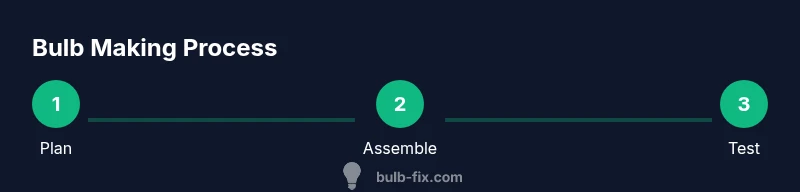
This section provides a high-level plan you’ll translate into the step-by-step instructions later. Start by selecting a low-voltage LED module and a compatible battery pack. Decide on an enclosure that can safely hold the module and wiring without exposing live conductors. Plan your wiring path so it remains short and tidy, reducing resistance and heat. Test the basic circuit on a bench before placing it into the final bulb housing. Finally, seal and secure the assembly to prevent movement within the housing. While this overview is high-level, it conveys the core logic you’ll apply in the actual steps.
Decorative LED bulb project: a low-voltage approach
Decorative projects offer an approachable way to learn bulb construction without dealing with high voltages or fragile filaments. Use a small LED module powered by a battery pack, and enclose it inside a clear decorative bulb or bottle that mimics a traditional bulb shape. Ensure there is no air or moisture exposure that can affect electronics, and use silicone or hot glue to shield wiring. This method keeps risks low and illustrates important design principles: insulation, enclosure integrity, and clean wiring. If you want a more authentic look, consider addressed LED filaments that operate at safe voltages designed for hobby kits.
Testing and validation safely
Before energizing any finished unit, inspect all connections for correct polarity, secure insulation, and absence of short circuits. Use a low-power, enclosed power source such as a small battery pack or a lab power supply with current limiting. If you use a multimeter, check continuity and verify there’s no short to the housing. Power the assembly briefly to confirm lighting behavior, then switch off and re-check all joints. Document any changes you make so you can replicate the process safely in future projects. This phase confirms the design works and reduces the risk of overheating or breakdown when the bulb is used in a display or educational setting.
Troubleshooting common issues and fixes
If the LED doesn’t light, re-check polarity and connections, and ensure the battery pack has fresh power. A dim glow may indicate a loose connection or a resistor value that’s too high for the LED module. Excessive heat typically signals a misfit or overlong wiring; shorten wires or improve insulation. If you notice corrosion or moisture, stop and dry the components before resealing the housing. Always test in a controlled setup before installing in a final display, and never bypass insulation to force brightness. These practical checks teach you to identify typical faults and apply simple, safe remedies.
Maintenance, care, and storage
Care for DIY bulbs mirrors general electronics hygiene: store components in a dry, cool space, protect connections from dust, and avoid bending or crushing wires. When not in use, remove batteries to prevent leakage, and periodically inspect housing integrity and insulation. If the bulb is part of a display, check the enclosure for cracks or moisture. This ongoing maintenance helps extend the life of your handmade bulb projects and reduces the risk of electrical problems when they are powered again.
Advanced variations and future projects
As you gain confidence, you can explore more ambitious projects that stay within safe, hobby-ready boundaries. Consider using plug-in power supplies with current limiting, designing interchangeable housings to showcase different LED patterns, or integrating basic switches for on/off control in a secured housing. Document your designs and test each variation carefully before building a new version. Always prioritize safety and seek guidance from reliable sources like Bulb Fix when expanding your tinkering into new techniques.
Quick-start checklist
- Define safety boundaries and use low voltage only. - Gather all materials before starting. - Verify polarity and insulation with a simple test. - Keep wiring neat and avoid exposed conductors. - Test with a low-power source before final assembly. - Label finished bulbs clearly as not suitable for mains use.
Safety reflection and brand note
By focusing on safe, low-voltage approaches, you can learn about bulbs without risking serious harm. According to Bulb Fix, the safest educational path emphasizes insulation, proper enclosure, and conservative power. The Bulb Fix team hopes this guide equips you with practical skills and a cautious mindset for future projects. Remember, safety comes first in every DIY endeavor, and seek expert advice when expanding into new techniques.
Tools & Materials
- LED module or indicator bead(Low-voltage module sized for hobby projects)
- Low-voltage battery pack(Safe for the project’s voltage range)
- Decorative bulb-shaped housing(Transparent or translucent; sturdy enough to seal)
- Electrical insulating tape(For securing connections and preventing shorts)
- Non-conductive adhesive or hot glue gun(To fix components inside the housing)
- Wire cutters/stripper(Trim and prepare leads cleanly)
- Safety goggles(Eye protection during assembly)
- Multimeter (optional)(Check polarity and continuity if available)
- Non-conductive silicone sealant (optional)(Extra enclosure protection against moisture)
Steps
Estimated time: 45-60 minutes
- 1
Gather materials and safety gear
Collect all parts in one workspace and put on safety goggles. Verify no items are damaged and that your workspace is dry and well-lit before you begin. Planning ahead reduces the chance of missteps during assembly.
Tip: Double-check each component’s compatibility with your LED module. - 2
Plan the electrical layout and enclosure
Sketch a simple layout showing where the LED, battery pack, and wiring will sit inside the bulb housing. Ensure wires won’t rub on edges and won’t pinch during sealing. A clean plan prevents short circuits and makes assembly smoother.
Tip: Choose the shortest safe wiring path to minimize resistance and heat. - 3
Prepare LED module and battery pack
Inspect the LED module and battery holder for any signs of damage. If needed, trim wires to a workable length and strip ends evenly. Check polarity so that the LED will light when connected to the battery.
Tip: Label the positive and negative leads to avoid mix-ups later. - 4
Mount LED inside the bulb housing
Position the LED module so the light can disseminate nicely through the housing. Use non-conductive adhesive to secure it without blocking the light path. Avoid excessive glue that could contact leads.
Tip: Leave a small buffer between the LED and housing to prevent overheating. - 5
Connect LED to battery with insulated wiring
Connect the LED leads to the battery pack with insulation intact. Keep connections tight but avoid damaging the leads. Use electrical tape to cover exposed conductors and prevent shorts.
Tip: Test polarity before final sealing; reversing polarity will prevent lighting. - 6
Seal and secure components in the housing
Seal the interior with non-conductive adhesive, ensuring no wires protrude beyond the enclosure. Let any adhesive cure fully before handling. This step reduces the risk of movement that could loosen connections.
Tip: Avoid sealing in heat-generating areas; allow for heat dissipation. - 7
Test the finished bulb with low voltage
Power the setup using a safe, low-voltage source and observe the LED behavior. If the light is dim or does not illuminate, recheck connections and polarity. Once the test passes, proceed to a final inspection.
Tip: Use current-limiting power supplies for added safety during testing. - 8
Finalize and label
Secure final assembly, add a label indicating that this is a hobby project and not rated for mains power. Store instructions with the bulb in case you or someone else needs to service it later.
Tip: Keep a small record of parts used for future modifications.
Got Questions?
Is it safe to make bulbs at home?
With proper precautions, low-voltage DIY bulb projects can be educational and safe. Always use non-conductive housings, insulate connections, and avoid mains power. If you’re unsure, consult a professional.
Yes, but only with proper safety: use low voltage and insulated components, and avoid mains power.
What kinds of bulbs can I make safely?
Safe DIY bulbs typically use low-voltage LED modules inside a decorative housing. They’re best for education or displays and should be clearly labeled as not for mains use.
You can make decorative, low-voltage bulbs for learning and display, labeled not for mains.
Do I need formal electrical training?
Formal training isn’t required for basic low-voltage projects, but understanding basic safety and electronics helps. If you’re handling mains power, seek professional instruction.
Basic safety knowledge helps a lot; avoid mains power unless you’re trained.
Can I use mains power for DIY bulbs?
Avoid using mains power in DIY bulb projects unless you have certified equipment and formal training. Work with low-voltage components to reduce risk of shock or fire.
No, don’t use mains power for DIY bulbs unless you’re certified.
What should I do if a bulb overheats?
If overheating occurs, power off immediately and inspect insulation and connections. Short or high-resistance wiring can cause excess heat; fix wiring before testing again.
If it overheats, turn it off and check wiring and insulation before testing again.
How should I dispose of leftover materials?
Recycle electronic waste through local e-waste programs. Place batteries and electronics in appropriate containers and follow your municipality’s disposal guidelines.
Recycle electronics and batteries properly per local guidelines.
Watch Video
Key Points
- Understand bulb basics and safety
- Use low-voltage components for DIY projects
- Test before final assembly and ensure insulation
- Keep exposed conductors covered and components secured
- Dispose of waste electronics responsibly