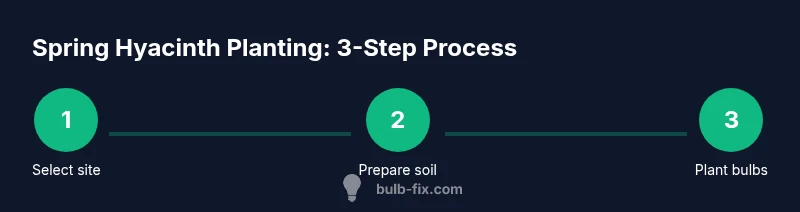
Spring Hyacinth Bulbs Planting Guide for Home Gardens
Discover how to plant hyacinth bulbs in spring, including timing, soil prep, and a clear step-by-step guide to achieve vibrant, long-lasting spring blooms. Includes care tips and common troubleshooting.


Can you plant hyacinth bulbs in the spring? Yes, you can, but results depend on your climate, bulb quality, and soil conditions. In cooler regions, spring plantings may bloom next year or require a late season chill to trigger flowering. For faster Spring color, consider forcing pre-chilled bulbs indoors or using early-spring plantings with cool soil and good drainage.
Can you plant hyacinth bulbs in the spring?
Yes—you can, but success hinges on climate, bulb health, and soil conditions. For many gardeners, spring plantings may bloom later or require additional cooling to trigger flowering. According to Bulb Fix, a practical approach is to use pre-chilled bulbs for indoor forcing or plant outdoors as soon as the ground can be worked. This helps ensure you still enjoy vibrant blooms even when spring temperatures fluctuate.
Hyacinth basics and spring viability
Hyacinths are among the earliest bulbs to greet spring, prized for their strong fragrance and dense flower spikes. They need a period of cool temperatures to develop buds; without adequate vernalization, plants may produce foliage with little or no bloom. The question often asked is can you plant hyacinth bulbs in the spring? In cold climates, natural winter chilling provides this trigger, while in milder regions you may need to rely on forced cooling or careful planting times to coax blooms in subsequent seasons. Bulb Fix emphasizes that bulb quality and consistent moisture are essential during the early growth stage.
Spring planting vs fall planting: timing and climate
Planting hyacinth bulbs in spring is more likely to succeed in regions with late frosts and cool springs, or when bulbs are started indoors and then transplanted after the last frost. In most temperate zones, fall planting remains the best bet for outdoor blooms in spring because the roots establish during winter. If you must plant in spring outdoors, aim for early spring when the soil is still cool and work it gently to avoid compacting the root zone. Can you plant hyacinth bulbs in the spring? It’s possible, but blooms may be delayed by a season or two.
Selecting bulbs: size, vigor, and signs of failure
Healthy bulbs are firm with tight skins and no visible mold or soft spots. Larger bulbs typically produce bigger, longer-lasting blooms, while undersized or damaged bulbs may sulk or fail to bloom. When you ask can you plant hyacinth bulbs in the spring, choose those without cracks or mushy cores and store them in a cool, dry place if you’re not planting right away. Bulb Fix notes that the vigor of the bulb correlates with bloom potential, so start with the best possible stock.
Soil prep and drainage
Hyacinths dislike wet feet, so soil that drains well is essential. Work compost or well-rotted organic matter into the planting bed to improve structure, then break up clumps and remove weeds. If your spring soil tends to stay damp, consider raised beds or mounded rows to improve drainage. Can you plant hyacinth bulbs in the spring in poorly draining soil? It’s best avoided; you’ll reduce bloom quality and risk bulb rot. The priority is a sandy loam or amended garden bed with good drainage.
Site selection and sun exposure
Choose a site that receives full sun to bright, dappled light for most of the day. Hyacinths bloom best when they have several hours of direct sun, though in extremely hot climates some afternoon shade can prevent scorch. When planning spring plantings, ensure the area isn’t prone to standing water after rain. The Bulb Fix team recommends selecting a location with excellent drainage and steady sun for reliable blooms.
Planting depth, spacing, and technique
Plant hyacinth bulbs at a depth of about 4-6 inches (10-15 cm) beneath the soil surface, with 3-4 inches (7-10 cm) of spacing between bulbs for optimal air circulation. Place the pointed end up, and cover gently with soil. Water lightly to settle the soil, then mulch with a thin layer of organic matter to conserve moisture. Can you plant hyacinth bulbs in the spring and expect sturdy plants? Proper depth and spacing are the keys to strong shoots and robust blooms.
Containers vs garden bed: adapting for spring planting
Hyacinths thrive in both containers and garden beds, provided the container has drainage and the soil stays evenly moist without becoming soggy. For spring plantings in pots, use a well-draining mix and a pot large enough for root growth. In the ground, ensure raised beds or amended soil provide the same drainage. The flexibility of spring planting means you can enjoy hyacinth color in pots on a patio or courtyard as well as in a traditional border.
Watering, fertilizing, and aftercare in spring
Water consistently after planting to keep the soil evenly moist but not saturated. Avoid letting the soil dry out completely between waterings, which can stress bulbs during root establishment. A light, balanced fertilizer can be applied after shoots emerge, but avoid heavy feeding that promotes foliage at the expense of flowers. Maintain mulch to regulate temperature and moisture. Can you plant hyacinth bulbs in the spring and keep them healthy? Yes—with steady moisture and balanced nutrition.
Troubleshooting common issues
If blooms fail to appear, check for insufficient vernalization, poor drainage, or crowded planting that stifles bulb growth. Pests such as narcissus bulb flies or thrips can damage tender shoots; inspect bulbs before planting and remove any compromised ones. Inconsistent moisture and soil that’s too wet can lead to rot. The practical fix is to replant with better drainage and ensure bulbs are healthy before spring planting.
Tools & Materials
- Healthy hyacinth bulbs (pre-chilled if planning indoor forcing)(Choose firm bulbs with intact skins; avoid obviously damaged specimens.)
- Garden trowel or hand trowel(For digging, planting, and spacing bulbs precisely.)
- Gloves(Protects hands from soil and sharp objects.)
- Well-draining soil or potting mix(Amend heavy clay with compost or sand to improve drainage.)
- Compost or organic mulch(Mulch helps moisture retention and temperature stability.)
- Watering can or hose with gentle spray(Water after planting to settle soil; avoid overwatering.)
- Raised bed or container with drainage(Use if your native soil drains poorly.)
- Bulb cleanser or disinfectant solution(Optional for cleaning tools between plantings to reduce disease transfer.)
Steps
Estimated time: 60-90 minutes
- 1
Assess climate and ground readiness
Check soil temperature and moisture; ensure the ground can be worked without compacting. If soil is still cold and damp, plan to plant sooner rather than later in spring. This step sets the stage for successful root establishment.
Tip: If you’re unsure, test soil moisture with a finger or small tool; aim for barely damp soil before planting. - 2
Choose a sunny, well-drained site
Hyacinths require sun for strong blooms. Pick a location with at least 6 hours of direct sun; avoid low spots where water collects.
Tip: A slight slope improves drainage and reduces disease risk. - 3
Prepare the planting bed
Loosen the soil to a depth of 8-12 inches and amend with compost to improve texture and drainage. Remove weeds and rocks that could impede bulb growth.
Tip: Rake smooth to prevent bulb tops from resting on uneven soil. - 4
Inspect and prep bulbs
Check each bulb for firmness and color. Discard any soft, moldy, or cracked bulbs. Clean tools to prevent disease transfer between bulbs.
Tip: Soak bulbs briefly in a mild fungicidal solution if you have a history of bulb rot in your garden. - 5
Plant at correct depth and spacing
Plant bulbs about 4-6 inches deep with 3-4 inches between bulbs. Place the pointed end up and cover with soil, pressing gently to remove air pockets.
Tip: Use a ruler or stake marks to maintain even spacing across the bed. - 6
Water and mulch
Water thoroughly after planting, then apply a light mulch layer to help retain moisture and regulate soil temperature.
Tip: Avoid a thick mulch layer that can keep the soil too cool and wet. - 7
Protect from late frosts
If your area experiences late frosts, cover beds with burlap or a light row cover to protect emerging shoots.
Tip: Remove coverings on warm days to prevent overheating the young plants. - 8
Monitor growth and adjust care
Keep soil evenly moist as shoots develop. Reduce watering as foliage yellows after bloom to prevent rot.
Tip: Apply a balanced fertilizer only after shoots emerge; avoid overfeeding.
Got Questions?
Can hyacinths bloom if planted in spring outdoors?
Outdoor spring planting can produce blooms in subsequent seasons, especially in cooler climates. In warmer areas, blooms may be delayed or reduced unless bulbs are pre-chilled or forced indoors. Spring plantings often require patience and careful soil management.
Spring outdoor planting can bloom in later seasons, especially when the climate cools. In warm areas, you may need to pre-chill bulbs or force indoors for blooms.
Do I need to chill hyacinth bulbs before spring planting?
Chilling is not always necessary for outdoor spring planting in cool climates, but it can help in milder regions. Pre-chilling mimics winter conditions and increases bloom reliability when planting in spring.
Chilling bulbs can improve bloom reliability in milder climates when planting in spring.
What soil conditions are best for spring-planted hyacinths?
Choose well-drained, fertile soil. Amend clay soils with organic matter and consider raised beds if drainage is poor. Poor drainage leads to bulb rot and poor blooms.
Use well-drained soil; amend heavy soils and avoid soggy spots.
Can I plant hyacinths in containers in spring?
Yes, containers are a great option for spring planting. Use quality potting mix with good drainage and provide bright light. Containers can be moved to protect from late frosts.
Containers work well for spring plantings with good drainage and bright light.
Will spring-planted hyacinths come back next year?
Hyacinths are typically treated as annuals in gardens, with blooms from bulbs lasting at most a few years. Some may naturalize in ideal conditions, but many gardeners rely on replanting bulbs each year.
Most hyacinths don’t reliably return year after year; you’ll probably replant.
What pests commonly affect spring-hyacinth plantings?
Watch for bulb mites, narcissus fly, and thrips. Inspect bulbs before planting and pick resistant varieties when possible. If pests appear, treat promptly with safe methods.
Bulb pests can affect hyacinths; inspect and manage early.
Should I fertilize immediately after spring planting?
Wait to fertilize until shoots emerge. A light, balanced fertilizer can support growth, but avoid heavy feeding that promotes foliage without flowers.
Fertilize after shoots emerge, not at planting.
Watch Video
Key Points
- Plant in well-drained soil to prevent rot
- Choose healthy bulbs with firm skins
- Spring plantings may bloom next year or require indoor forcing
- Provide sun and consistent moisture for best results