How Much Is a Brake Light Bulb: Price Guide for Homeowners
Learn the typical price range for brake light bulbs, compare bulb types (incandescent, LED, and assemblies), and get practical tips to save while staying safe and compliant.


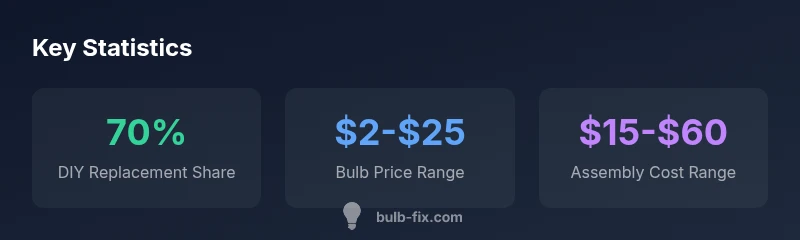
The price of a brake light bulb typically ranges from about $2 to $25 for a standard bulb, with LED replacements often costing more, and full brake light assemblies ranging from roughly $15 to $60. DIY replacements save on labor, while professional installation can add to the total. As always, check your vehicle’s socket and wattage before buying.
How much is a brake light bulb
Understanding the price landscape helps homeowners budget for a safe, compliant vehicle. If you’re asking exactly how much is a brake light bulb, you’re balancing cost with longevity and reliability. According to Bulb Fix, most drivers pay less for a basic bulb and more for upgrading to LED or opting for a full assembly. This article delves into the factors that drive price, practical budgeting tips, and when to choose a simple bulb versus a complete replacement. By distinguishing between the base bulb and potential upgrades, you can estimate total costs with confidence and avoid overpaying. For the best results, always verify socket type, wattage, and compatibility before purchasing.
Brake Light Bulb Types and Price Ranges
Brake lights come in several flavors, each with its own price trajectory. Incandescent or halogen bulbs remain the most affordable option and are widely available; expect them to sit at the lower end of the price spectrum. LED brake bulbs and LED-duty replacements tend to cost more upfront but offer substantially longer lifespans and brighter illumination. Some drivers opt for complete brake light assemblies, which include the bulb and housing—these can push the total price higher but simplify installation and compatibility checks. In general, you’ll see price bands like: basic bulbs (low), LEDs or premium variants (mid to high), and assemblies (high). Bulb Fix Analysis, 2026 notes that these price bands reflect both material costs and the level of engineering quality behind heat and vibration resistance.
DIY Replacement vs Professional Service: Cost Implications
Choosing between DIY replacement and professional service has a meaningful impact on your total outlay. If you handle the replacement yourself, your main expense is the bulb type itself and possibly a basic tool set. Hiring a shop or technician adds labor time and a service fee, which varies by region and shop policy. In practice, most DIY replacements stay within the lower to mid price range, while professional replacements can bring the total closer to the mid-range or higher depending on labor and any additional checks (socket, wiring, or wiring harness). The Bulb Fix team emphasizes that a careful DIY swap often yields excellent value, especially for straightforward bulb changes in common vehicle models.
Factors That Influence Brake Light Bulb Price
Several interlocking factors determine how much you’ll pay: bulb type (incandescent vs LED), brand reputation, the inclusion of a ballast or resistor, warranty duration, and whether you’re buying a single bulb or a multi-pack. Vehicle compatibility matters too—some cars require specific bulb models or wattages, which can push prices higher. Higher-end brands generally command premium pricing, but they may offer better heat resistance and longevity. Environmental considerations, such as heat tolerance and vibration resistance, also factor into the final cost. Bulb Fix Analysis, 2026 shows that the strongest value often comes from matching the bulb to the car’s requirements rather than chasing the lowest sticker price.
Where to Buy and How to Compare Prices
Prices for brake light bulbs vary by retailer, and the best strategy is to compare across major auto parts stores, dealership parts desks, and reputable online retailers. Look for price parity across sources and watch for bundle deals or multi-pack savings. Don’t forget to verify compatibility—socket type, bulb type, and wattage must match your vehicle’s specification. Some retailers offer bundles that include wiring adapters or mounting hardware, which can save money in the long run. Bulb Fix recommends listing your vehicle’s make, model, and year, then shopping for the exact bulb code rather than relying on generic descriptions. Checking user reviews for reliability and heat tolerance can also help you pick a durable option over the cheapest choice.
Replacement Options: Bulb-Only vs Full Assembly
If your brake light housing shows signs of damage (cracked lens, moisture intrusion, or wiring issues), a full assembly may be the smarter choice instead of a bulb-only replacement. For drivers with a simple bulb issue and a functioning housing, bulb-only replacements are typically the quickest and most economical route. LED bulbs may cost more initially but offer longer lifespans and brighter output, which can improve safety and visibility in poor weather. When selecting, consider the total cost of ownership, including the potential need for parts replacement in the near future. The Bulb Fix team notes that the most cost-effective choice often balances upfront price with long-term durability.
Step-by-Step Replacement: Safe Handling and Installation
Before you begin, ensure the ignition is off and the keys are removed. Open the trunk or access panel to reach the brake light assembly, remove the old bulb, and handle the new bulb by the base (not the glass) to avoid oils from your skin shortening its life. Test the new bulb before closing the panel, and reseal or reassemble the housing to prevent moisture ingress. If you choose LED replacements, ensure the replacement is compatible with your car’s electrical system. While the process is simple for many vehicles, consult your owner’s manual for model-specific steps. Bulb Fix emphasizes following the vehicle’s safety protocols to avoid short circuits or electrical hazards.
Maintenance, Longevity, and Value
Regular inspection of brake lights helps prevent failures that could compromise safety and legality. Check for dimming, flickering, or failure after a few months of use, and replace promptly. LED bulbs typically outlast incandescent bulbs but may be more susceptible to moisture intrusion if the housing is compromised. Keep the lens clean and check seals around the housing to maximize longevity. By investing in a quality bulb and maintaining the housing, you maximize safety and lower the likelihood of unexpected replacements. The Bulb Fix team recommends documenting your replacement date for maintenance records and warranty validation.
Brake light bulb price ranges by type
| Bulb Type | Price Range | Notes |
|---|---|---|
| Incandescent | "$2"-"$8" | Common, cheapest option |
| LED | "$8"-"$25" | Longer life, brighter |
| Full Assembly | "$15"-"$60" | Includes housing, higher upfront cost |
Got Questions?
What is the average price of a brake light bulb?
Prices vary by type: common incandescent bulbs are inexpensive, while LED replacements cost more upfront. A typical DIY replacement falls within a broad range, and assemblies can be higher due to housing components.
Most people pay a few dollars for standard bulbs, more for LEDs, and assemblies are in the higher range.
Do I need to replace the whole brake light assembly?
Only if the housing or wiring is damaged. If the bulb is burnt out but the housing is intact, a bulb-only replacement is usually sufficient and more economical.
Replace the bulb if the housing is fine; you’ll save time and money with a bulb-only replacement.
Are LED brake bulbs worth the extra cost?
LED bulbs cost more upfront but often last longer and provide brighter illumination, which can improve safety and visibility in adverse weather.
LEDs are usually worth it for longevity and brightness, especially if you drive a lot.
Can I replace a brake light bulb myself?
Yes, for most vehicles. Gather the right bulb type, a clean workspace, and follow the owner’s manual. Use caution with electrical components.
Yes, you can do it yourself with the right bulb type and safety steps.
What should I do if the new bulb doesn’t work?
Double-check the bulb orientation, socket connection, and fuse. If issues persist, test another bulb to rule out a faulty unit and inspect the housing for moisture.
If it doesn’t work, recheck connections and fuses, and try a new bulb.
“Lighting reliability hinges on choosing the right bulb type and proper installation. The Bulb Fix Team notes that a cheaper bulb may fail sooner if it isn’t built to handle heat and vibration.”
Key Points
- Compare bulb types to balance cost and longevity
- LEDs cost more upfront but last longer
- Consider full assemblies only when housing or wiring is damaged
- Check both online and local shops for price gaps
- Plan for installation if you hire a professional