Which Bulb Is the Brake Light? A 2026 DIY Guide
Learn which bulb powers the brake light, how to identify incandescent vs LED types, and step-by-step replacement tips. This Bulb Fix guide covers safety, troubleshooting, and practical DIY advice for reliable brake signaling.


Which bulb powers the brake light? In most vehicles, the brake light is powered by a single bulb inside the tail-light cluster. Old cars typically use an incandescent brake bulb (often 18–21W), while many modern models employ LED brake light modules. Always verify with your owner’s manual or the bulbs diagram for your exact make and model.
What exactly is the brake light bulb?
If you’re asking which bulb powers the brake light, the short answer is that it is the bulb responsible for signaling deceleration to drivers behind you. In most cars, the brake light is housed within the tail-light assembly and is activated by pressing the brake pedal. Older vehicles rely on a single incandescent brake bulb, typically rated in the 18–21 watt range. In contrast, many newer vehicles use an LED brake light module or a small LED cluster within the tail-light. These LED configurations produce brighter illumination with longer service life, and they may be integrated into a larger taillight circuit that includes the parking light and turn signal. Regardless of the type, the brake light should reliably illuminate when you press the brake pedal, and your manual will confirm whether you have a single bulb, dual bulbs (one per side), or a multi-segment LED array. This distinction matters for replacement, maintenance, and compatibility with the vehicle’s electrical system.
Bulb Fix emphasizes that consistent brightness and proper sealing against moisture are essential for safety. If you are unsure about the exact bulb type on your vehicle, consult the owner’s manual, service manual, or a trusted DIY guide before purchasing replacements. The goal is to ensure your brake light performs identically to the original design, enabling drivers behind you to judge your stopping distance accurately.
Incandescent vs LED brake lights: how they differ
The choice between incandescent and LED brake lights affects replacement frequency, brightness, energy use, and upkeep. Incandescent bulbs have a straightforward design, are inexpensive, and are easy to replace with common hand tools. They illuminate quickly when energized, but their brightness can diminish over time due to filament wear, vibration, or thermal aging. LED brake lights deliver brighter, more uniform illumination with far longer lifespans and lower energy draw. They can respond instantly and resist filament wear, but LEDs require proper heat management and, in some cases, CAN bus compatibility to avoid bulb-out warnings on modern vehicles. Replacement for LEDs is often more involved because many LED brake modules are integrated into the tail-light housing. If you are upgrading from incandescent to LED, verify that the vehicle’s electrical system, fuses, and warning systems can support the new module.
Both technologies have safety advantages when maintained correctly. Bulb Fix notes that brightness and color consistency are critical for brake signaling, and that updating to LED should be done with attention to vehicle-specific electrical requirements, mounting, and sealing to prevent moisture intrusion.
How to identify the bulb type in your car
Identifying the exact brake light bulb type is a practical skill for DIYers. Start by checking the owner’s manual or the manufacturer’s website for the bulb specification. If you don’t have the manual on hand, remove the taillight housing lens carefully and inspect the bulb behind it. Incandescent brake bulbs are usually single-filament bulbs with a glass envelope and metal base. LED brake lights will show a cluster or bar of LEDs, often with a plastic or metal module and no filament. Pay attention to the socket shape as well: incandescent bulbs commonly use a bayonet or screw base, while LED modules might slide or click into a dedicated housing. When in doubt, note the vehicle’s year, make, and model and consult a reputable DIY guide or a local auto parts store. Always ensure the vehicle is off and the battery is disconnected when inspecting electrical components to prevent shocks or shorts.
Replacement steps: Incandescent vs LED
Replacement steps differ by bulb type. For incandescent bulbs, the typical process is: 1) open the trunk, locate the taillight assembly, 2) remove the retaining screw or cover, 3) rotate the bulb socket counterclockwise, 4) pull out the old bulb, 5) insert a new bulb, 6) reseal the housing and test the light. For LEDs, you may be replacing a full LED module or a retrofit bulb with a dedicated ballast or resistor. Ensure you follow the vehicle’s service manual, disconnect the battery if required, and verify that the replacement unit is CAN-bus compatible to avoid dash warnings. Gloves are recommended to avoid skin oils contaminating the glass. After installation, test the brake light by pressing the pedal and confirming bright, consistent illumination from all required segments.
Common issues and troubleshooting
Brake light maintenance can encounter a few common problems: a burned-out bulb, a blown fuse, corroded socket contacts, or moisture intrusion inside the taillight housing. If a replacement bulb lights dimly or flickers, check the fuse and wiring first, then inspect for water intrusion or condensation. For LED modules, degraded brightness or uneven illumination may indicate failed LEDs, a failing resistor, or CAN-bus incompatibility. In some vehicles, a “bulb out” warning will appear on the dashboard. In that case, ensure you have the correct replacement type and ensure the module is properly seated and sealed. Regular inspection of the tail light assemblies helps maintain visibility and safety on the road.
When to upgrade and safety considerations
Upgrading to LED brake lights can improve durability and brightness, but it is not always a simple swap. Check your vehicle’s warranty, electrical system capacity, and CAN-bus configuration before purchasing an LED module or retrofit kit. If you replace with a non-standard bulb or module, you may trigger warning lights or require a speed or signal calibration. Ensure the replacement is designed for automotive use and compatible with your tail-light housing. Also verify weather sealing, heat management, and proper alignment to preserve signaling and prevent moisture buildup. When in doubt, consult a professional installer who can assess electrical compatibility and seal integrity to maintain the safety performance of your braking signaling.
How to verify safety after replacement
After replacing the brake light, perform a roadside test with a friend or in a safe area to confirm full brightness in all required sections, both on the braking and parked positions. Check for fogging or condensation inside the lens, ensure the seal around the tail-light is intact, and verify that the tail-light cluster remains focused and aligned after reassembly. Periodic checks of all tail-light bulbs are a good DIY habit to prevent unexpected failures and maintain safe visibility for you and other drivers.
Brake light bulb options at a glance
| Bulb Type | Typical Wattage | Lifespan | Notes |
|---|---|---|---|
| Incandescent brake bulb | 18-21W | 1-2 years | Traditional filament bulb; cheap and easy to replace |
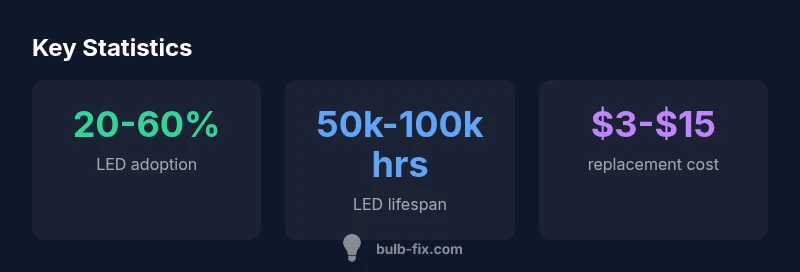
| LED brake bulb | N/A | 50,000-100,000 hours | Long-lasting; may require CAN-bus compatibility and proper heat management |
| Hybrid/Integrated LED module | N/A | 50,000+ hours | Brighter; may require professional servicing for replacements |
Got Questions?
What bulb typically powers the brake light?
Most cars use a single-filament incandescent brake bulb in the tail-light housing. Newer vehicles often deploy LED brake light modules that are part of the taillight assembly. Always confirm with the owner’s manual or a reliable guide for your specific model.
Most cars use a single incandescent brake bulb, but newer models often use LED modules inside the tail light.
How can I tell if my brake light bulb is incandescent or LED?
Inspect the bulb behind the taillight: a filament indicates incandescent, while a solid LED module suggests LED lighting. Socket design and the presence of a cluster of diodes also help differentiate the two.
Look for a filament for incandescent; LEDs appear as a cluster with no filament.
Is it safe to replace brake light bulbs myself?
Yes, with basic tools and care. Always disconnect the battery if needed, wear gloves, and follow the vehicle’s manual to avoid damaging the housing or wiring.
Yes—just be careful, disconnect power when needed, and follow the manual.
What should I do if the replacement bulb doesn’t light?
Double-check the fuse, socket contacts, and wiring for corrosion or damage. If the can-bus system signals a problem, you may need a compatible LED module or resistor.
Check fuses and wiring, and verify CAN-bus compatibility if needed.
Can I mix LED and incandescent bulbs in the same tail light?
Mixing types is not recommended because it can trigger warning signals or cause uneven brightness. Use matching bulb types per your vehicle’s specification.
Mixing is not advised; use matching types per the vehicle spec.
“Brake-light reliability is non-negotiable for road safety; always use the correct bulb type and ensure proper sealing to prevent moisture.”
Key Points
- Know your vehicle manual for the exact bulb type
- LEDs last longer but may trigger CAN-bus warnings
- Keep a spare bulb, fuses, and basic tools in the trunk
- Always test brake lights after replacement for immediate safety